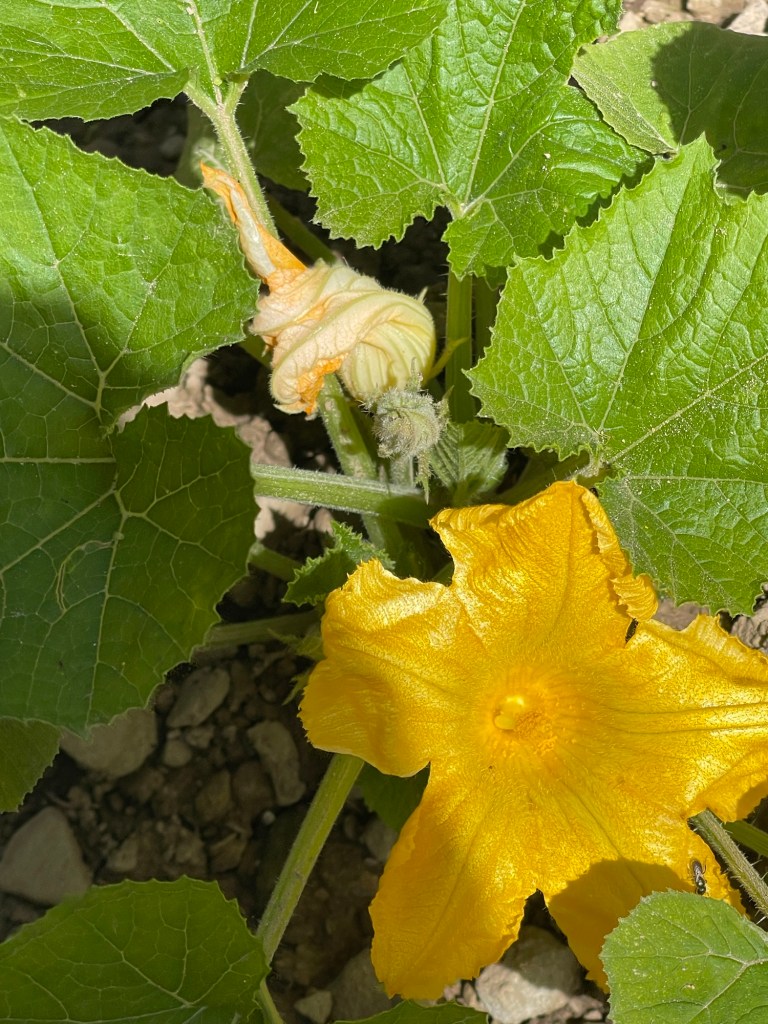
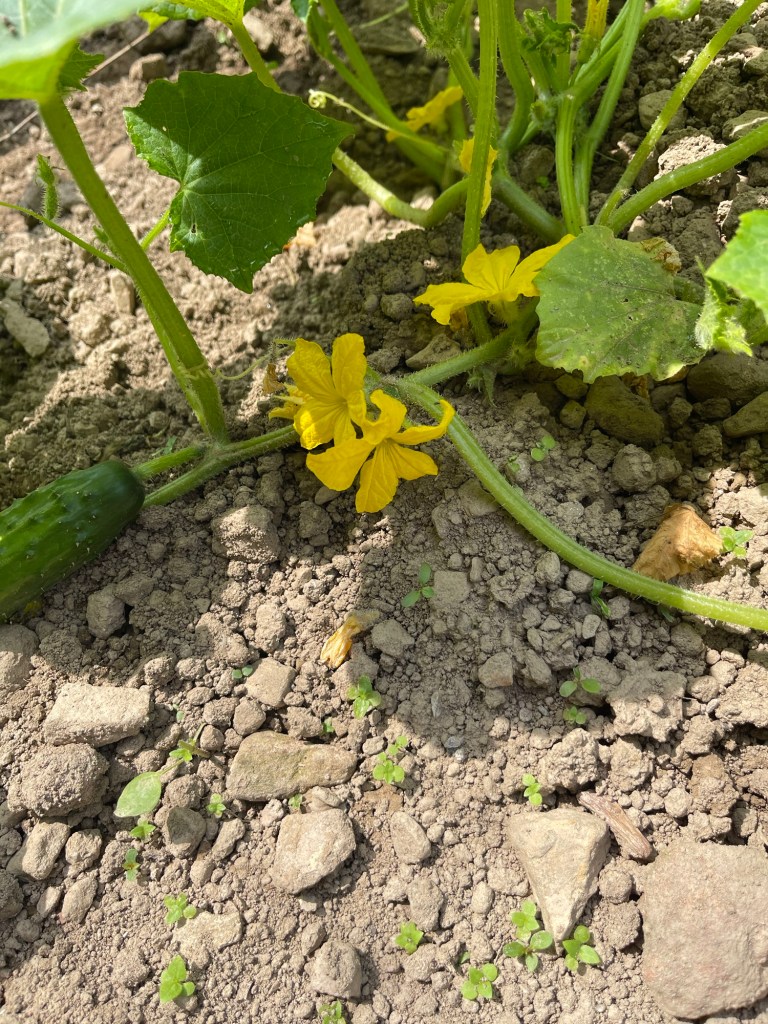
Hello from the mountains of Kentucky. I hope your week has been filled with blessings and sunshine. Life’s been busy in our neck of the woods! We finally have all our garden planted. The squash and zucchini are blooming and beginning to produce. We harvested our first two this week. The cucumber vines are running and blooming! We have our fence up and have a lot of small cucumbers on the vines. Now comes all the tilling and hoeing! But great rewards will follow!
Zucchini bloomsFirst cucumber of the season almost ready to pick!
This is the third part of my ten favorite herbs. I want to share my love and experience with chocolate mint, which is my third favorite herb post. Remember, I’m not posting in any particular order.
My chocolate mint bed.
I discovered chocolate mint about ten years ago when a friend gave me a small section she had propagated. I maintained it in a large pot in hopes it would come back the next spring. I was disappointed when it didn’t return. I could not find it at the local nurseries, so I ordered a small plant from Amazon and chose to plant it in one of my herb beds. It has thrived since then. Chocolate mint is in the peppermint family. The leaves of this wonderful mint is a deeper green than peppermint and the underside of the plant and stem is a purplish color. It is hardy in zones 3-9. The aroma is amazing!
Chocolate mint can quickly become invasive. The more it’s pruned, the thicker and bushier the plants become. If left unpruned the plants become leggy. I have had mint spring up outside the bed, in nearby pots, and even random places in the yard. If you are pruning but not harvesting, be careful with the clippings. They will sometimes take root where you discard them.
Chocolate mint makes a refreshing cold tea, by simply washing the leaves and adding them to glass of cold water. You can infuse them with an infuser or as whole leaves. It also makes excellent hot tea, especially in the winter months. Feel free to mix mints for a more bold flavor, add cinnamon for a festive tea, or just enjoy the flavor alone. It’s very refreshing.
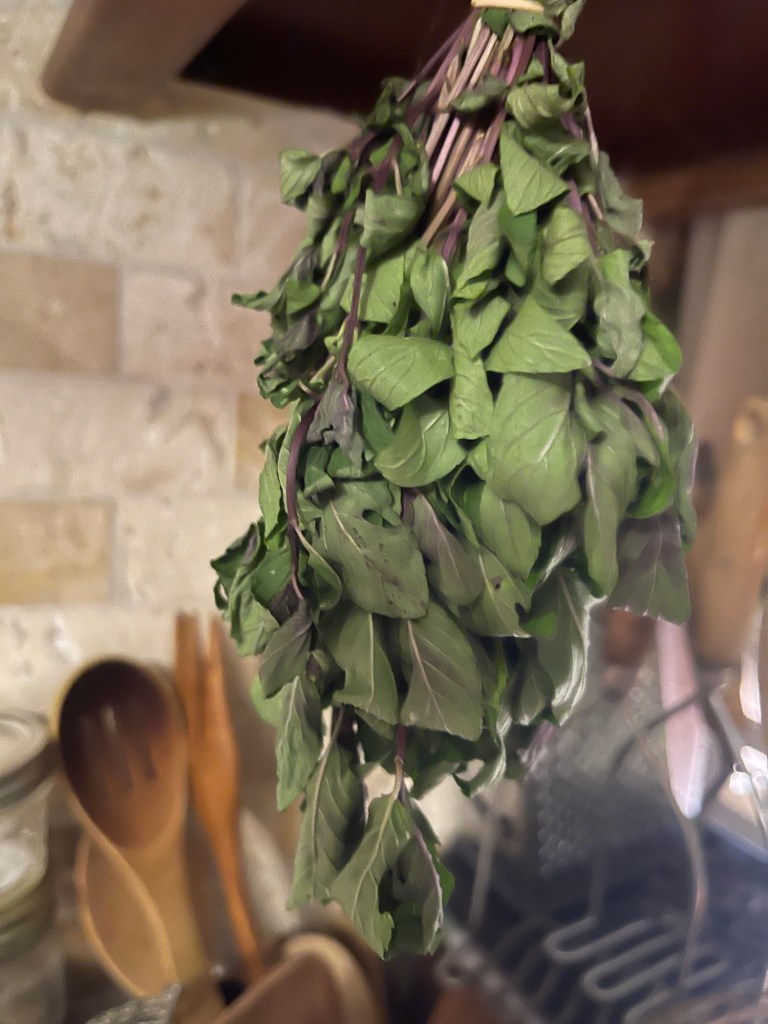
I dry my mint by clipping the plants and pruning any damaged leaves. I then wash the mint and gently pat it dry with a clean towel or unbleached paper towel. I like to hang herbs in bundles to dry. Once the mint is dry to the point of crumbling, I give it a rough grind with the mortal pestle, and add to a glass jar and place it in the cabinet away from the light. I add the dried tea leaves to a tea ball or infuser for hot and cold tea.
Chocolate mint drying in the kitchen.
The dried mint can also be ground in a spice grinder for a powdery type spice to use when making brownies, cakes, and as a fun additive to a cup of hot chocolate. The uses for this tasty mint are endless.
I just chocolate mint tea to help sooth an upset stomach, help digestion, and ease indigestion. It is also beneficial in soothing oral mouth pain, and to add antioxidants in my body. It and versatile herb that has been used for centuries. Chocolate mint has a multitude of benefits with great taste whether you enjoy it as a hot or cold tea, or as a spice.
I hope you’ve enjoyed this post. Feel free to ask a question, or leave a comment. You may follow my blog for more recipes, posts about mountain living, herbs, and gardening tips. Homesteading is a wonderful way of life that helps us to be independent, sustainable, and a way of life. God bless from the mountains of Kentucky.
Hello, from the mountains of Kentucky. It’s a beautiful day in the mountains today. The sky is clear, which I’m so thankful for. It’s been a very rainy May in our part of the world. Hard storms wreaked havoc on our mountains Sunday. Many are still without power, cable, telephone, and Internet. Ours was restored yesterday. One thing about loss of Internet… is it’s a great time to catch up on reading, writing, housework, and yard work. Today’s post is the second post of my top ten herbs. Keep in mind that these posts are not in any particular order. Check out my first post My Favorite Top Ten Herbs (part one – mint)
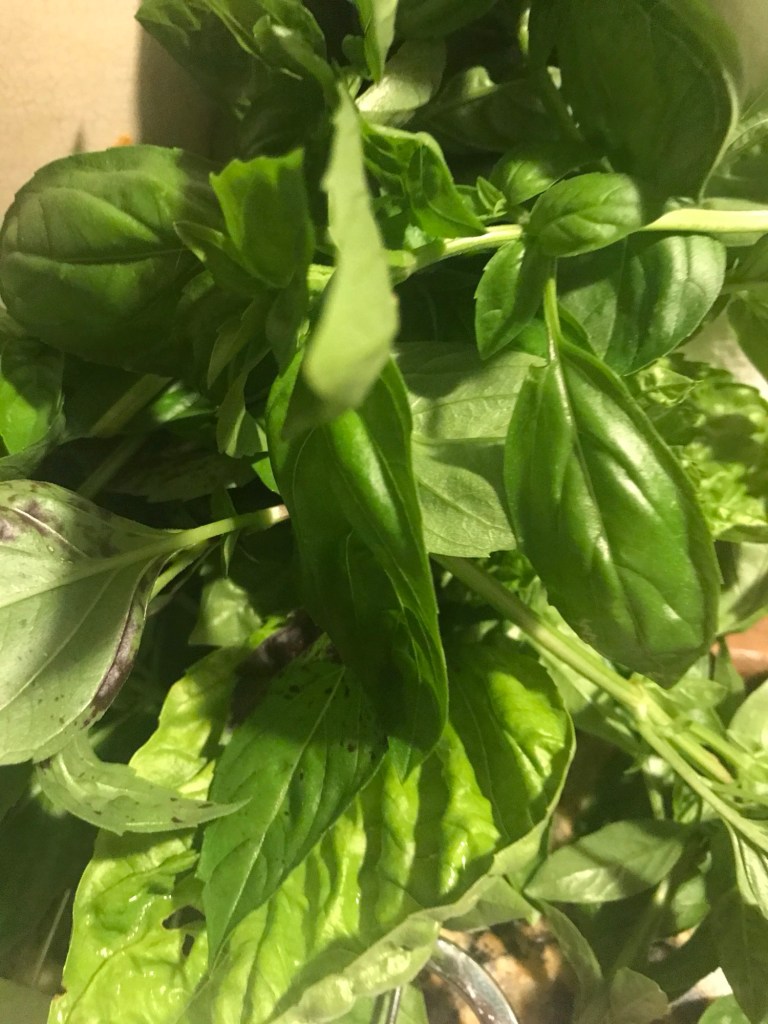
Pictured above is Italian basil
Basil is a must have for our pantry and spice cabinet. It is low maintenance, easy to grow, tastes great fresh, easy to dry for spices to use when cooking, fresh it adds wonderful flavor to dishes, makes great tortillas, makes great aioli, delicious pesto, it helps repel mosquitos, it tastes great in salads and so much more. Let’s get started!
Basil is a spicy herb that is commonly found in Italian dishes. It is actually a member of the mint family. It is a native plant of Africa and Asia. It loves plenty of sunshine, rich soil, moderate watering, and it loves to be pruned! It can tolerate some shade as well. Its wonderful taste can be identified in spaghetti sauces, pesto’s, on pizza, and in lasagna and many more delicious cuisines such as Italian tortillas. Vegan Italian Spinach Wraps. There are many types of basil. Believe it or not there are over one hundred types of basil. However, my two favorite types of basil are Genovese also known as, Italian basil it is often confused with common basil. The leaves of common basil is typically lighter than Italian basil. Another favorite of ours is lemon basil. I will address them in this post and might make a post about other types of basil at a later date.
Basil of all kinds is fairly easy to grow. It is an annual plant, which means it will need to be replanted each year if you live in a zone that has cold winters. In Kentucky, I plant basil each spring after the last frost. Don’t worry about expense. A good quality organic basil plant is only a couple of dollars. I typically purchase three to four plants per year, which is still more economical than buying fresh basil at the grocery store. One small packet of fresh basil, that may or may not be fresh, can cost nearly five dollars. I would prefer to have enough basil to enjoy fresh from spring until fall, and then harvest it for the winter.
I harvest and use it throughout the year and harvest the remaining plant before the hard frosts come to the mountains. Basil grows well in the ground, or in large pots. I prefer to plant mine in large pots within my herb garden. I also keep a pot of basil on my back porch for easy access for fresh basil. And again, it also helps deter mosquitos. Your basil will require good drainage, if you grow it in pots. I water my basil when the soil feels dry. I typically water daily when the temperatures are high. If the soil is damp, skip the watering. Over watering can be detrimental for basil. I like to add a looser potting mixture in the bottom of the pots. I enjoy caring for and growing orchids. So, I normally have an extra bag of the orchid potting mid on hand. It is a great addition to the bottom of the pot, and it helps the soil drain. I prefer to use a good quality organic potting soil for my potted herbs. If I’m going to eat them, I don’t want toxins from additives in the soil. Both lemon and Italian basil love and thrive in sunshine! I give my herbs an occasional spritz of Neem oil to prevent insects from building nests, primarily spiders, in the herbs. I also feed my herbs an occasional drink of weakened herb tea. The antioxidants are a great fertilizer. I do not add traditional fertilizer due to the additives in the fertilizer. Natural is always best!
Italian basil. Close up of lemon basil.
Again, basil likes to be pruned. Trimming your basil on a regular basis allows the basil to become fuller and less leggy and promotes lots of new growth. I also keep the blooms pinched back on my basil to help promote growth and prevent a bitter taste in the herb. If you are not harvesting to eat, basil blooms a pretty white flower that is a nice addition to a flower garden. I harvest basil throughout the season by clipping stems of leaves to add to a glass of water, much like you would flowers, for fresh basil for cooking. I usually only do this if I do not want to harvest to dry but want to prune the basil. For dying, I prune the stems, rinse well, and pat dry, then pick the leaves from the stems, and allow them to air dry on cookie sheets that are lined with white or unbleached paper towels. If i want to dry the basil by hanging it, I prune the stems, rinse, pat dry, and tie small bunches of the herbs together and hang from a drying rack or hook in my kitchen. Either way that you choose to dry basil, the aroma will fill your house. Herbs can be dried in a dehydrator, the oven, or even in an air fryer. It’s quicker, but I find that it lowers the quality of taste. Air drying is my personal preference.
Basil typically takes at least two or three weeks to completely dry. Once the basil is dry, I add the whole dried leaves, which will be much smaller than fresh leaves, to a glass jar. I prefer amber jars, but clear will work. The jars are then added to a dark corner of my spice cabinet. I add the dried basil to dishes by using a mortar and pestle to grind it as I need it. I also grind some of the leaves into a finer powder using a coffee grinder. This method of storage eliminates a step in the cooking process, but still packs great flavor. The shelf life of fresh dried basil is one to two years. I usually have almost completely eliminated my dried basil from spring to spring, especially if I make many of the spinach Italian tortillas. See the link above.
A few clippings for cooking. I’ll add them to a glass of water after removing any damaged leaves.
Both Italian and lemon basil are great for pesto’s, aioli’s, makes a nice additions to salads, great on pizza, and delicious fried for a crispy bite of deliciousness for any Italian dish, or a salad topper. I also like to add fresh basil to omelets or tofu scrambles, spaghetti, and lasagna. I find that it adds an interesting taste to fresh baked bread, especially with the addition of garlic. Lemon basil is also a great addition to Asian dishes. I will try to add the recipe that is pictured below soon.
Vegetable stir fry with basil and garden veggies.
Basil not only helps deter mosquitoes and other unwanted pests on or near the porch, but it makes a great companion in the vegetable garden to help deter pests from tomatoes, and other plants. Crushing the leaves can also act as soothing compress for bee stings.
These are only a few ways that I use basil at our house. I could write a book on basil alone. I hope to include a post soon about the other types of basil that we use on frequent basis. The smell of fresh basil is intoxicating. I love to brush my hands over the basil and enjoy the vibrant invigorating aroma.
Feel free to leave a comment or question. Check back next in upcoming days for my third herb post. Also, feel free to subscribe or follow. For now, God bless from the mountains of Kentucky!
Good morning from the mountains of Kentucky! Cold air invaded the mountains last night. It was a chilling 28 degrees when I awoke this morning. I was thankful that I had covered my ferns up last night. We have several mountain winters in March and April in Kentucky. With so many of the trees and bushes blooming early this year, it’s difficult to determine which winter it is. I’m not sure if this cold snap is redbud winter or dogwood winter. Nevertheless, hope remains as these small winters only last a day or two and then it’s mild weather again.
The smell of yesteryears lingers in the air as the garden was turned this week. The smell of fresh soil always reminds me of growing up only a few miles from where we live. Papaw plowed with a mule and plow from morning till evening. He would wipe the sweat from his brow, fan with his hat, rest a bit and return to his work. The smell of the rich dirt lingered in the air just as it does here today. The chickens are enjoying the freshly plowed ground as well. They love to scratch and search for worms in the loose dirt.
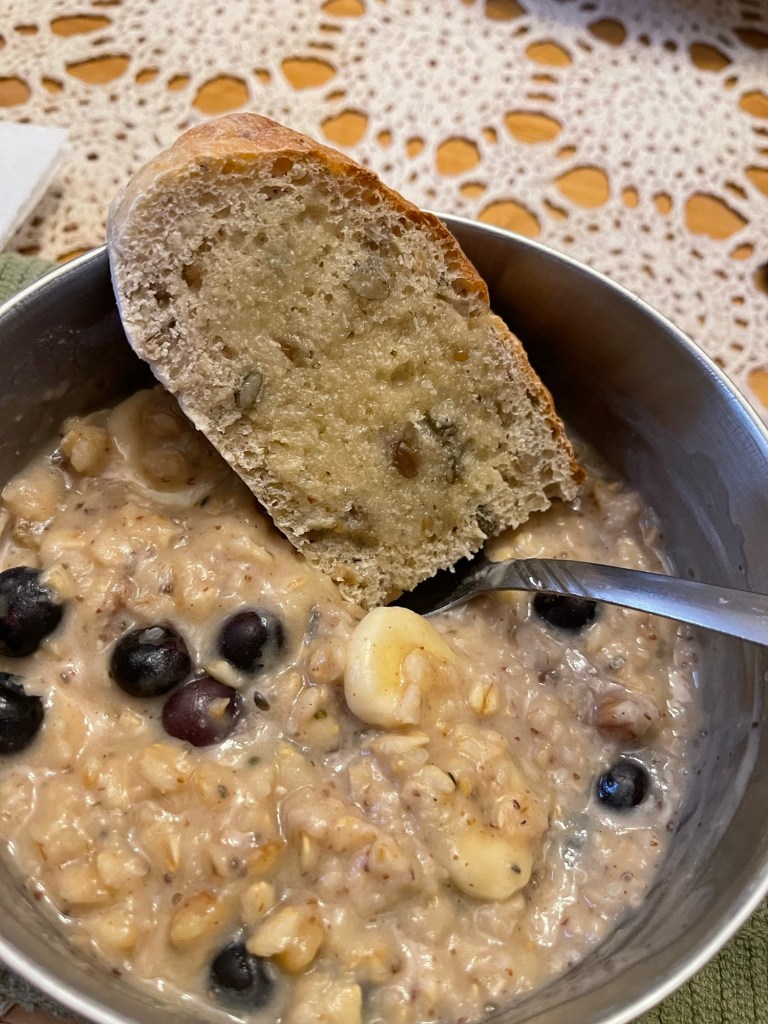
As I prepare breakfast this morning, I am reminded of eating oatmeal with my Papaw. I felt an unction to prepare a hardy bowl of oats, as he called them. I like to use a half cup organic oats, filtered water, fresh honey for the sweetening, and whatever fruit I have available. This morning I added a half of an organic banana, and some organic blueberries. I include a tablespoon of organic walnuts, a teaspoon of flaxseed, hempseed, and chia seeds. White serving I drizzle with almond milk and a tiny bit of honey. I toasted a slice of my homemade seeded bread with breakfast this morning. It’s a hard breakfast that will sustain me until late in the afternoon.
Delicious plant-based breakfast for a busy day!
I’m excited about planting this year. The manure has been spread and the first turning of the garden is complete. Seeds have been sewn in miniature green houses, and in the hydroponic garden. Fresh vegetables are a joy in the summer months. Fall is a time of harvesting and preserving for the winter months ahead. It’s not for the faint of heart, but for those who enjoy eating what they’ve grown from seed to nourish their bodies.
Spreading natural fertilizer.
Gardens can be as large or as small as you want them to be. For us, a large feeds our families all summer and sustains in the cold months. We usually have an abundance to share with neighbors, extended family, and church family. It seems the more we give to others, the more it grows.
Organic lettuce in one of the hydroponic gardens seven days after seeing the seed.
Eating healthy is a large part of being healthy. Eating organic, plant-based, and clean is a foundation for overall health. Get up and get moving! Being active helps prevent and fight many diseases that plague people across the world. Make it a point to know the ingredients in the food that you put in your body. Know the vocabulary of hidden toxic ingredients. Do your research, and start small and make changes weekly. For example, I no longer buy bread that is deemed healthy, but is it really when you can’t pronounce fourteen of the twenty seven ingredients. I choose to bake bread formy family on Saturday mornings. My recipe has four ingredients, of which one is water, and I add various organic seeds for the crunch and fiber. The following is a link to my bread recipe. It’s easy, doesn’t require an abundance of time and tastes delicious. Give Us This Day Our Daily Bread
Living a clean and holistic life is very gratifying. The rewards are great and exceeds the long days and time spent prepping, preparing, and growing, foods that nourish your body, not poisoning them a little at a time with toxic ingredients found in processed foods.
The first turning of the garden!
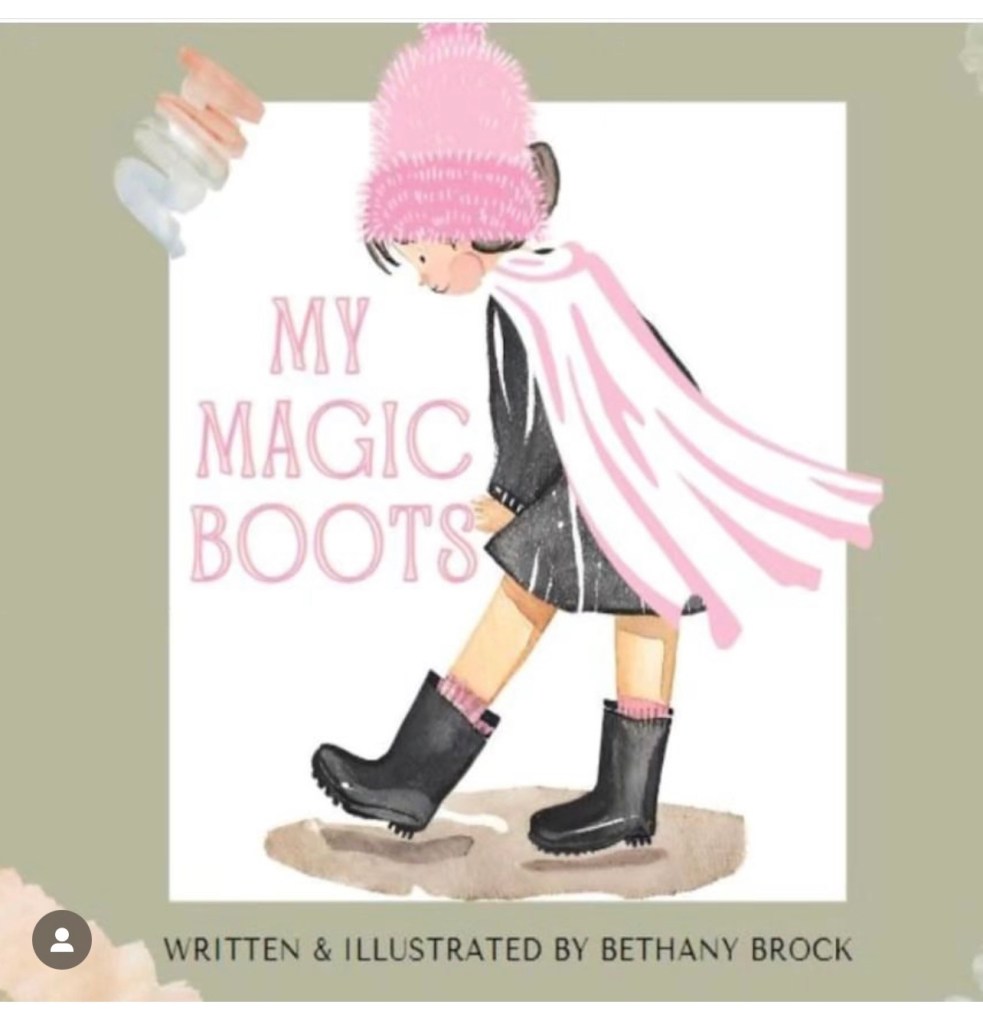
I would like close with a great book suggestion for young readers, as a read aloud, and great for the primary classroom. It is written by our daughter and it’s beautifully written and illustrated. Check the book out at the following link;
God bless from the mountains of Kentucky! May your day be filled with joy, hope, the love of Christ, and good nutritious foods that can help heal you from the inside out. Feel free to leave a comment, like, and or follow by blog for more posts on clean and holistic living.
First turning of the garden complete! Awaiting a second plowing and plants!
Hello from the mountains of Kentucky! I am super excited to share a new recipe that I have been experimenting with and finally perfected it last week. I love a good moist banana bread. I have tried several vegan recipes with little to no luck with the right amount of moisture and sweetness. This recipe fits the bill for both. It’s quick, easy, and requires minimal ingredients and those that you probably already have in your pantry. It’s also delicious with a cup of hot tea!
Ingredients:
One large overly ripe organic banana or two small overripe bananas
2 cups all purpose flour (I like King Arthur’s unbleached flour)
1/2 tsp pink organic Himalayan salt
1/2 tsp anti-caking organic baking soda
1/2 tsp organic all spice
3/4 cup organic cane sugar
1/2 cup almond milk
1 tsp good quality Non-GMO vanilla extract
1 tsp organic apple cider vinegar
1/2 cup unsweetened applesauce
1/2 cup chopped organic walnuts
Add in options can be; chocolate chips, pecans, raisins, or cranberries.
Process:
Preheat oven to 350 degrees. Spray or butter a glass 8×8 baking dish. Line it with parchment paper and then spray or butter the paper.
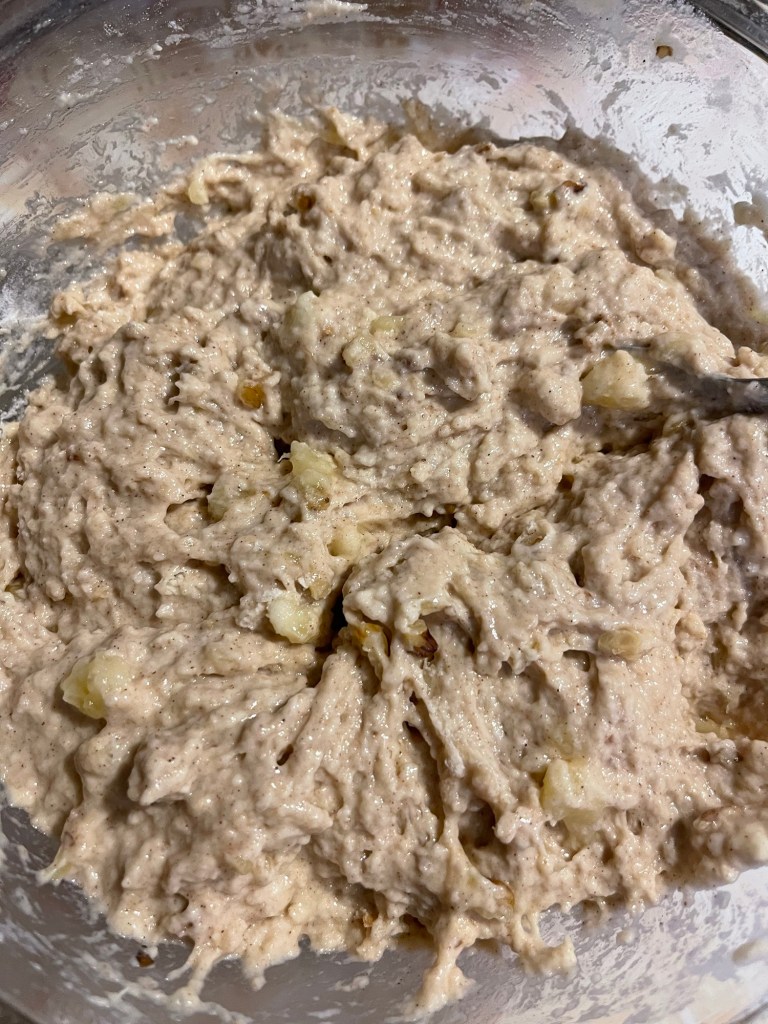
Mash the banana, vanilla, and sugar and mix well. Add salt, baking soda, flour, vinegar, and applesauce and fold the ingredients together without overmixing. Add the milk a little at a time and until the batter well. Fold in the walnuts. Add the bread mixture to the lined glass baking dish. I baked my bread for 45 minutes. I checked it at 30 minutes and determined it needed fifteen more minutes to be baked through and through.
Mixed ingredients
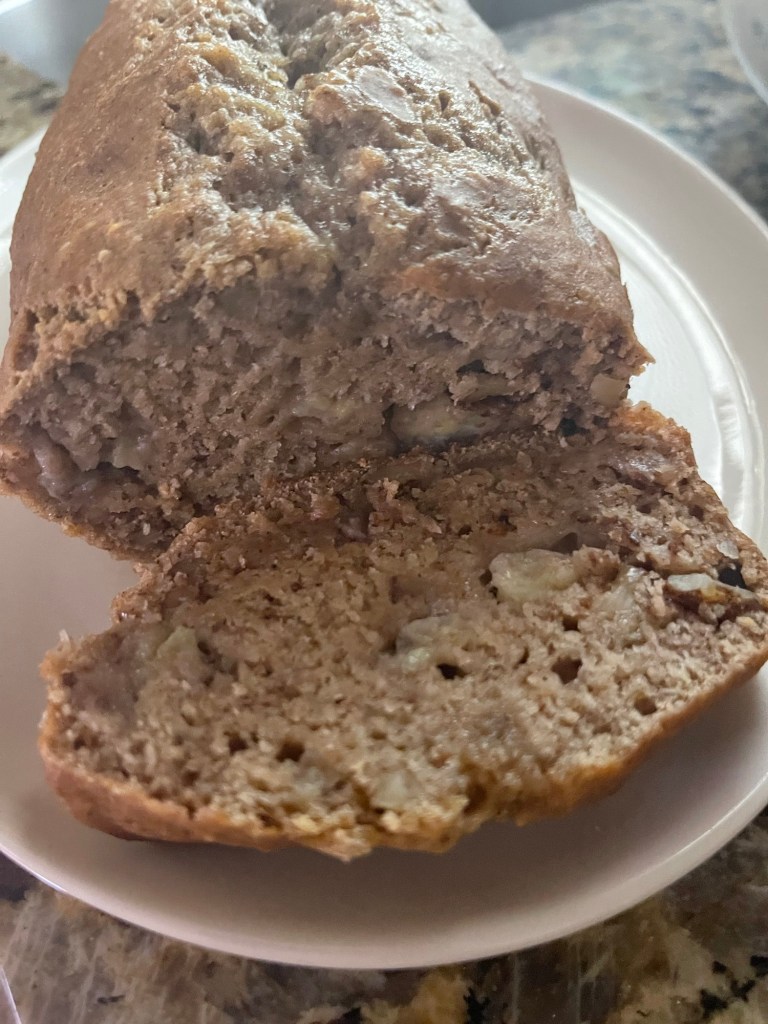
I removed my bread from the parchment paper and set it on a baking rack to cool for thirty minutes. Once the bread was cooled, I placed it in an airtight container. I have enjoyed this bread all week as a snack with my lunch, toasted for a light breakfast, and in the evenings with coffee or tea. It is tasty, moist, and not overly sweet but flavorful.
You may add more sugar or even honey for a little more sweetness. If you’re not a fan of walnuts, pecans are a great substitute. I like to toast this bread for breakfast. It’s delicious with a smear of honey or plant butter. Unsweetened dark chocolate chips are a great addition as well. Either way you eat it, as breakfast, a snack, or dessert, it’s a delicious bread.
For now, God bless from the mountains of Kentucky. Feel free to comment, like, and subscribe. I look forward to hearing from you.
Good afternoon from the mountains of Kentucky! Today feels like spring in the mountains. Easter Lillie’s are bloomed, some of the trees and bushes are budding, and I see green plants emerging through the flower bed covering. I am excited about spring as it always feels like an opportunity for new beginnings, time to plant, and time to enjoy the beautiful mountains that we are blessed with.
Summer in the mountains!
For those of you who are serious tea drinkers, and for those who enjoy a cup of tea from time time… you’ll enjoy my series, Tea Time Tuesday. It will be a reoccurring blog post that will include random topics ranging from making teas, uses of teas, to recipes that include tea in them, and occasional recipes for goodies to eat while drinking tea. I will also review books I’ve read while enjoying a cup of tea. While some posts might be simple ramblings or inspirational words. However, today’s post is about a topic that is worthy of conversation. Loose tea verses tea bags.
I’ve been an avid tea drinker for years. I like almost all flavors of teas. But, I do have a few favorites. I love a good chai tea with oat milk, and lavender. I drink peppermint tea almost every day. I like black teas and love a good chamomile tea with either honey or lavender and sometimes both. Regardless the tea I drink, I prefer loose leaf to tea bags. The tea that I grow and dry does not even compare to purchased teas, but there are times when I buy loose leaf, especially black tea and chamomile tea. So, why do I prefer loose leaf to bagged tea? Loose leaf is more flavorful, I don’t have to worry about how long it’s been shelved, I don’t have to wonder if the bags are good quality or could they be toxic. There are so many different reasons, but flavor and the ability to use a tea ball of loose leaf tea a second time, which is a great money and tea saver, especially if you purchase tea. If you don’t like a tea ball, you can always purchase organic tea bags that you can fill yourself. The organic tea bags are great for tea on the go. They store easily in my lunch bag that I carry to work.
I’m curious about your preferences. Which do you prefer bagged tea or loose leaf, and why? I would love to hear from you. For now, God bless from the mountains of Kentucky. I think I’ll enjoy a cup of tea and porch sit a little while on this beautiful spring-like day!
The leaves are beginning to turn in the mountains!
Hello, from the mountains of Kentucky. Can you feel fall in the air? Fall is one of my favorite seasons. When fall comes to the mountains, something magical happens. A carpet of beautiful foliage slowly emerges throughout the mountains. The colors are brilliant yellows, crisp oranges, and fiery reds, all mixed with hints of green lingering for a few more weeks. The foliage reminds me of my sister’s handmade quilts. My sister is a brilliant artist who creates gorgeous quilts from scrap materials of diverse colors. She is legally blind but still creates unique quilts by hand with tiny stitches. Not only is she legally blind, she is also totally colorblind. My children used to ask me if she saw things in color, just like a child to wonder. Yes, I would answer she sees in colors; she just can’t distinguish which color is which. So, her quilts come together in a stunning color scheme… just like the foliage in our mountains does in the fall.
A postage stamp quilt gifted to me by my sister. Each block is the size of an actual postage stamp!
When fall comes to the mountains, preserving and canning is usually near completion. Autumn, or fall, as we call it, is the time to go to the apple orchard to pick apples for tasty recipes, preserving, drying, and munching. We enjoyed the orchard this year as the temperature was comfortable; the crowd wasn’t as big as previous visits, and the fried apple pies were delicious. The grandkids had fun playing on the playground and games, while the adults enjoyed the atmosphere and sights. We used the apples we brought home for various dishes. Some of our favorite apple dishes during the fall include frying apples with breakfast or supper. We also peeled and dried many apples, resulting in three large containers of dehydrated apples for healthy snacks, frying, cakes, or pies. Nothing went to waste. We used all the apples, even down to the peels and cores, which the chickens enjoyed as a fall treat.
Picking applesGrandkids having fun at the orchard.
Seed saving is a common tradition within the mountains. Fall is the perfect time to save vegetable, fruit, herb, and flower seeds. The late-bearing acorn squash and peppers are the only vegetables left to be picked. We have a remnant of beans hanging on the fences drying to be used for seed next year. When collecting seeds, it is essential to use sources from plants that are healthy and produce the best vegetation or fruit. We collected seeds from the remaining vegetables and placed them on cheesecloth or white paper towels to dry. Once the seeds are dry, we put them in envelopes for storage. We recognize some sources in recycled brown jars/bottles containing organic vitamins. This is a brilliant method of recycling as well. Also, be sure to label your seeds to identify them when you’re ready to plant.
My seed box.
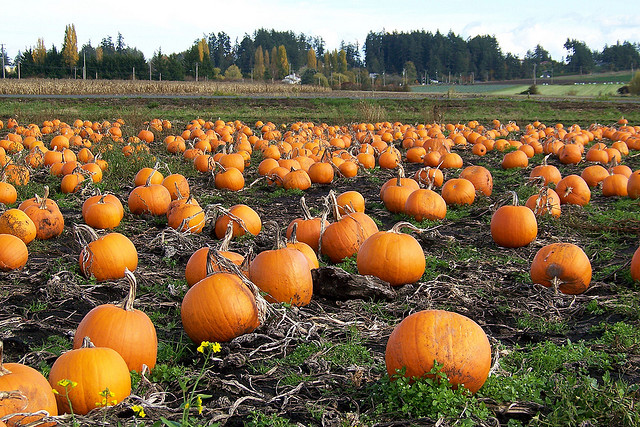
When fall comes to the mountains, so do pumpkins! Children and adults alike enjoy trips to the pumpkin patch to pick pumpkins, enjoy pumpkin treats, and enjoy the beauty of the mountains. Pumpkin spices and flavors are prominent in restaurants, store shelves, coffee shops, and more. Pumpkin spice is a favorite in the mountains. Many mountain families love pumpkin-flavored treats like coffee, pie, bread, butter, and cookies.
A trip to the pumpkin patch is always fun!
When fall comes to the mountains, it’s a time for family gatherings, cookouts, dinners, and a time to socialize and relax away from the world’s cares. Mountain cookouts usually have hot dogs, hamburgers, vegan burgers, marshmallows, chips, and some sides.. This is also a perfect time to include pumpkin cookies or pumpkin bread. Cookouts in the mountains are about the food and the socialization! Sitting by the campfire with loved ones, roasting marshmallows and sharing stories is the best way to enjoy fall in the Appalachian Mountains.
And finally, when fall comes to the mountains, it’s time to prepare for Thanksgiving and Christmas. Thanksgiving in the mountains is a time for family to come together for the day. Each person typically brings a side-dish to menu and everyone gathers at one house, which is typically my house. I love when all our family gathers together to relax with appetizers that consist of; my traditional cheese ball, peanut butter and chocolate buckeye candy, dips with chips, and of course banana and or pumpkin bread. We load Thanksgiving dinner with good food. Dinner usually includes the traditional dishes of turkey, usually prepared two ways. We roast one turkey in the oven and we smoke a second turkey outside in the smoker. A ham is prepared and complete with brown sugar and pineapples. The side dishes usually include mashed potatoes, green beans, fried corn, homemade cornbread stuffing/dressing, brown gravy, sweet potato casserole, and more. It’s a smorgasbord! A literal feast. Family members can be found eating around the dining room table and in the kitchen. We add tables for kids in the family room. After the dinner, dessert is available for those who have room, and those who do not! Dessert typically consists of peach cobbler, Butterfinger delight, carrot cake, cherry cheesecake, and other delicious recipes that family brings with them. Football can be found on the television and often-times, one of our favorite Christmas movies… The Christmas Story is on 24/7 on Thanksgiving and on one of the televisions. It’s also a time that most of the females are bargain shopping as the black Friday sales have begun! But, the best part of the day is the heartfelt prayer that is prayed before the meal begins, and the socializing during dinner and after. It’s a wonderful to catch up on what has been going on in the lives of our family.
When fall comes to the mountains of Kentucky… it’s more than the beautiful scenery. Fall is a time of hard work as we can preserve and clean up the garden. It’s a time of gathering seeds for the following year. Fall is a time of fellowship with friends, our church family, and our family. Fall is a time for campfires, holiday meals, and winter transition.
Late fall last year in the mountains!
I hope you’ve enjoyed this post and a little time in our small corner of the world. Feel free to follow and or comment. Get ready! I have an outstanding sweet potato recipe that I will post in a few days. You can prepare this cake vegan or non-vegan. It’s delicious. Well, let me give you a sneak peek at the cake!
Sweet potato pound cake… recipe coming soon!
For now, God bless, and happy fall from the mountains of Kentucky!
Good evening, from the mountains of Kentucky! I hope you are having a great start to your week! It’s a hot week in the mountains with temperatures soaring into the nineties. I don’t mind it. I’m savoring the last weeks of summer. With that being said, with the lingering days of summer vanishing swiftly, also comes the final rounds of canning. We have worked to stock and restock our pantry and canned goods from the harvest of our garden. Even though I wasn’t able to do much of the planting because of my hip replacement in June, I have enjoyed the labor of harvesting and canning. Let me say this: God is so good. He has truly been with me literally every step of my recovery. I am so thankful for how well I have progressed. I give Him all the glory for it. Now, to delve deeper into canning vegetable soup.
Recently, I decided I would use the lingering remnants of leftovers in our fridge and turn them into a savory vegan vegetable beef soup. You could easily change this recipe to be vegetable beef soup with real beef.
Vegan vegetable beef simmering on the stove.
Recipeingredients:
One bag of your choice of plant-based beef crumbles. I used a bag of Ultimate Beef pieces.
Half of a yellow onion
One small bell pepper of choice
One tablespoon minced garlic or fresh garlic
One cup of fresh diced tomatoes or organic canned diced tomatoes
One cup of organic vegetable broth
One tablespoon of organic extra virgin olive oil
Two cups of freshly cooked green beans or one can of organic green beans
One cup of fresh corn or one can of organic corn
One cup of frozen organic peas or one can of organic sweet peas
Four medium-size potatoes
One cup of fresh carrots or one can of organic carrots
One quart of freshly canned tomato juice or two-three cups of organic canned juice
Process:
If you are using beef, brown the beef and drain. If you are using vegan meatless meat, you can add to the onions and peppers while they are simmering.
Peel and cut potatoes to desired size. Add potatoes to saucepan of water with a pinch of salt and oil. Cook potatoes until the cut easily with fork or knife. If you’re using fresh carrots, you may either peel, slice and steam them, or cook them with the potatoes. Set potatoes aside.
Add a tablespoon of extra virgin olive oil to a large stock pot. I prefer cast iron to Teflon. Heat on low and add diced onions and peppers. Season with salt and pepper. Allow onions and peppers to become slightly translucent. Add drained beef or vegan meat and stir. I like to add a little extra seasoning at this stage to build flavor. I use a little cumin, paprika, salt, pepper, and turmeric. These are optional. After mixture is mixed well, add diced tomatoes. Drain potatoes and carrots and add to soup mixture. Stir in additional veggies to the soup mixture. Taste to season and add tomato juice. Allow soup to come to a soft boil, then reduce to low and simmer for two hours.
This soup is great served with crackers, cornbread, grilled cheese or vegan grilled cheese. Now to the canning process!
Sterilize jars, rings, and flats. Add warm soup to pint jars. This can be done in the dishwasher or by boiling them in the canne
add water to canner and warm on medium heat. Place canning funnel over pint jar, ladle warm soup into jars. Leave at least a half for head space. I like to wipe the rim of the jar, flat, and ring with a clean dish cloth or paper towel dipped in vinegar before sealing. This helps guard against possible bacteria. Place warm jars of soup in the canner and allow the water to come to a boil. When the water comes to a hard boil set the timer for thirty minutes.
when the time exhausts, turn the stove off and allow the water to simmer for about ten minutes. Remove the jars with the jar lifter. Set the jars on a dry folder to cool. As the jars cool, you should hear the coveted ping ensuring you that the jars are sealed! After the jars have cooled add the date to the lid.
This soup should have a shelf life for 18-24 months. Maybe longer! I’ve never found out as it usually lasts at my house for 10-11 months and it’s gone! This is a great soup to take along as lunch at work, if you have access to a microwave or one of the lunch size crock pots. It’s great for those nights when you don’t feel like cooking. It’s great served with cornbread or crackers. I personally love it with a vegan grilled cheese sandwich. You be the desired!
Don’t forget to add the date to the lids!
I hope you enjoy this soup as much as we do. Feel free to leave a comment or ask a question. As always, feel free to follow for more recipes and canning ideas. For now, God bless from the mountains of Kentucky! Thank you for stopping by my blog! Every reader is appreciated!
Hello, from the mountains of Kentucky. It’s been a bit stormy here today. Days like today make me want to curl up with a good book and read all day. In reality, that isn’t always possible, especially with the academic year about to begin. Our first day back on campus is only a couple of weeks away. Where did summer go?
With the abundance of cucumbers that it seems everyone has been blessed with this summer, I thought I should share my dill pickle recipe. Who doesn’t like a crispy dill pickle on their sandwich or on the side? Dills are great in potato salad, salads, on burgers, and I especially like them on a vegan chicken sandwich.
Ingredients:
4-5 pounds of pickling cucumbers 8 teaspoons of dill seeds 4 teaspoons of mustard seeds 5 cloves of whole garlic 8 teaspoons of whole peppercorns 4 cups of water 3 cups of white vinegar (5% acidity) 4 tablespoons of pickling salt or kosher salt 4 tablespoons of white sugar 8 teaspoons of pickle crisp 8 sprigs of fresh dill
Tools:
Water bath canner Jar lifter funnel Measuring cup Pint jars, rings, and flats A large stock pot
Process:
1. Boil jars, flats, and rings to sterilize them and also to safeguard your pickles from bacteria. Next, prepare your cucumbers by washing them. I like to scrub them to remove the sticky little ends of the skins. This also makes the skin of the cucumber smoother. Trim the ends of the cucumbers. Make sure to remove the flowering end. This end of the cucumber contains an enzyme that can soften the cucumber over time.
2. Prepare the brine by adding sugar, salt, and vinegar to the stockpot and bring to a slow boil. While you wait for the brine to boil, combine the pickling spices and add them in equal parts to the jars. Do not add the pickle crip to the spices. Add a sprig of fresh dill to each jar then add your cucumbers. You can slice them in either direction or slice them into spears. They’re also good as whole pickles, especially if the cucumbers are small ones.
3. Keep an eye on your brine. Once the salt and sugar have dissolved, place the funnel in the jars and pour the hot brine over the cucumbers, leaving at least a half inch from the rim. Add a teaspoon of pickle crip to each jar. Wipe the rims to ensure the rims with a dry cloth or paper towel. Add the flat and ring, but not too tight.
4. Add the jars to the canner and add warm water until the water is at least an inch or two above the jar lids. Slowly bring the water in the canner to a boil. Boil for ten minutes. Turn the stove off and leave the jars until the water settles down and then remove the jars with the jar lifter. Place the jars on a dry folded towel on a flat surface and wait for the sounds of the pinging jars to seal. Once the jars have cooled, add the date to the lids.
This recipe typically makes eight pints of pickles x. You can double the ingredients for quarts or for more pints. The projected shelf life of the pickle is typically one to two years. However, I have opened a jar beyond this timeframe and the pickles were still great. One of the keys to a longer shelf life is to ensure the vinegar is at least 5% acidity.
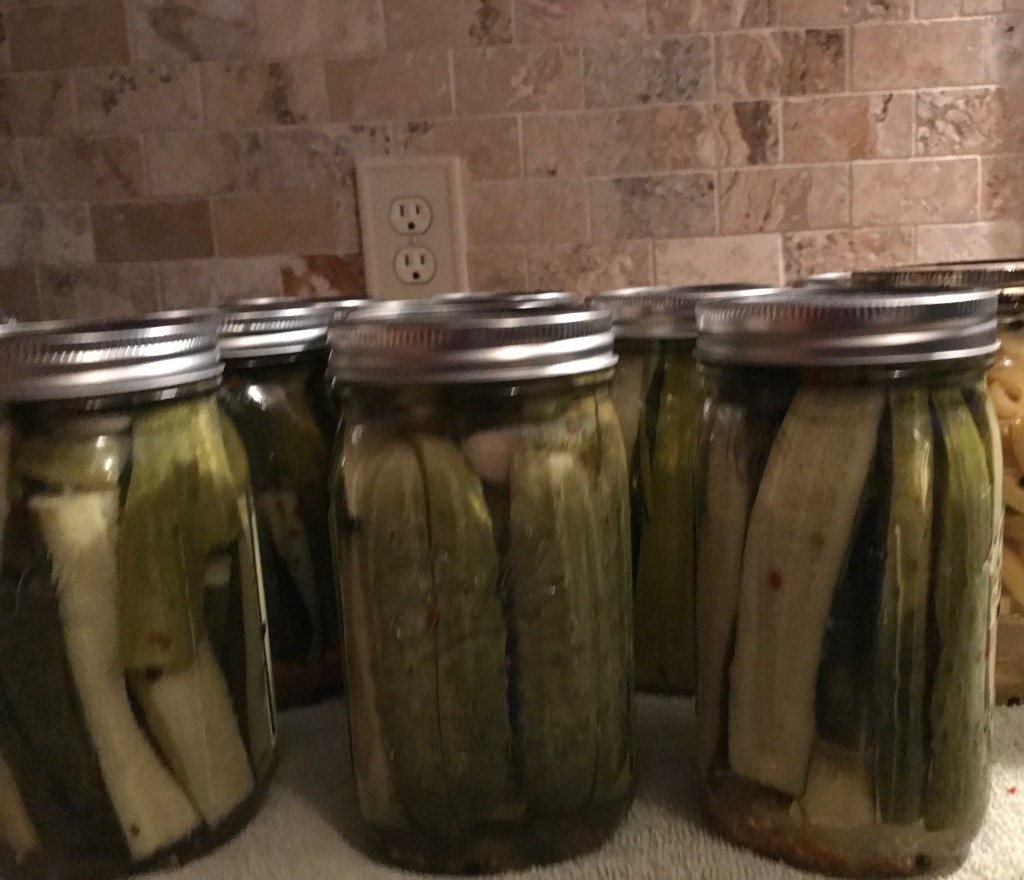
This is a pictures of sliced dill pickles in quart jars.
I hope you and your family love this recipe as much as we do. As always, feel free to follow or comment. For now, God bless, from the mountains of Kentucky.
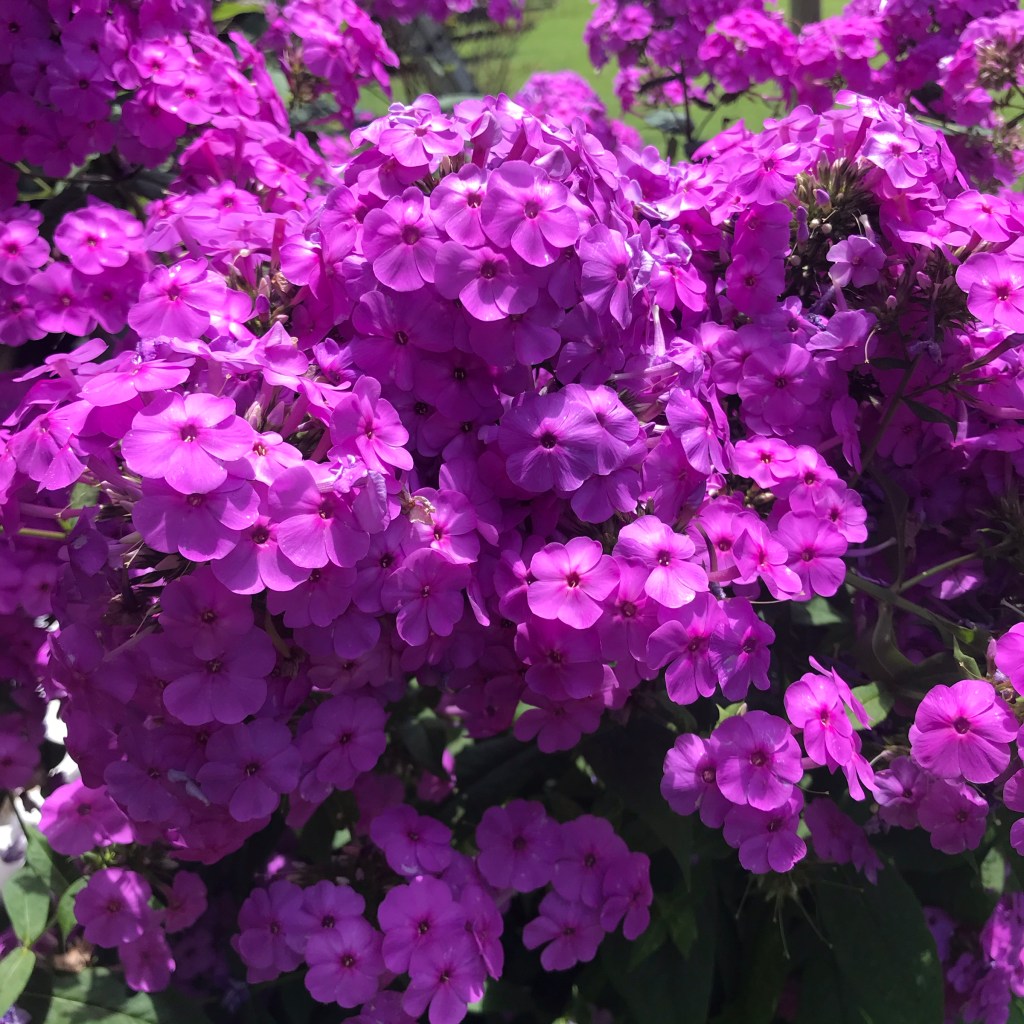
Hello, from the Mountains of Kentucky! The heatwave continues in the mountains today! Dry and hot, yet beautiful! We all know what else comes with summer temperatures. Yes, that’s it! Bees! I’m not allergic to bee stings like our grandson is, but I certainly do not like the pain from those pesky things. To be so small, their stings can pack a punch!
Our beautiful flocks! Butterflies love them, but so do bees!
While watering my flowers this morning, wasps, or as we call them, waspers, were swarming the flocks. I thought as I always do, if I don’t bother them they won’t bother me. Wrong! As I left the flower bed a red wasp decided to make a plunge for my hair. My first instinct was to swish my hair back and forth to encourage it to leave. It left! But, it came back with a vengeance. I returned and stung me on the shoulder through the sleeve of my shirt. Ouch!!
Lavender and basil. Crushed basil leaves helps soothe a sting.
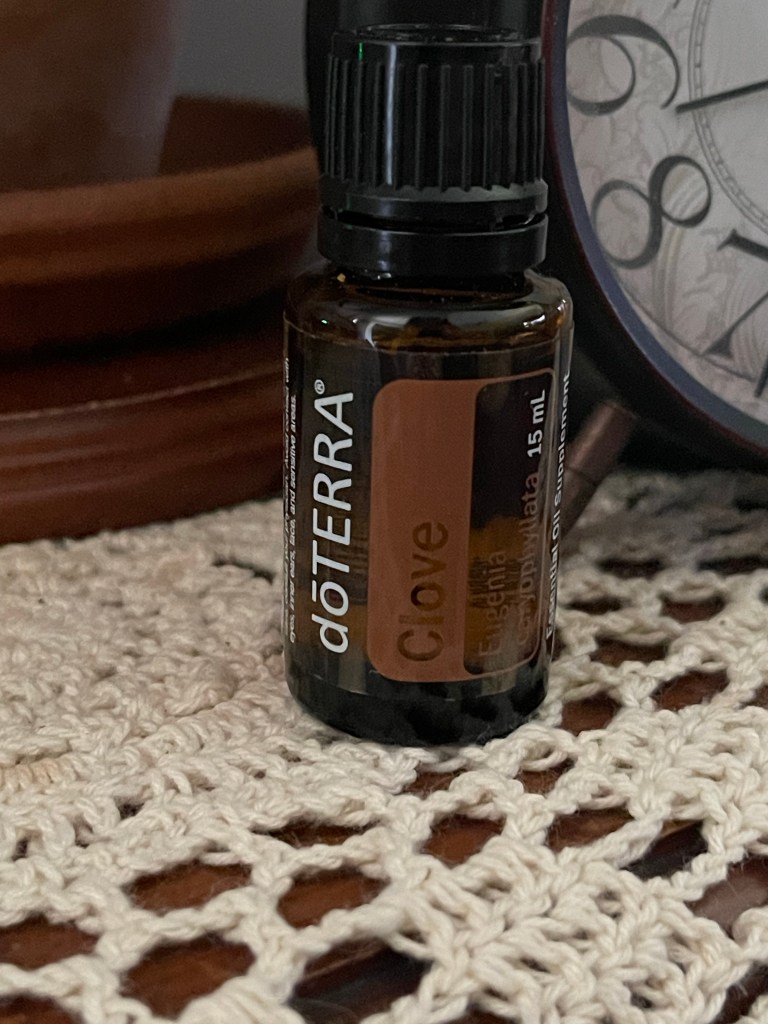
Once inside, I grabbed a roller ball of lavender and rolled it on the sting to sooth it. I had just finished drinking a cup of black so I grabbed a soaked tea bag and held it on the sting to draw the poison out. As the sting started soothing, I made my way to my apothecary chest to retrieve the purify essential oil, which acts as an antiseptic and massaged a few drops directly on and around the sting. Once it dried, I added a few drops of clove essential oil that acted as a numbing agent. It numbed the bee sting and the area around it. With the mix of essential oils, the organic tea bag, and a whispered prayer, relief came to affected area.
My apothecary chest that housed my essential oils and teas.
I am a firm believer in herbs, essential oils, and teas as well as prayer. I prefer natural methods of treatment rather than over the counter medicines. God created all living things and with that He provides us with an abundance of resources all around us. It’s a good idea to keep a few essential oils in a convenient place. I always keep a few essential essential oils in my purse and a couple of tea bags when we’re away from home, for bee stings, minor headaches, scrapes, or an upset stomach.
I look forward to sharing more tips that I have found helpful for using essential oils, herbs, and teas for minor ailments. I hope that this post will be beneficial to you and your family. Also, remember, those who are severely allergic to bee stings might find this method to help soothe stings until they can be seen by a physician or use an epipen.
Clove is a versatile oil that smells wonderful and helps numb bee stings.
Blessings from our home to yours! As always feel free to leave a message and or click follow to subscribe to my blog.
Hebrews 6:7 For the earth which drinketh in the rain that cometh oft upon it, and bringeth forth herbs meet for them by whom it is dressed, receiveth blessing from God
Hello, from the mountains of Kentucky. Quick update on my recovery; Tuesday was week four since I had a total hip replacement. Let me say how good God is. I never encountered the pain that I was told I would have after surgery. Pain medicine was not required, for which I was happy. I don’t like to take medicines due to their negative side-effects on my body. I am in week four of physical therapy and walking without any assistance. I have exceeded the expectations of my surgeon and my therapist. Praise God, I feel better than I’ve felt in several years. I am resuming daily walking, a high-plant-protein diet, and loving time working in my herb garden. I am not yet working in the vegetable garden due to not being released to bend deeply or kneel. But, I have been canning! I should be ready to work in the garden when it’s harvest time. God is so good and He is ever-present. Now, onto the post! I just couldn’t help but brag about our God.
Fresh basil, oregano, and rosemary clipper today..
I’ve been cutting and harvesting herbs this morning and now I have a 1/4 bushel of peaches facing me. So, what do you do when you have this yummy fruit. The answer is to preserve for those cold winter days when the fruit-bearing season is over. I like to freeze peaches in small servings for oatmeal, as a healthy side of fruit, and for a quick serving of sorbet. But, today, I am planning for the uncertain days that lie ahead of us. With the prices of food in the grocery store, it’s a treat to walk downstairs and select home-canned food for supper and fresh canned peaches for a sweet treat. Now, let’s can those peaches!
Fresh peaches ready for canning!
Ingredients for Light Peaches:
1/4 quarter of fresh peaches
12 cups of water (bottled or filtered water is best)
2 cup of organic cane sugar (you may substitute with white sugar or honey)
Tools for Canning:
Stove Top Water Bath Canner
7-quart jars with rings and flats
Jar lifters to remove jars from the canner.
Canning funnel to make filling jars easier.
Stainless steel ladle for adding the simple syrup to jars.
Process:
Boiling jars, rings, and flats ensure safe canning.
Boil jars, rings, and flats and set aside. Mix the water and sugar in a stainless steel cooker. I have gotten away from all non-stick cookware and prefer stainless, glass, or cast iron. Place over medium heat and bring to a slow soft boil.
Peel the peaches and slice them to your preferred thickness. Add the peach slices to the clean jars not filling them. I like to leave room for more syrup. Place the canning funnel in the mouth of the jar and ladle the simple syrup into the jars leaving at least an inch space at the top. Wipe the rims thoroughly and place the sterilized flats and rings on the jars. Don’t tighten the rings too tight. Add hot water to the canner and place on top of the stove on medium to high heat. Place the jars in the canner. Make sure the water is at least an inch above the sealed jars. Slowly bring the water in the canner to a boil. When the water begins boiling set your timer for 25 minutes.
We don’t fill the jars to the top to allow for more syrup. Adding the simple syrup!
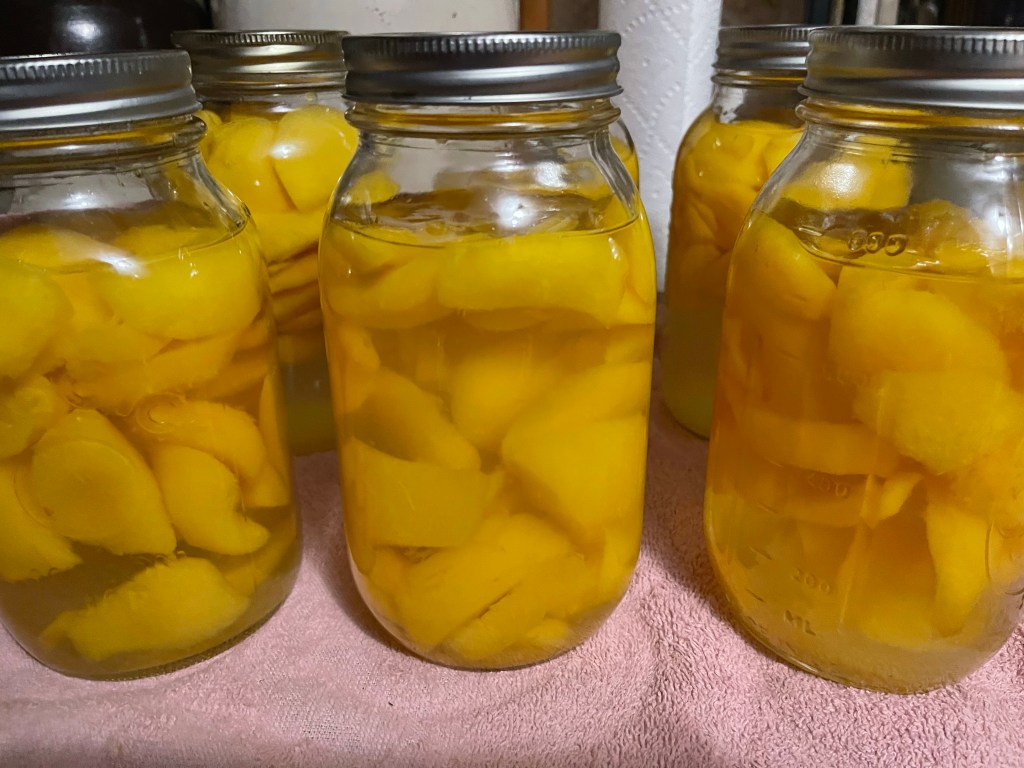
When the twenty-five minutes have exhausted, turn the stove off. Leave the peaches in the water for five to six minutes allowing the water to stop boiling. Using the jar lifters, carefully remove the jars of peaches from the canner. I like to place my jars on a folded towel on the counter. You should begin to hear the jars making that pinging sound to let you know the jars have sealed. Once the jars have cooled add the date to the flat with a permanent marker. After the jars have completely cooled, add the beautiful fruit to your pantry shelves. Don’t worry if your peaches have floated to the top. They’re still delicious, this happens when you do not pre-cook the peaches (raw pack) before canning them. Raw packing peaches is the easiest method of canning and does not require you to handle hot peaches. The shelf life is typically 12-18 months. I have found that the shelf life of this type raw packed peaches has lasted for two years, if the jars of peaches last that long. I also like to peel them and freeze them! Either way, results in delicious peaches year around.
Seven quarts of deliciousness!
I hope that you have enjoyed this post and will enjoy my method of preserving peaches during this uncertain time of the rise in prices and in some cases the lack of food on the shelves in many grocery stores. Canning your own food is one of the most rewarding experiences and benefits that you can encounter. If this is your first time canning and or preserving, stay the course, chin up, there will be failures and there will be successes, we’ve all experienced them both. Trust me, the good outweighs the bad. When the snow is flying, you’ll have delicious home-grown food awaiting you in your pantry.
God bless from the mountains of Kentucky. As always, feel free to follow my blog, and know that your comments are always welcome.
John 1:1 King James Version 1 In thebeginning was the Word, and the Word was with God, and the Word was God.























 A Healthier Me...Homesteading Simple & Clean