Hello, from our homestead in the mountains. Spring is so close I feel like we could almost reach out and touch it! I don’t know about you, but it’s been a pretty rough winter here. We’ve gone from snow, to spring like temperatures,to flooding, to ice and snow, back to massive flooding, and snow again. But the good news is spring is less than month away! That and planning for our vegetable and herb garden helps make the lingering days of winter tolerable. Not to mention, a lot of reading and crocheting.
I was recently interviewed about our homestead. Many questions were asked about wby, what does it take, what advice can I give, and many more. I was a little surprised at the misconceptions that many people have about homesteading. That interview helped inspire this post. I am excited to bring to you ten skills that we use on our homestead in everyday life. These are skills that have been handed down from generations past, learned from fellow-homesteaders, and some we learned ourselves through trial and error.
Gardening is a plus for homesteaders. Having your own garden can eliminate or decrease buying from farmer’s markets, farms, or grocery stores. Don’t get me wrong, we love to shop our local farmer’s market for produce that we don’t grow. We buy some things from the grocery, but not to the extent we would buy if we did not have a garden. Gardens can be overwhelming for some and some may not have room for a large garden. I know some people who raise a large amount of produce for their families. Follow our blog and head over to our podcast, Homesteading in the Mountains, on Apple Podcasts for a tips, ideas, and gardening posts.

Saving seeds has been a part of homesteading in our family as long as I can remember. I recall my grandparents shelling bean seed and many other types of seeds to dry for the next season. That tradition has been handed down through the generations to me. Saving bean seeds, seed potatoes, tomato and cucumber seeds mean we do not have to buy seeds, we know how the plants were grown where the seeds originated from, saves money, and ensures we have seeds for the next season.

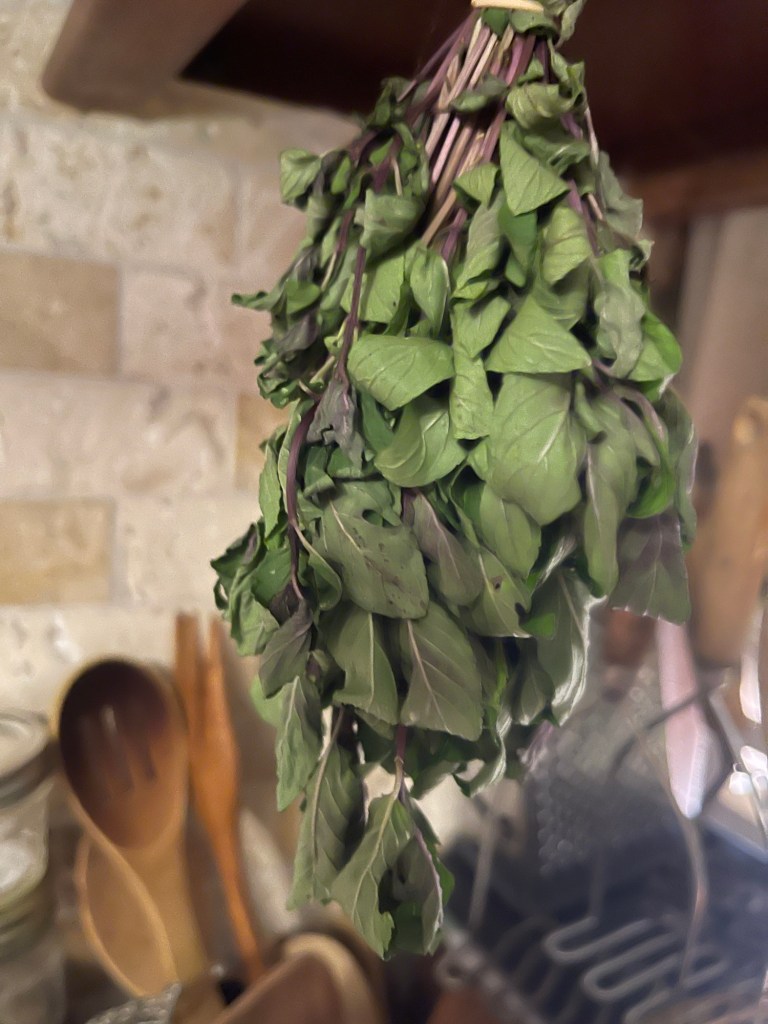
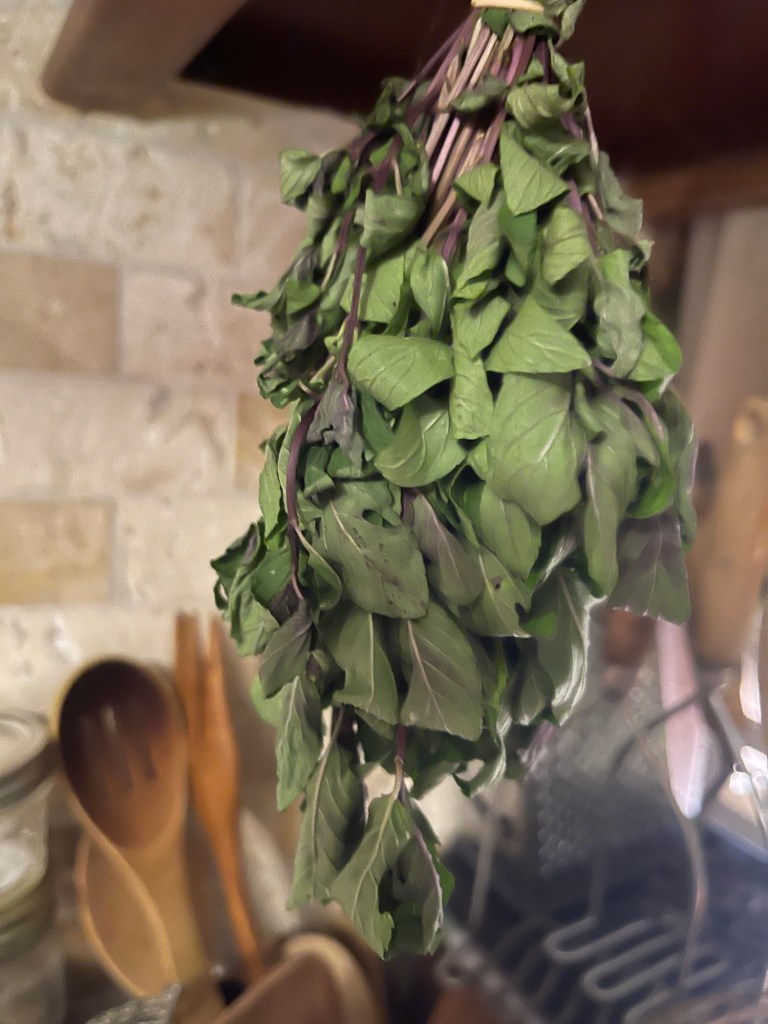
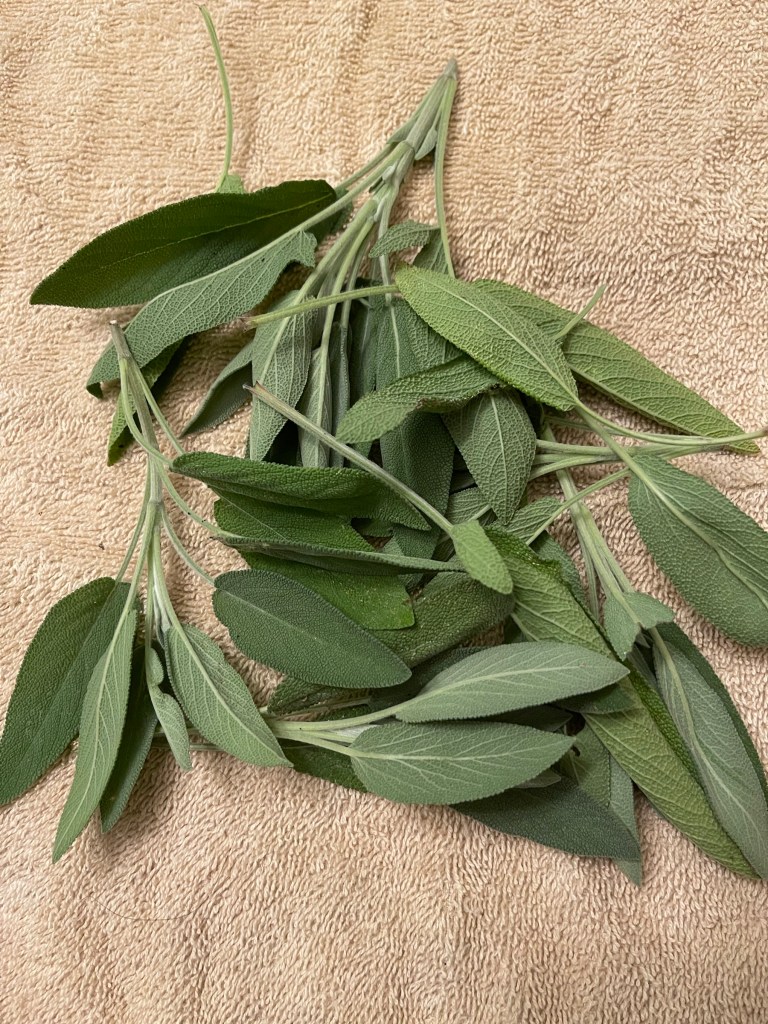
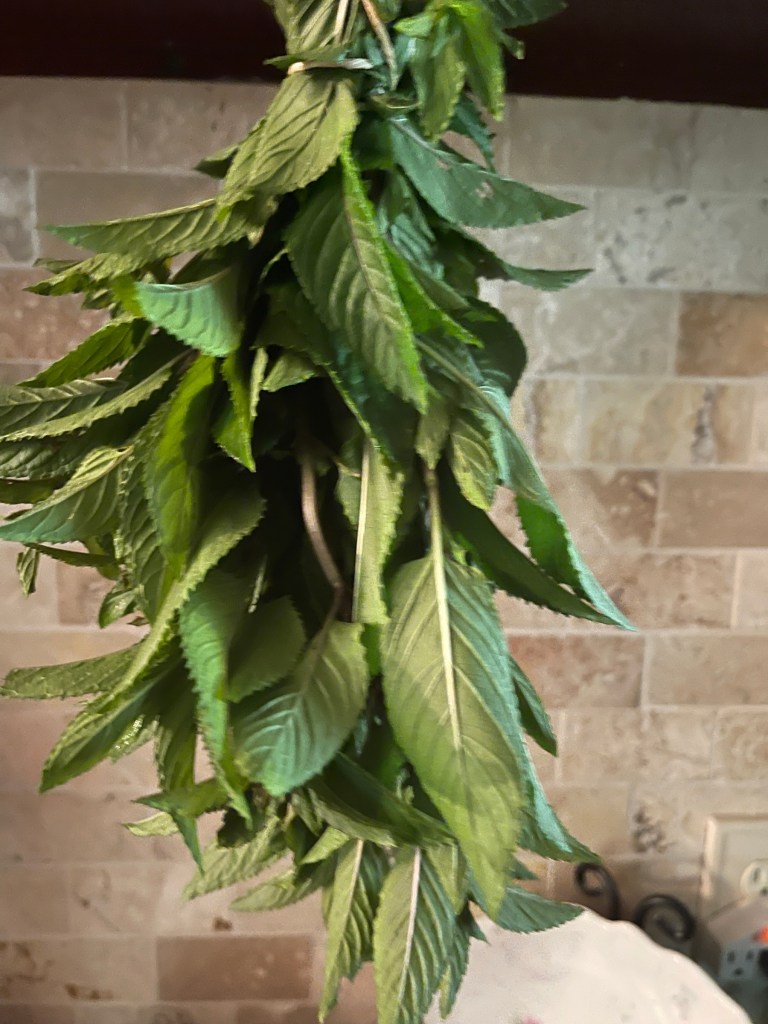
Herbs are my favorite! I love working in our raised herb beds. We grow lots of basil, chives, oregano, thyme, lavender, bee balm, echinacea, Mullein, yarrow, peppermint, chocolate mint, strawberry mint, spearmint, lemon balm, and more. Do you have to grow this many different herbs? The answer is no. Grow what you will use and what you like. I use our herbs to make spices for culinary purposes and many of them for teas, while other herbs are used for balms, herb and oil-infused oils for a medicinal and cooking. We also use them for wide-variety of medical rubs, cleaning supplies, and repurpose them for compost and fertilizer. I love to gift herbs and teas as well. Follow our blog and podcast for more information. My Favorite Top Ten Herbs (Chocolate Mint part 3) This is one of many links to posts about our herbs. Herbs have the ability to make food taste better, makes great teas, and can be used for many medicinal purposes.

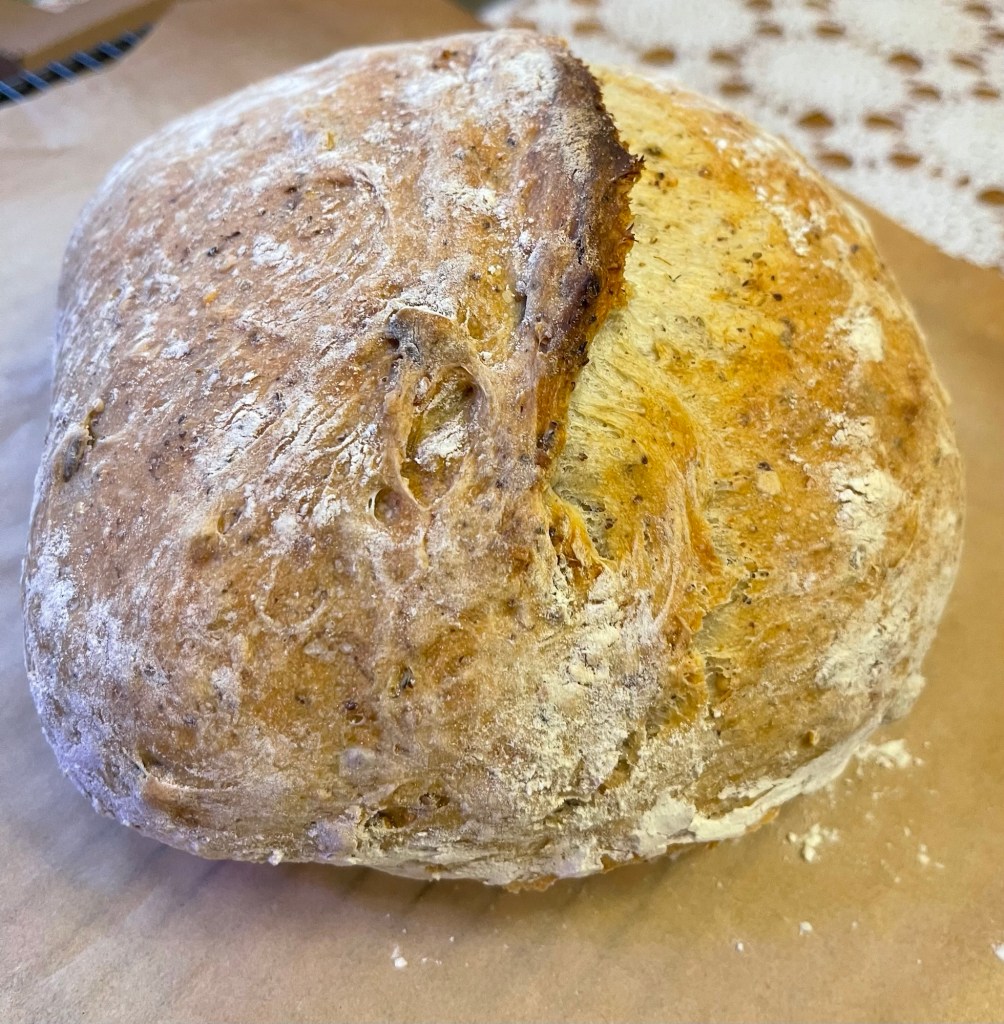
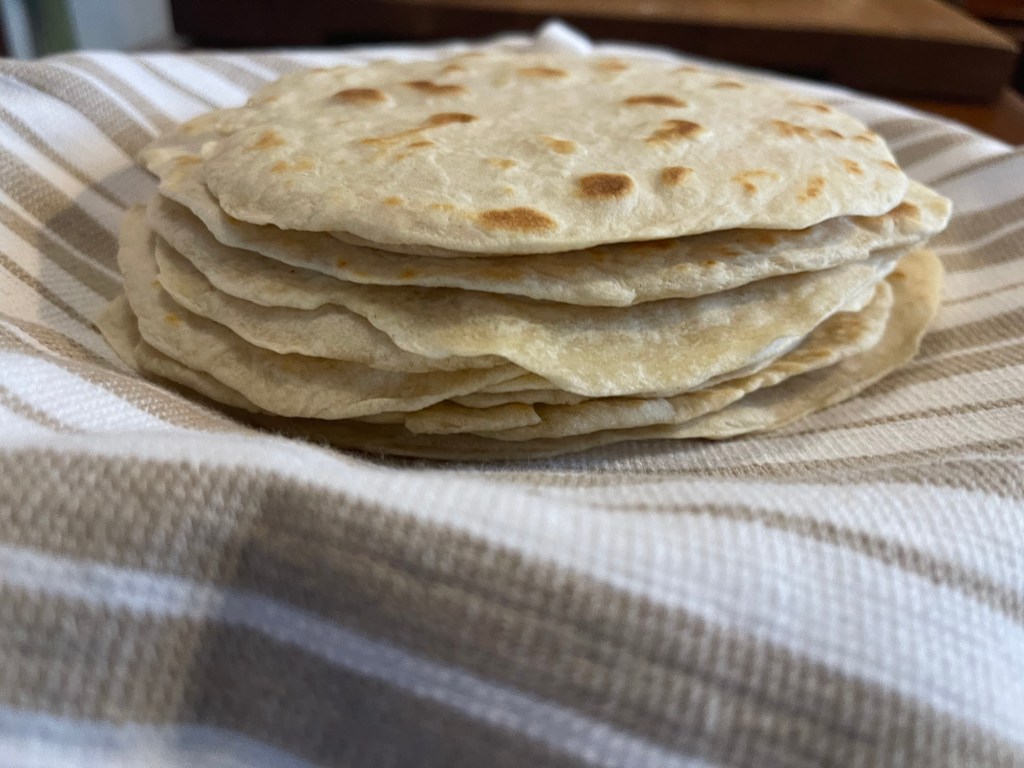
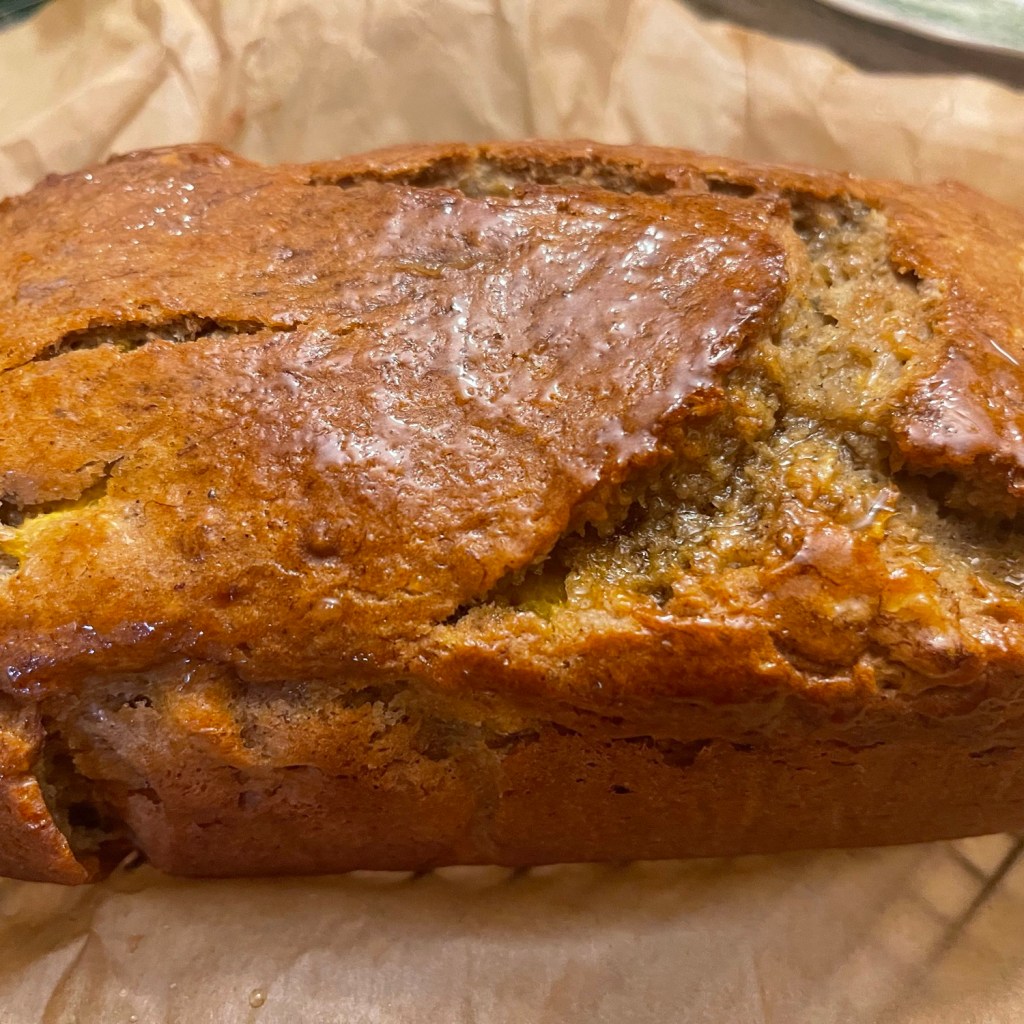
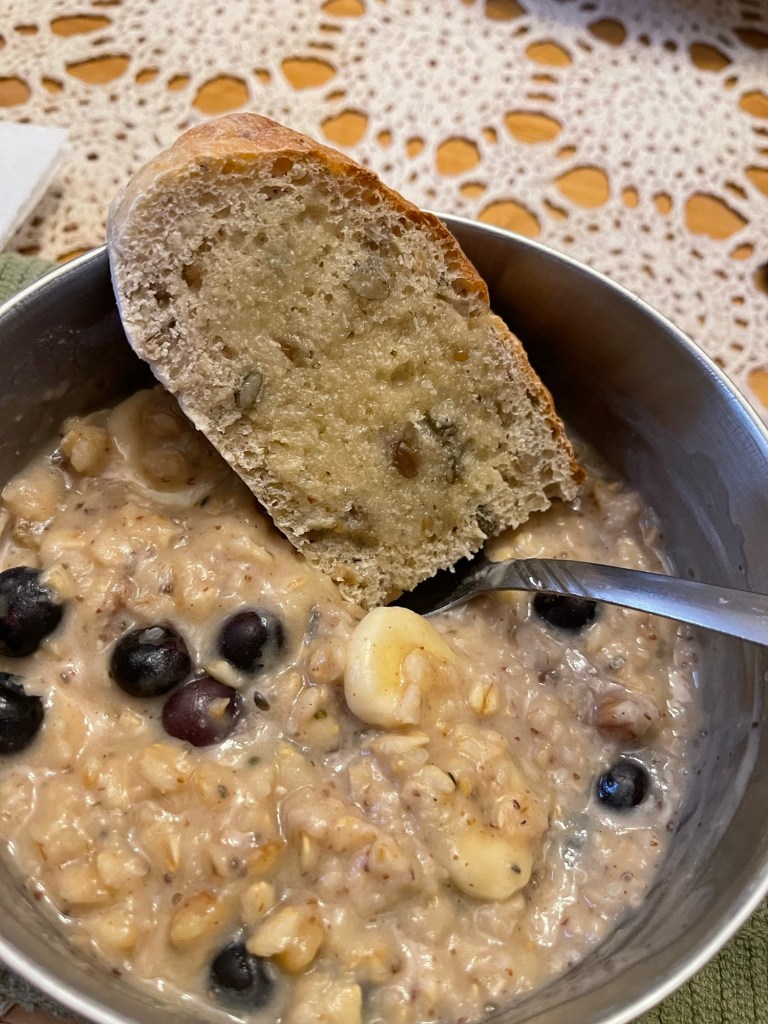
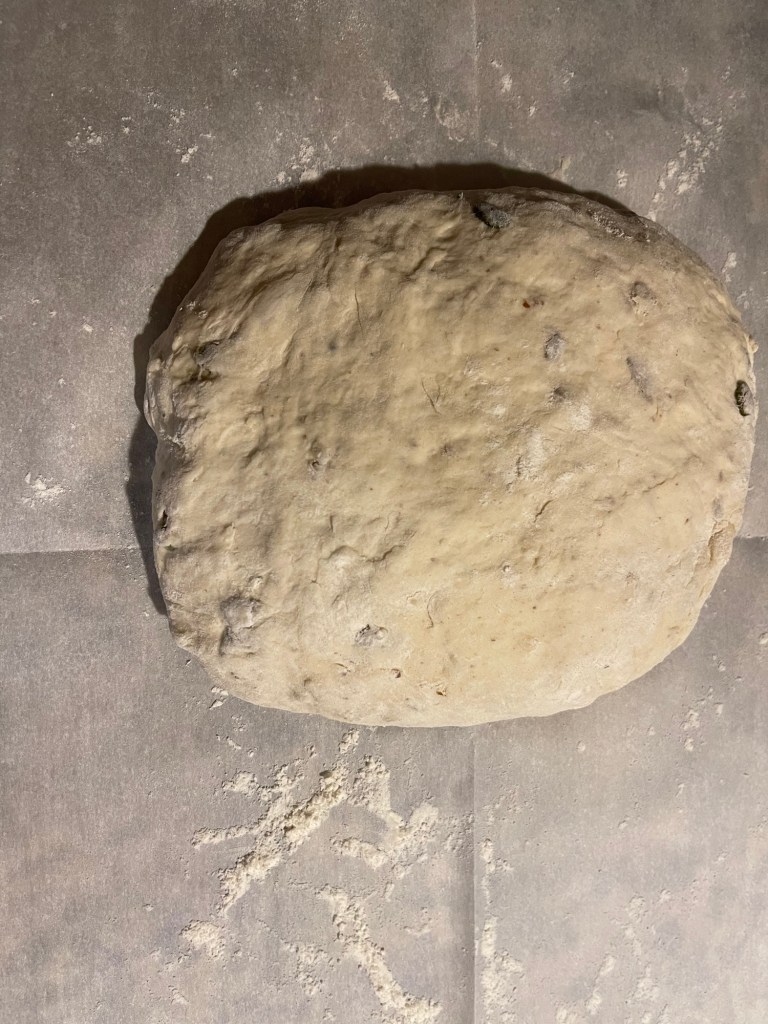
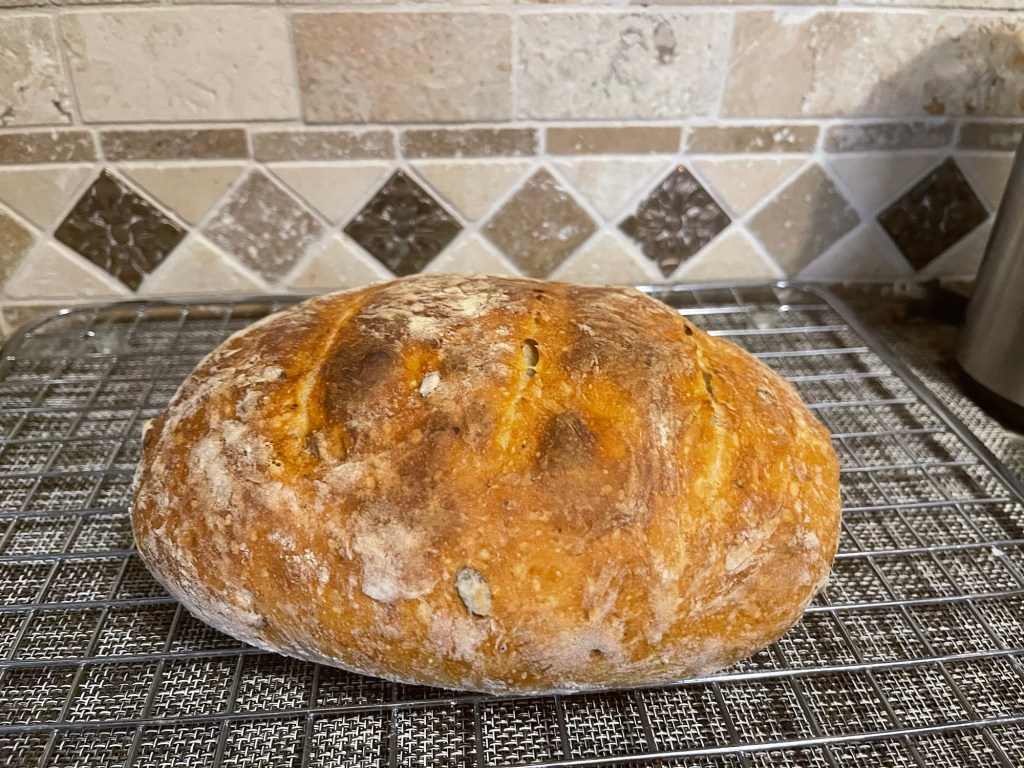
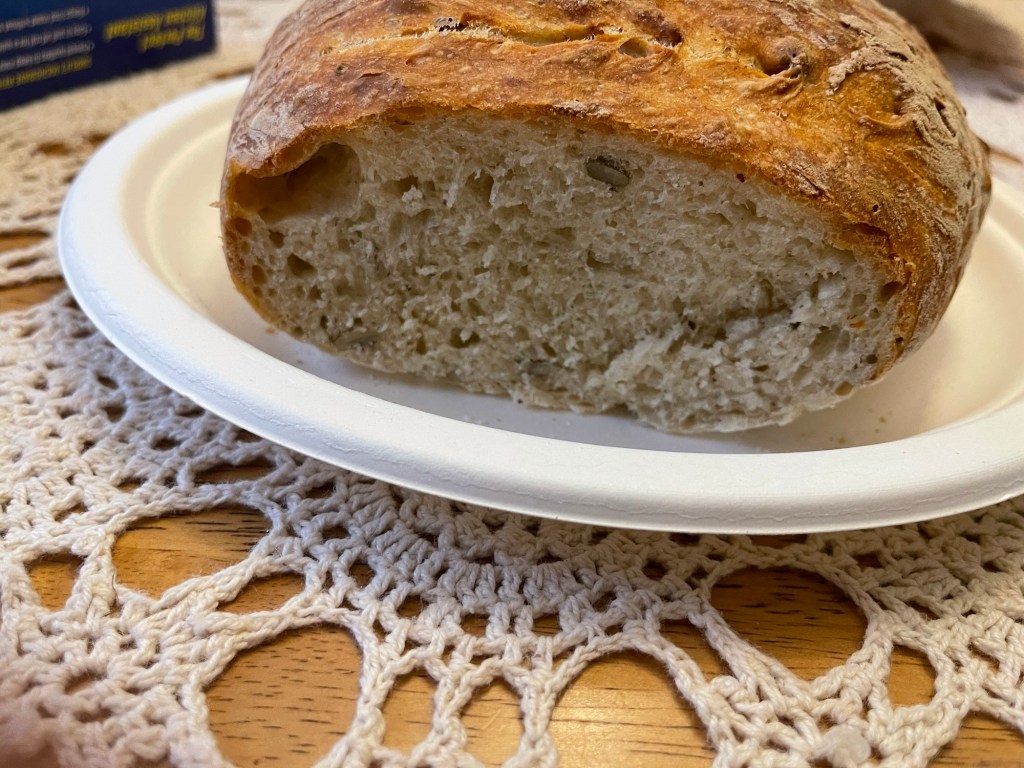
Baking bread is making a huge comeback. Take a few minutes and look at the ingredients in your favorite store bought bread. Then, look at the price. Finally, think about the preservatives that have been added to prevent mold. With that being said, there is no comparison to the taste of fresh baked bread. I enjoy baking a variety of styles of bread. I love artisan bread, my husband loves sandwich bread. I also enjoy baking sourdough bread, wheat bread, and high-fiber seeded bread. Recently, I branched out to making sourdough tortillas and sourdough crackers. We enjoy baking all types of cakes and cookies. Homemade has less ingredients, is healthier, and tastes better. Give Us This Day Our Daily Bread: Homemade Crusty Vegan Bread This is one of many posts about baking fresh bread.
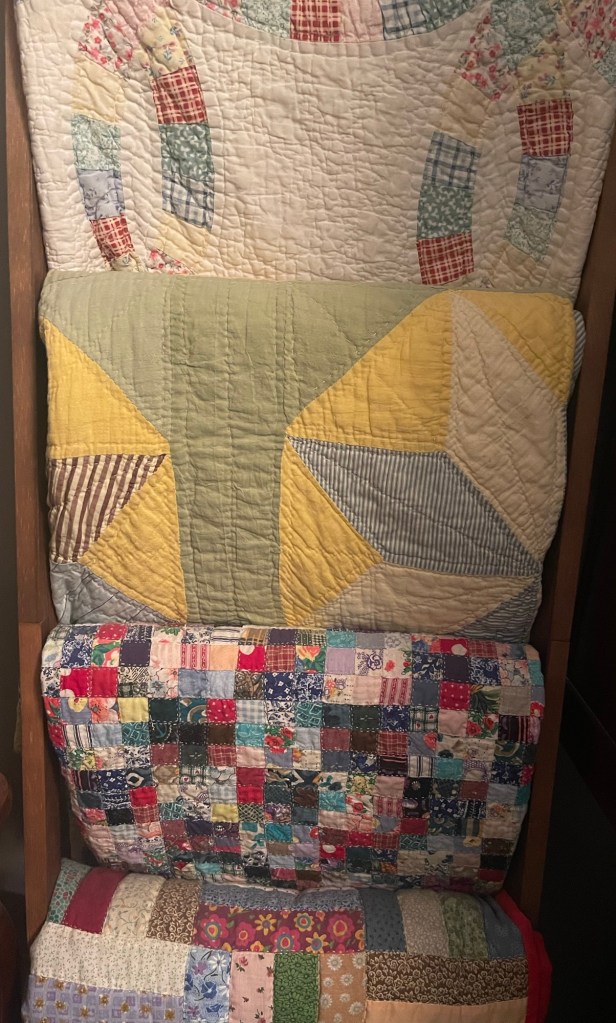
Sewing is something I grew up with. My mom was a seamstress, my grandmother sewed clothes and was known for her quilting skills. My sister inherited the love for quilting. I can, and have a made a few quilts, dresses, shirts, and pants. I use my sewing skills more in hemming, sewing a button on, or mending clothes that need repaired. Nevertheless, learning to sew can save a nice chunk of change for hemming and mending. It is also a skill that that produces very nice gifts, and can become a nice side income.
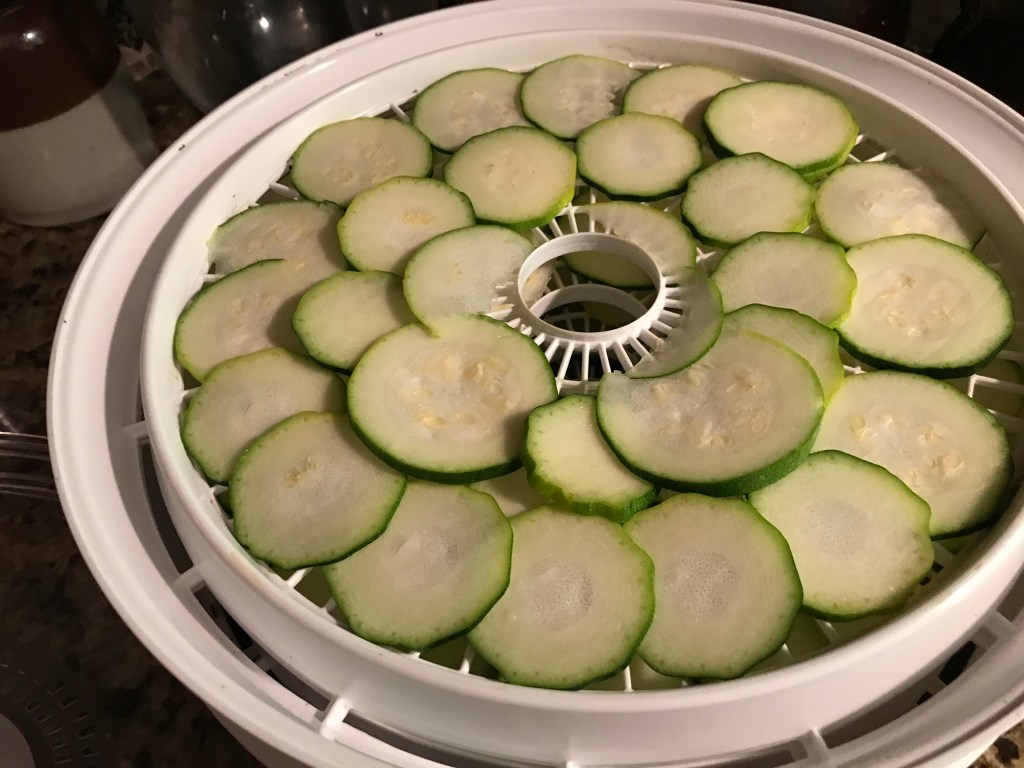
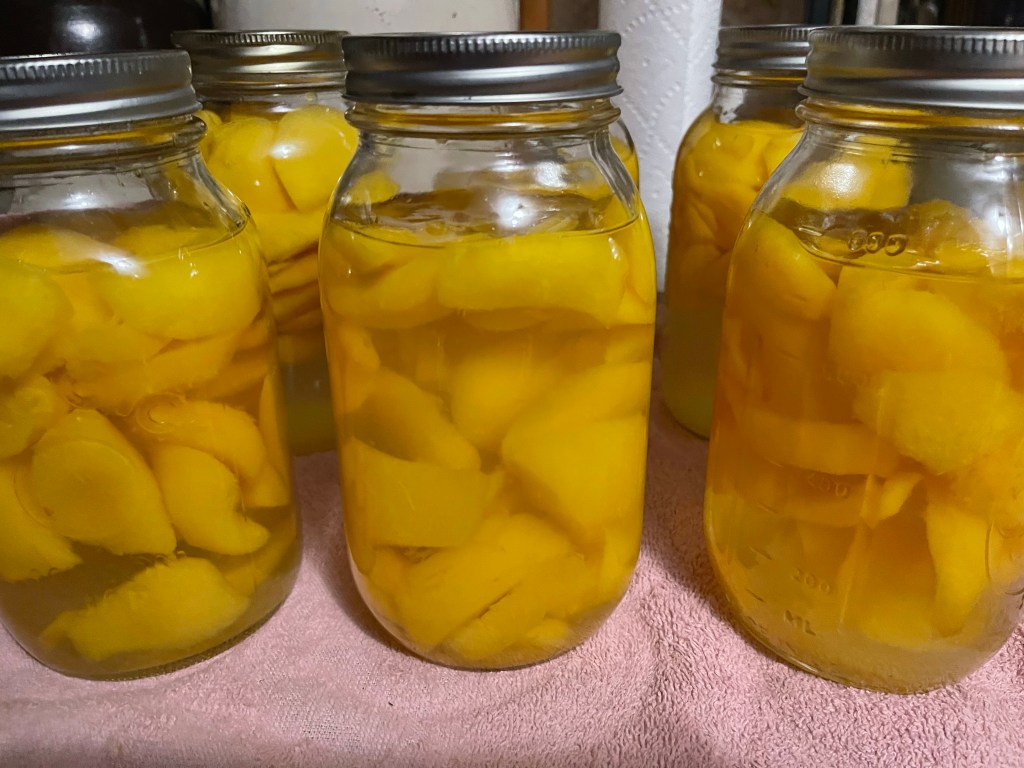
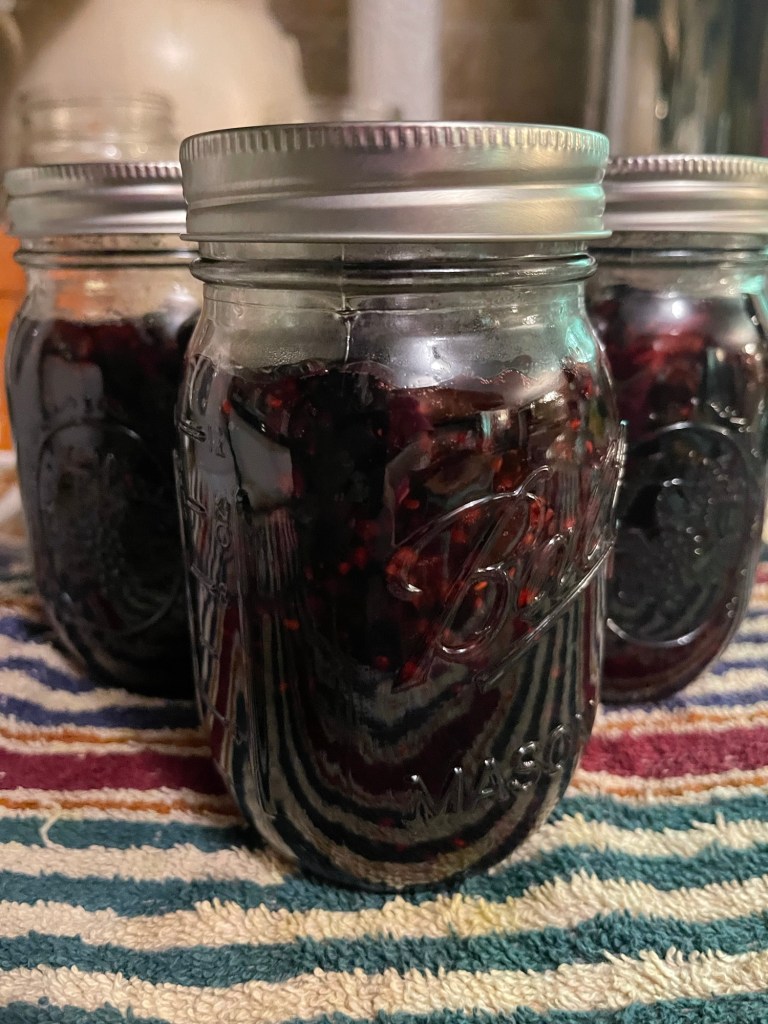
Canning, Dehydrating, & preserving canning vegetables helps to ensure we have food for the winter, saves money by decreasing store bought food. Having our own canned or preserved food ensures we are eating healthy garden food, even in the winter. And garden food allows us to share our bounty with others. Canning Green Beans the Time-Tested Way (updated) This is only a few of the wonderful things we can and preserve for our family.



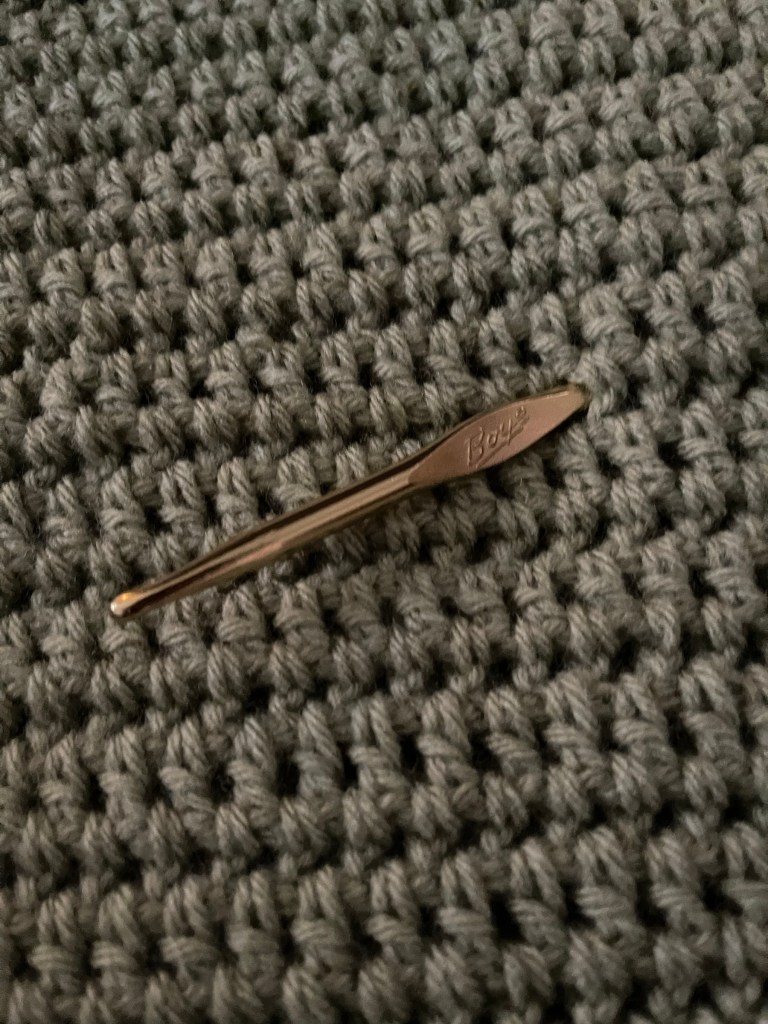
Crocheting or knitting is not a necessity, but it is a great skill to have when making blankets to share as gifts, for family, and as a business. My favorite of the two is crocheting. I have made a nice little stash of cash by creating ponchos and afghans. It also provides a means of relaxation late evenings, and in during the dark days of winter.

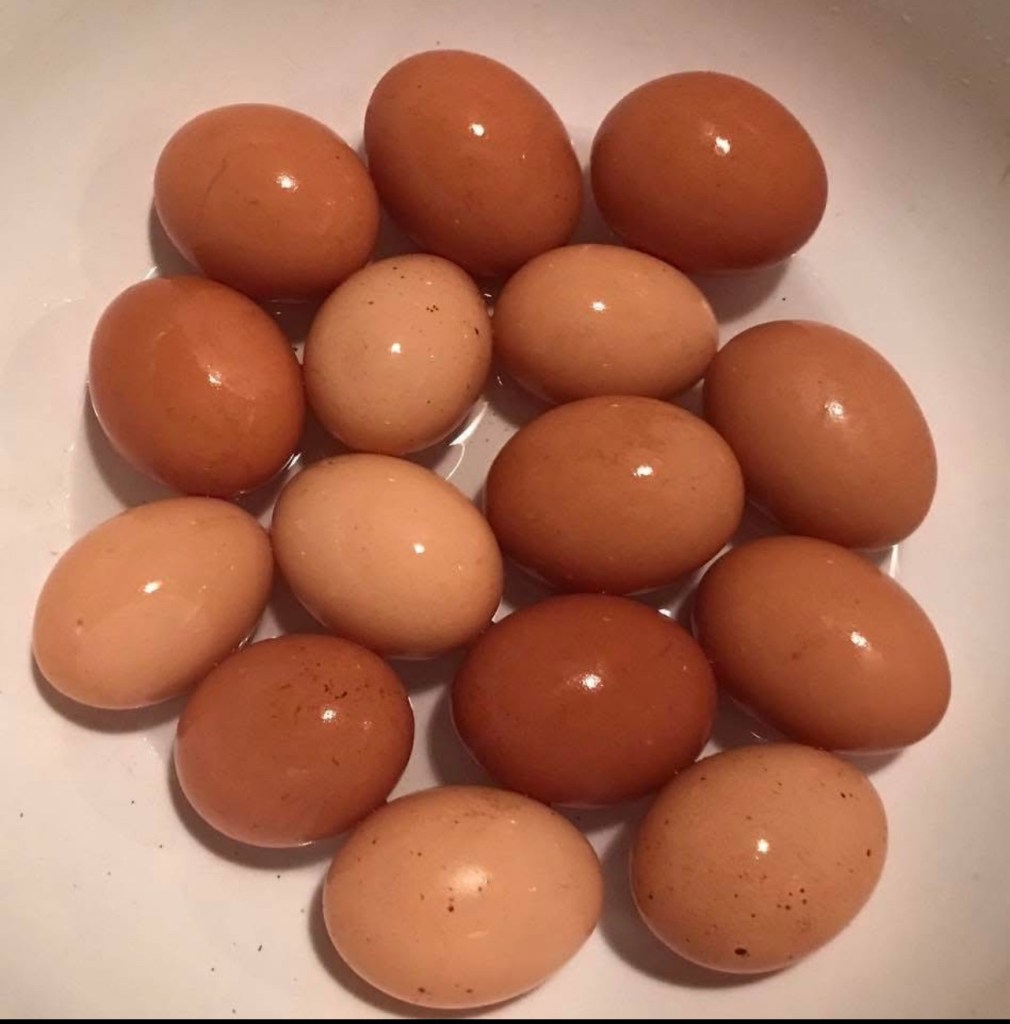
Chickens bring eggs to our family. With the prices of eggs lately, our girls are appreciated more than ever before. They also provide an extra income. We sell eggs at a much better price than the over priced eggs in the grocery store. Chickens also provide meat for the freezer, they help decrease insects in the yard, and the rooster’s early morning crow prevents one from oversleeping. Our chickens help us to friends and flail who cannot pay the high price of store bought eggs.

Composting is a way of repurposing what most people throw away into fertilizer. Some people buy a gadget that allows them to compost their leftovers in the house. They’re nice and work if you do only have the space outdoors for a compost bin. We chose to build a compost bin from used concrete blocks that would have otherwise been sitting unused in a pile, or sent to a landfill. The compost bin is basically three outside walls with an open front and top. It is open in the front to allow the tractor or shovel access. The top is open to allow easy dumping and to allow the weather elements to reach the compost, helping it to decompose. Once the raw vegetables, fruits, egg shells, tea leaves, fruit and vegetable peelings, dried leaves, and other organic decomposable additives have decomposed, and it is totally dry, it is added back to the gardens as organic fertilize and around the fruit treats. Composting reduces waste, fertilizes, and ensures our plants are not being exposed to toxic fertilize.
Thank you for stopping by and spending a little time reading about our life on our homestead. Please feel free to leave comments, like, follow and or share. Happy homesteading from our homestead to your home. God bless!





















 A Healthier Me...Homesteading Simple & Clean