My Top Ten Favorite Herbs (Part Eight- Lemon Balm)

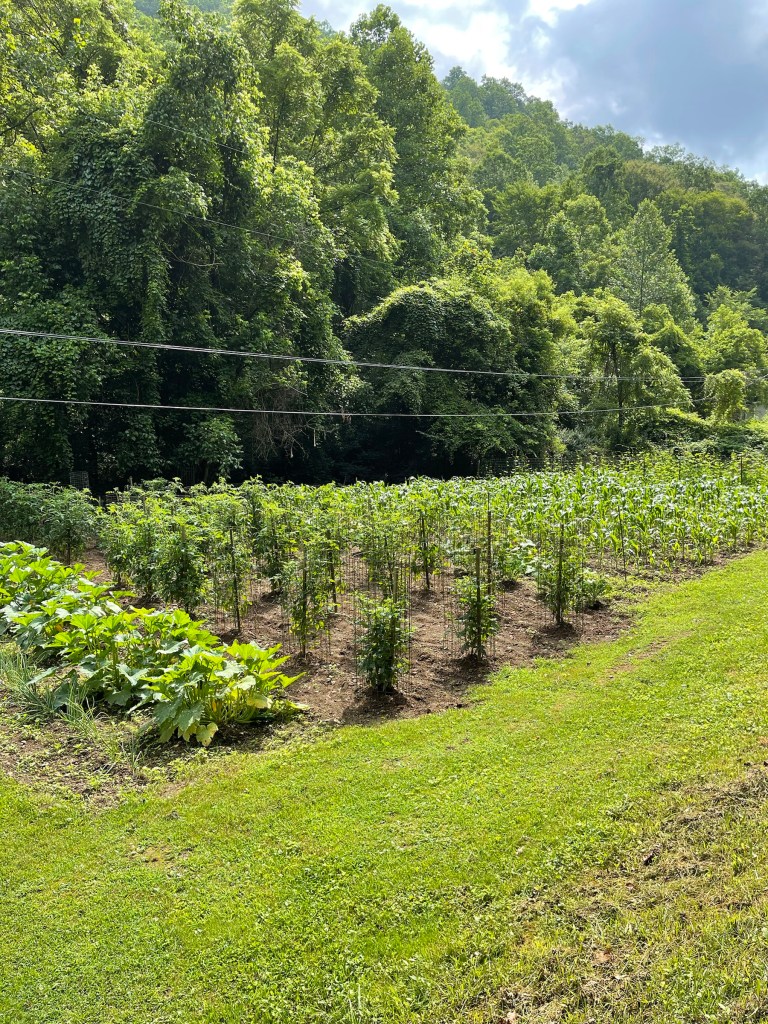
Hello, from the mountains of Kentucky! It’s been a busy start to July on the homestead. We have been working fiercely in the vegetable garden on dry days because we’ve had a magnitude of rainy days this spring and summer. The garden looks great! Everything seems to be flourishing. We’ve been picking a lot of cucumbers, zucchini, and summer squash. These are our favorites! We love incorporating it with breakfast, lunch, and supper. We can, freeze, and dehydrate squash and zucchini. We harvested last summers’ onions a few days ago to dry for winter onions and planted a new row of onions to eat this summer and fall.
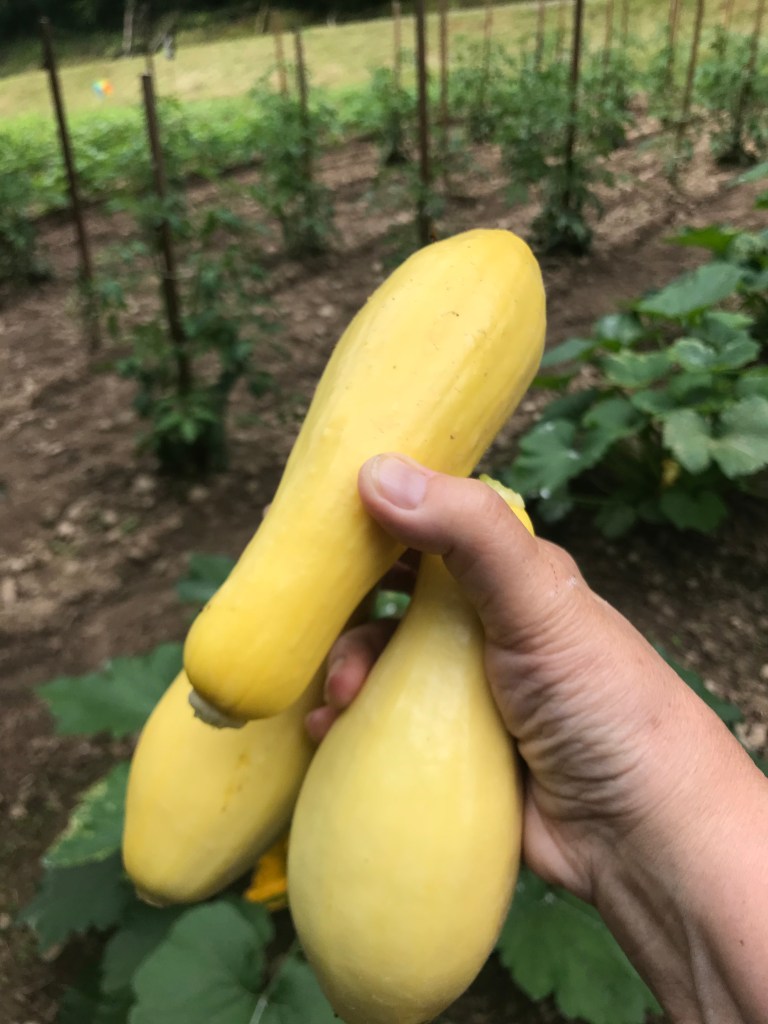
Summer squash
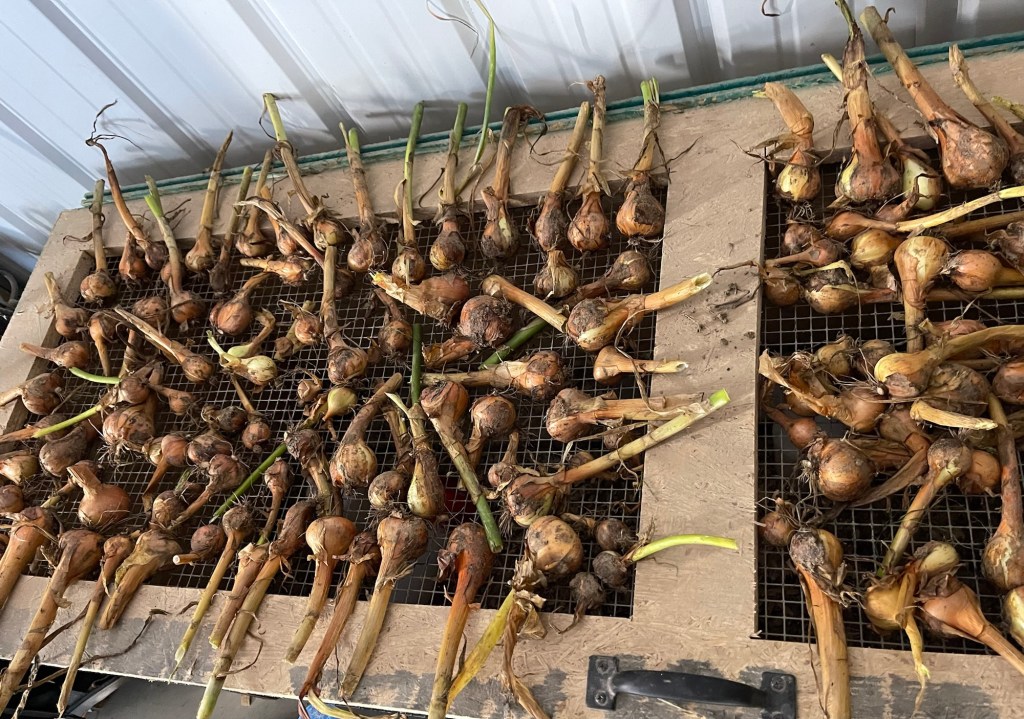
Last season’s onions
Drying last season onions for the winter.
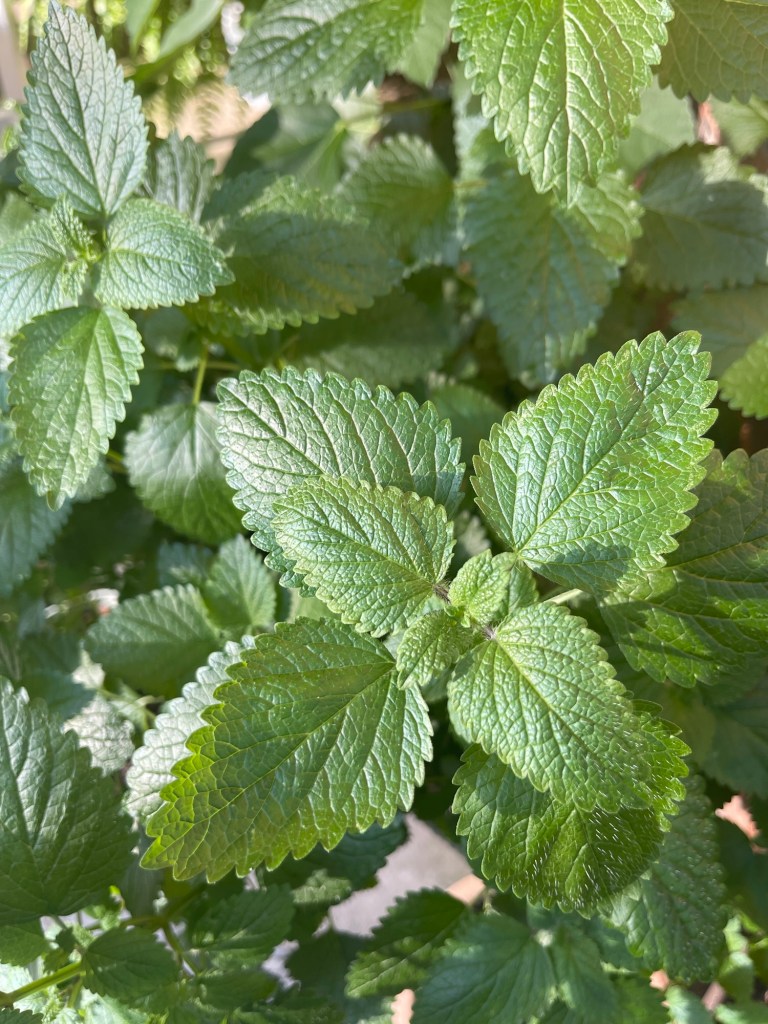
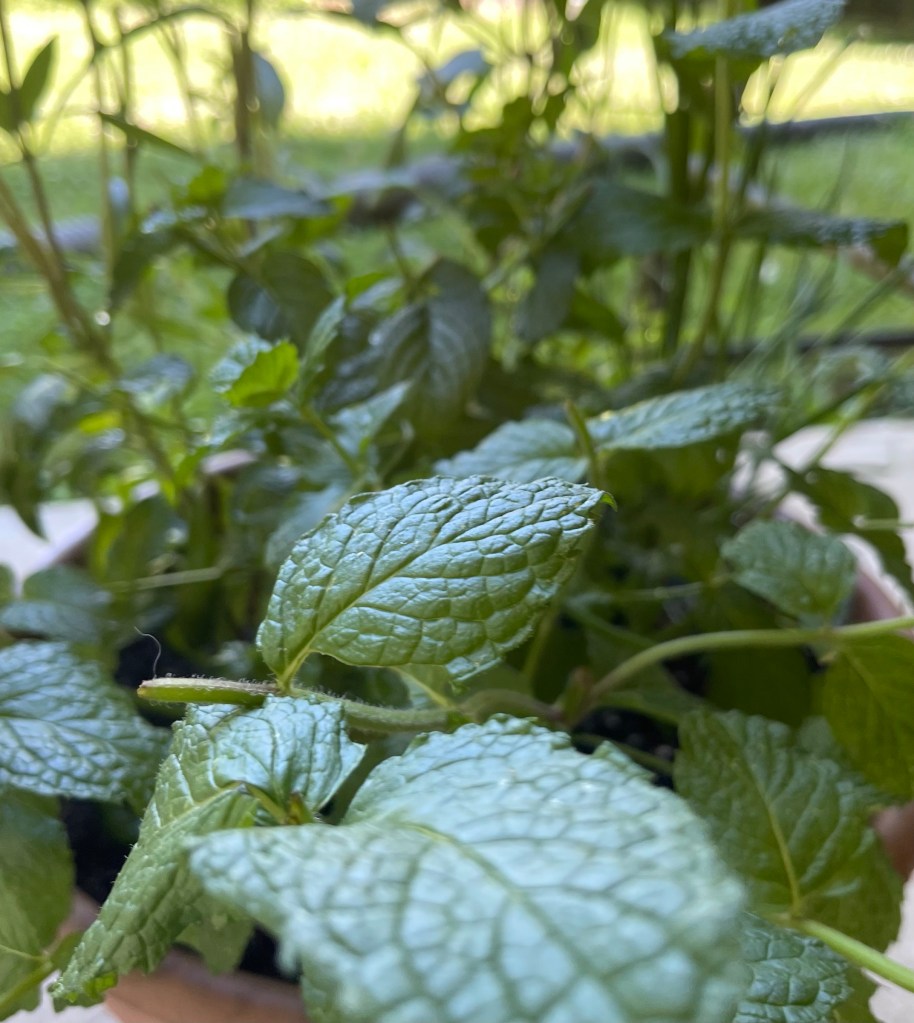
Lemon balm plant

Enough about the homestead, this post is about one of my favorite herbs, lemon balm. Lemon balm (Melissa officinalis) is an herb from the mint family. The leaves have a mild lemon aroma and a lemony taste. The leaves are used to make teas, medicinal salves, oils, and to flavor foods. Our favorite use of lemon balm is making tea. Lemon balm tea is great to relax after a busy day. It not only has a relaxing element, it soothes as well. We have found that the leaves can sooth a cold sore, and minor scrapes. Sipping lemon balm tea can also help ease indigestion.

Growing Lemon Balm

Lemon balm is a perennial that loves to thrive in partly sunny beds. Forewarning, it It will spread quickly and overtake other plants. We grow it in a huge flower pot as it is a bit of an escape artist and will escape beds and overtake other plants. After the last harvest, the pot is covered with a warm bedding to protect the roots from the harsh winter elements. Some years, it returns and some it doesn’t. However, it is easy to grow from seeds. The plants are also inexpensive at most green houses. It will always return if you plant it in the ground. It can be planted in an isolated bed and thrive for years to come. Like all mints, the more it’s pruned, the thicker it gets. It actually needs pruned frequently in the summer and early fall to prevent it from getting leggy. Pruning is easy. I use kitchen shears to snip the stem between the leaves. Before you know that snipped stem produces two or more new stems that produce more leaves. A good cutting does it well.

Drying Lemon Balm For Tea

Lemon balm is easy to dry. I typically cut small to medium quantities throughout the summer and a large amount with the final harvest of the season. For the smaller amounts, I prune the stems with the leaves in tact, and spread them over a cheese cloth or paper towel in a large sheet tray placed in a well ventilated place in the house. For the larger harvests, I use a large mesh drying rack in the garage. Once the leaves are brittle and crispy, they are ground for teas and spices. I store my teas in glass jars in a dark cabinet. Teas usually maintain their flavor for up to three years before they become rancid. To make a cup of lemon balm tea, add tea leaves to tea bag or tea ball and place it in your desired tea cup or mug. Pour boiling water over the tea ball or bag and allow tea to steep for at least five minutes. Removing the ball or tea bag is optional. Your tea is ready. It is a delicious lemon flavor that we enjoy for the taste and the soothing benefits. I also find true satisfaction with drinking tea made from the plants we plant, grow, harvest, and dry. Self-sustaining is a satisfying wonderful feeling.

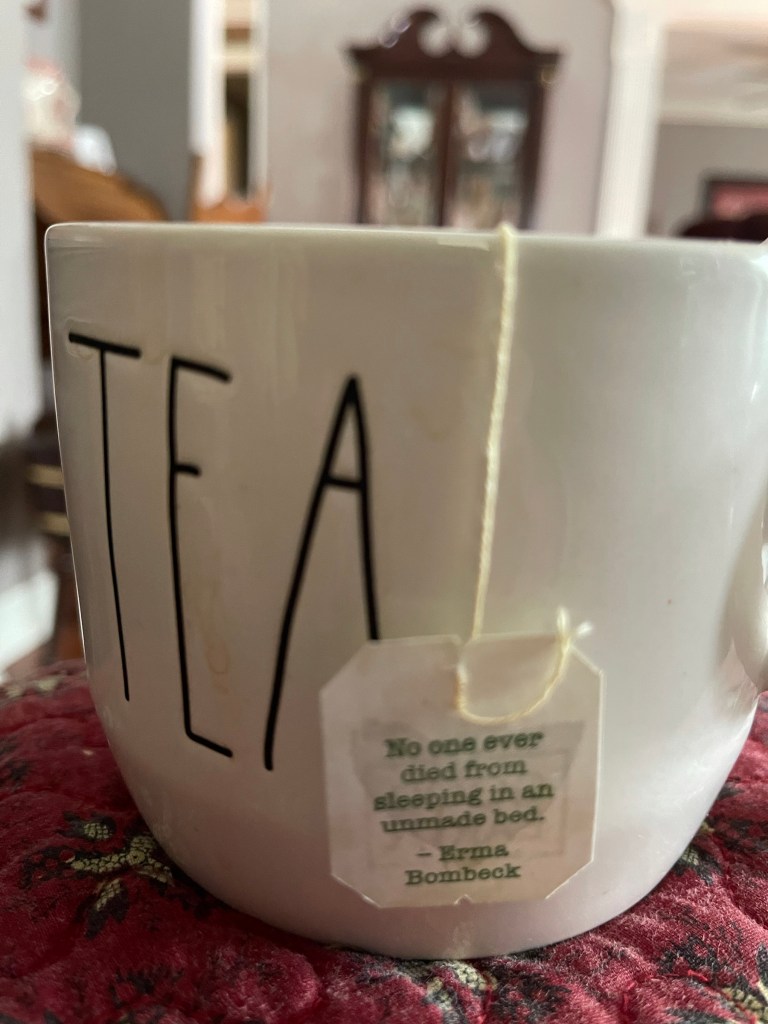
My favorite tea mug

Making Lemon Balm Oil

I love to make lemon balm oil for my skin, to sooth sun burns, to massage sore muscles, and more. It’s easy to make. Dry lemon balm leaves and stems until crispy. Once the leaves are dried, add them to the carrier oil in a glass jar. I like to use amber jars. I don’t really measure for this oil. It would depend on the size of the jar. For example, I typically fill the jar or bottle about half full of leaves and then add the oil. I like to use organic fractionated coconut oil, you can also use jojoba oil. Seal the bottle and place in a dark cabinet. Give the jar of oil a gentle shake daily and place it back in the cabinet. After three to four weeks, strain the leaves out of the oil and you are ready to use your lemon balm oil. Keep it stored in an amber bottle to help it maintain its strength. Keep in mind this is not lemon balm essential oil, that is an entirely different type of oil.

Don’t Discard the Leaves

Don’t just discard the teas leaves or those soaked in oil! I use teas leaves that have reached or exceeded their shelf life as a weak tea to water my herbs, house plants, ferns, garden plants, herbs, and flowering shrubs. They’re great to add to the soil near squash and zucchini plants in the garden. Herbs are filled with rich antioxidants that are as good for the soil and plants as they are for us. Older teas and dried herbs can be added to the compost for enrichment.

Research to Read

Lemon balm is a versatile herb that is even recognized by The Cleveland Clinic as a herb that can be used medically This is a very interesting read!

https://health.clevelandclinic.org/lemon-balm-benefits

I hope you took time to read the article. It’s actually quite amazing as most medical personnel do not give credit to the medicinal power of plants.

I hope you have enjoyed this post about one of my favorite herbs and a little update from our homestead. Feel free to leave comments, like, share, subscribe, or follow Also, head over to Apple podcast and listen to my podcast, Homesteading in the Mountains, for more tips, ideas, and information about homesteading and more. Have a blessed week! For now, God bless from the mountains of Kentucky! Happy homesteading!

Helpful Homesteading Skills

Hello, from our homestead in the mountains. Spring is so close I feel like we could almost reach out and touch it! I don’t know about you, but it’s been a pretty rough winter here. We’ve gone from snow, to spring like temperatures,to flooding, to ice and snow, back to massive flooding, and snow again. But the good news is spring is less than month away! That and planning for our vegetable and herb garden helps make the lingering days of winter tolerable. Not to mention, a lot of reading and crocheting.

I was recently interviewed about our homestead. Many questions were asked about wby, what does it take, what advice can I give, and many more. I was a little surprised at the misconceptions that many people have about homesteading. That interview helped inspire this post. I am excited to bring to you ten skills that we use on our homestead in everyday life. These are skills that have been handed down from generations past, learned from fellow-homesteaders, and some we learned ourselves through trial and error.

Gardening is a plus for homesteaders. Having your own garden can eliminate or decrease buying from farmer’s markets, farms, or grocery stores. Don’t get me wrong, we love to shop our local farmer’s market for produce that we don’t grow. We buy some things from the grocery, but not to the extent we would buy if we did not have a garden. Gardens can be overwhelming for some and some may not have room for a large garden. I know some people who raise a large amount of produce for their families. Follow our blog and head over to our podcast, Homesteading in the Mountains, on Apple Podcasts for a tips, ideas, and gardening posts.

Our garden last spring.

Saving seeds has been a part of homesteading in our family as long as I can remember. I recall my grandparents shelling bean seed and many other types of seeds to dry for the next season. That tradition has been handed down through the generations to me. Saving bean seeds, seed potatoes, tomato and cucumber seeds mean we do not have to buy seeds, we know how the plants were grown where the seeds originated from, saves money, and ensures we have seeds for the next season.

One of our seed boxes

Herbs are my favorite! I love working in our raised herb beds. We grow lots of basil, chives, oregano, thyme, lavender, bee balm, echinacea, Mullein, yarrow, peppermint, chocolate mint, strawberry mint, spearmint, lemon balm, and more. Do you have to grow this many different herbs? The answer is no. Grow what you will use and what you like. I use our herbs to make spices for culinary purposes and many of them for teas, while other herbs are used for balms, herb and oil-infused oils for a medicinal and cooking. We also use them for wide-variety of medical rubs, cleaning supplies, and repurpose them for compost and fertilizer. I love to gift herbs and teas as well. Follow our blog and podcast for more information. My Favorite Top Ten Herbs (Chocolate Mint part 3) This is one of many links to posts about our herbs. Herbs have the ability to make food taste better, makes great teas, and can be used for many medicinal purposes.

Harvesting Mint for Teas

An early mint bed from a couple years ago. Future tea!
Chocolate mint drying to be used as tea.

Baking bread is making a huge comeback. Take a few minutes and look at the ingredients in your favorite store bought bread. Then, look at the price. Finally, think about the preservatives that have been added to prevent mold. With that being said, there is no comparison to the taste of fresh baked bread. I enjoy baking a variety of styles of bread. I love artisan bread, my husband loves sandwich bread. I also enjoy baking sourdough bread, wheat bread, and high-fiber seeded bread. Recently, I branched out to making sourdough tortillas and sourdough crackers. We enjoy baking all types of cakes and cookies. Homemade has less ingredients, is healthier, and tastes better. Give Us This Day Our Daily Bread: Homemade Crusty Vegan Bread This is one of many posts about baking fresh bread.

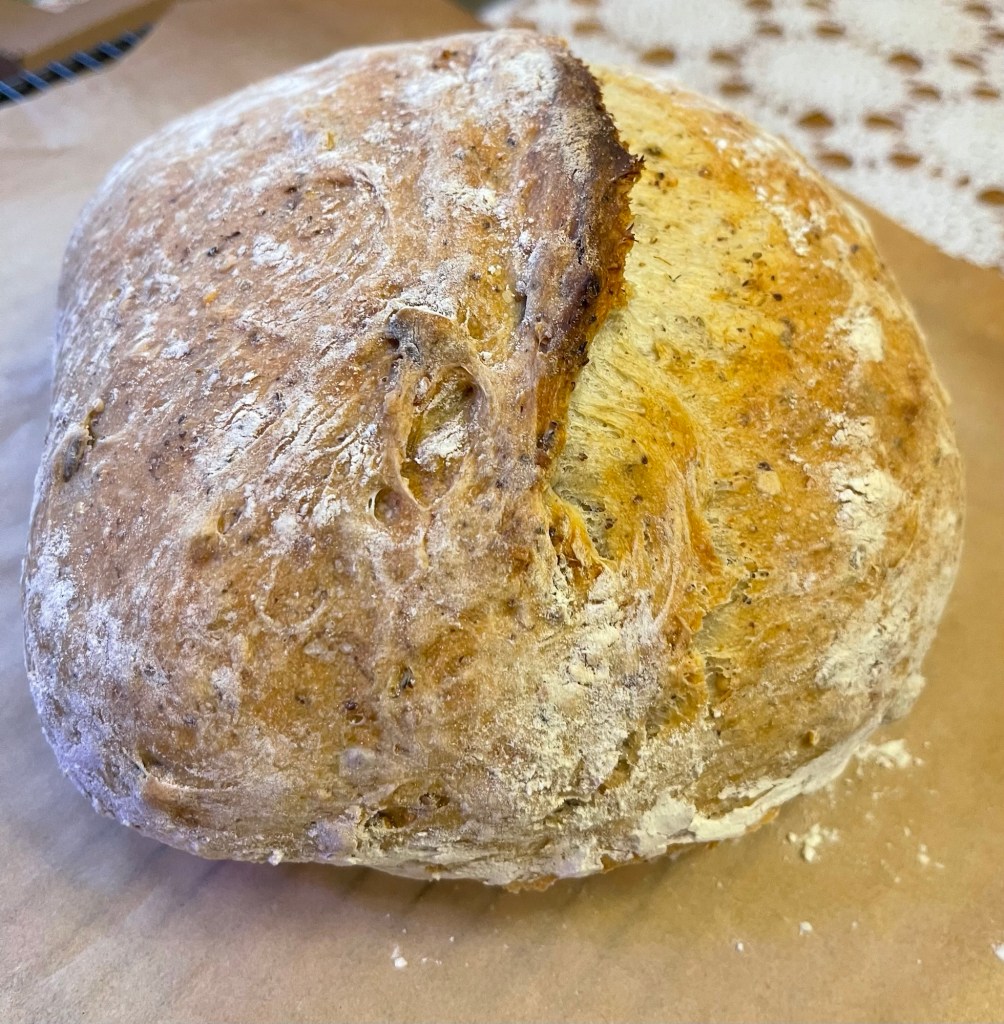
Artisan seeded bread.
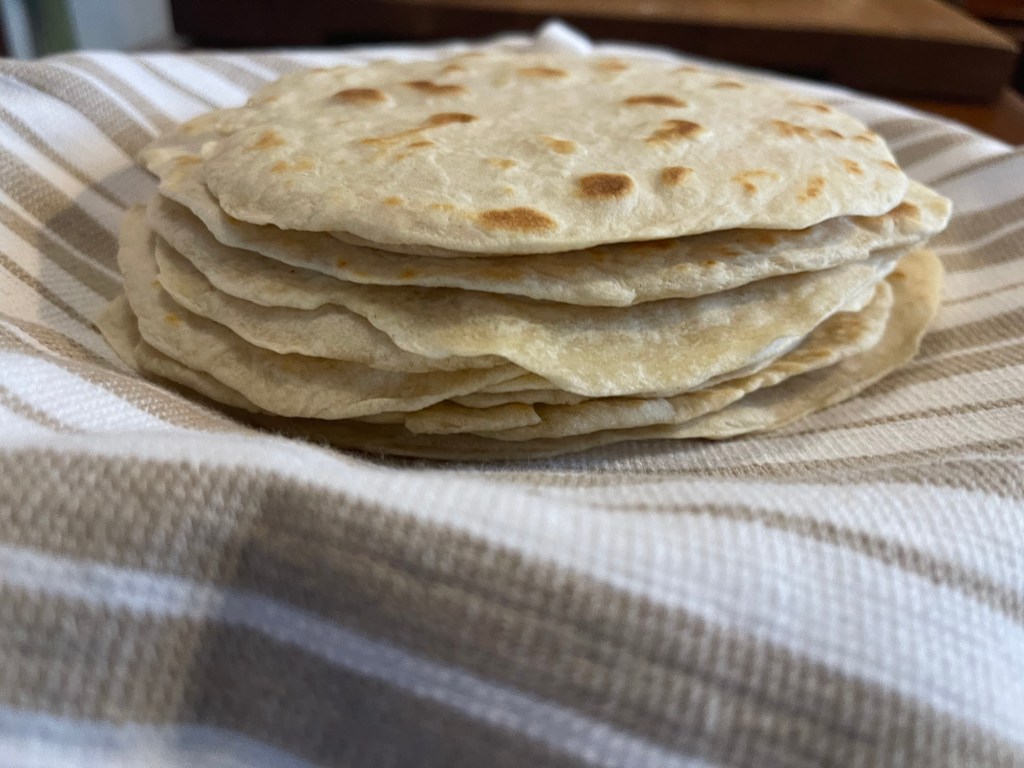
Fresh homemade tortillas.

Sourdough Tortillas

Sewing is something I grew up with. My mom was a seamstress, my grandmother sewed clothes and was known for her quilting skills. My sister inherited the love for quilting. I can, and have a made a few quilts, dresses, shirts, and pants. I use my sewing skills more in hemming, sewing a button on, or mending clothes that need repaired. Nevertheless, learning to sew can save a nice chunk of change for hemming and mending. It is also a skill that that produces very nice gifts, and can become a nice side income.

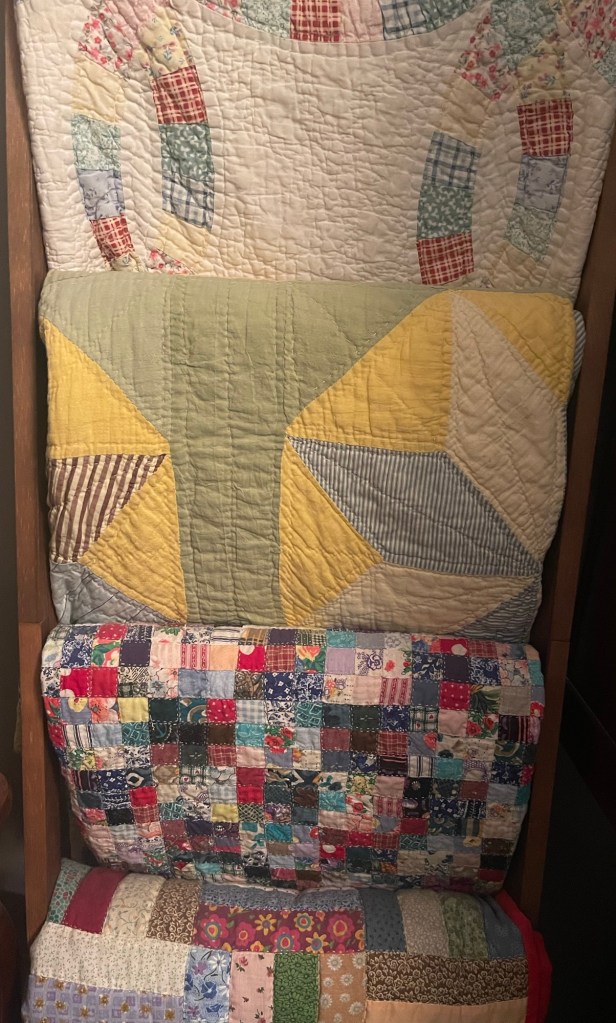
Just a few of my sister’s homemade quilts I have used and now display as a keepsake.

Canning, Dehydrating, & preserving canning vegetables helps to ensure we have food for the winter, saves money by decreasing store bought food. Having our own canned or preserved food ensures we are eating healthy garden food, even in the winter. And garden food allows us to share our bounty with others. Canning Green Beans the Time-Tested Way (updated) This is only a few of the wonderful things we can and preserve for our family.

Fresh zucchini and squash
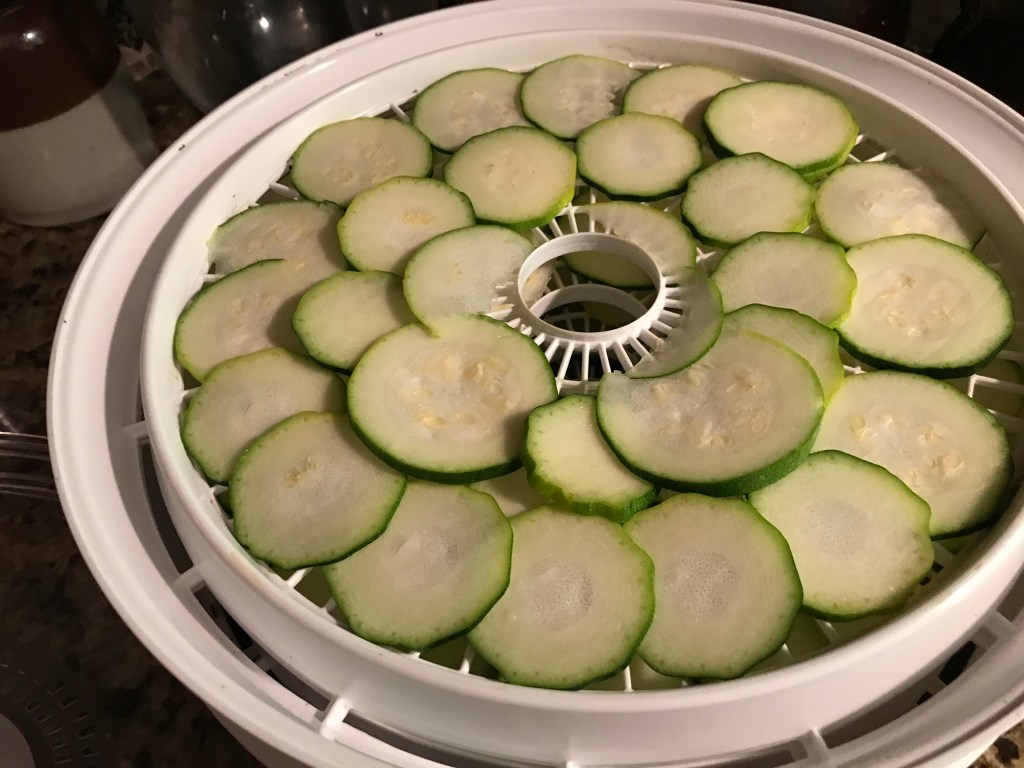
Dehydrating zucchini that can be rehydrated later.
Green beans from the garden canned and ready for winter.
Corn from the garden to the freezer and ready for winter.
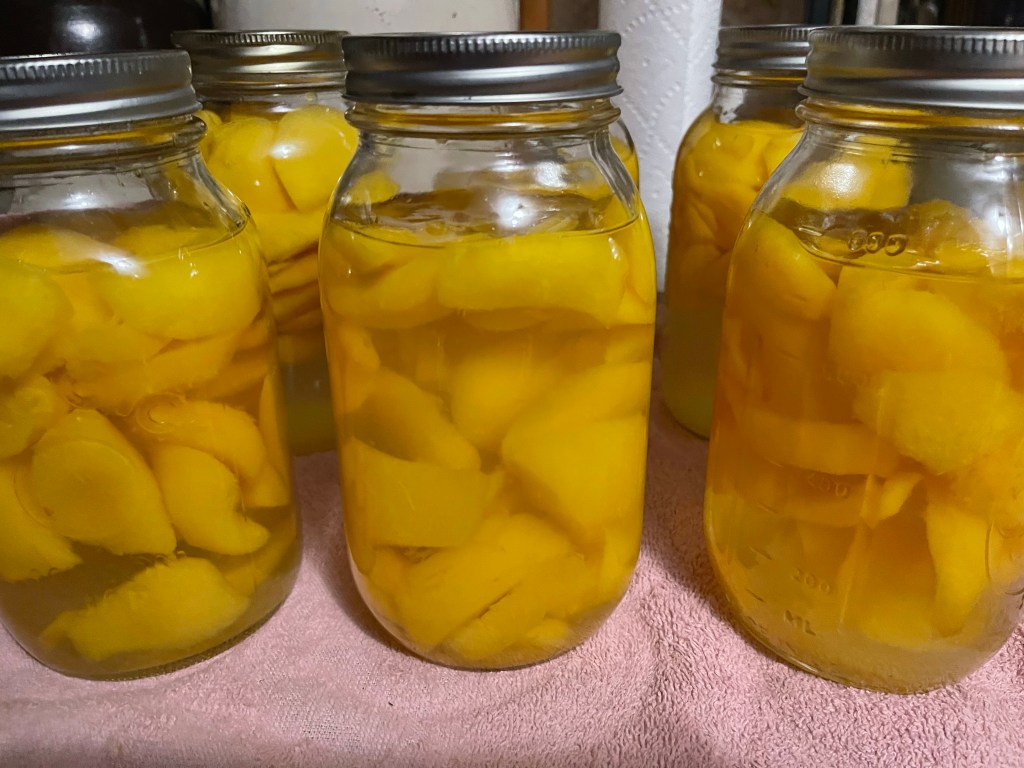
Fresh peaches canned and ready for cobblers or bread.

Canning My Favorite Peaches

Crocheting or knitting is not a necessity, but it is a great skill to have when making blankets to share as gifts, for family, and as a business. My favorite of the two is crocheting. I have made a nice little stash of cash by creating ponchos and afghans. It also provides a means of relaxation late evenings, and in during the dark days of winter.

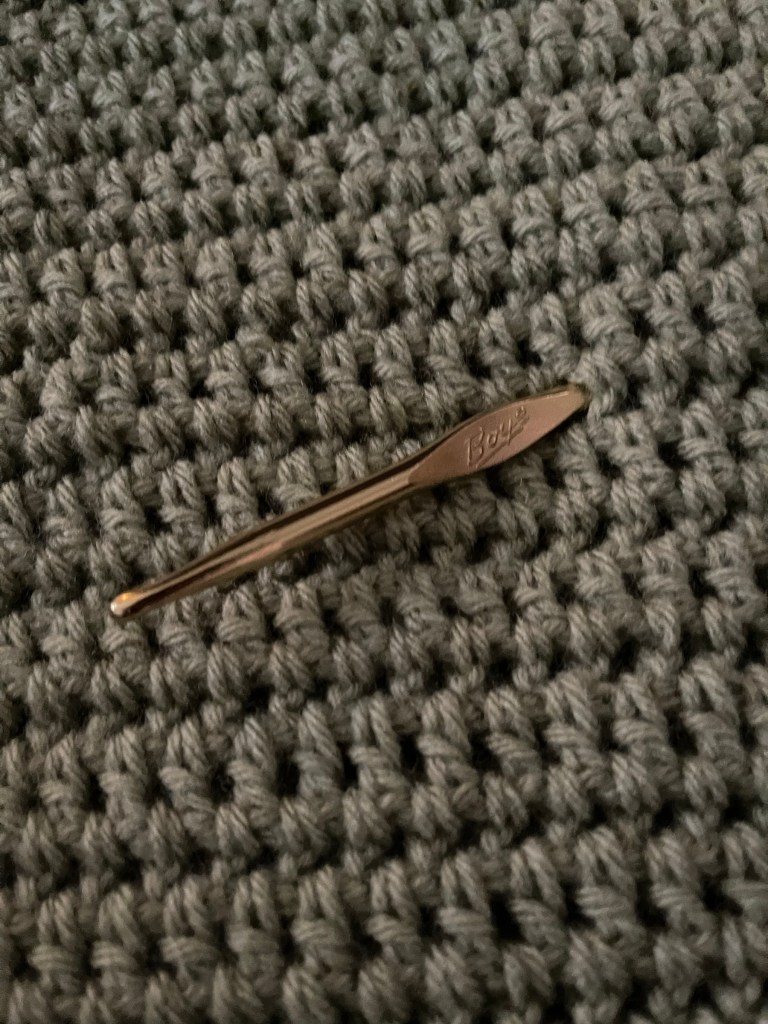
Crocheted afghan in process

Chickens bring eggs to our family. With the prices of eggs lately, our girls are appreciated more than ever before. They also provide an extra income. We sell eggs at a much better price than the over priced eggs in the grocery store. Chickens also provide meat for the freezer, they help decrease insects in the yard, and the rooster’s early morning crow prevents one from oversleeping. Our chickens help us to friends and flail who cannot pay the high price of store bought eggs.

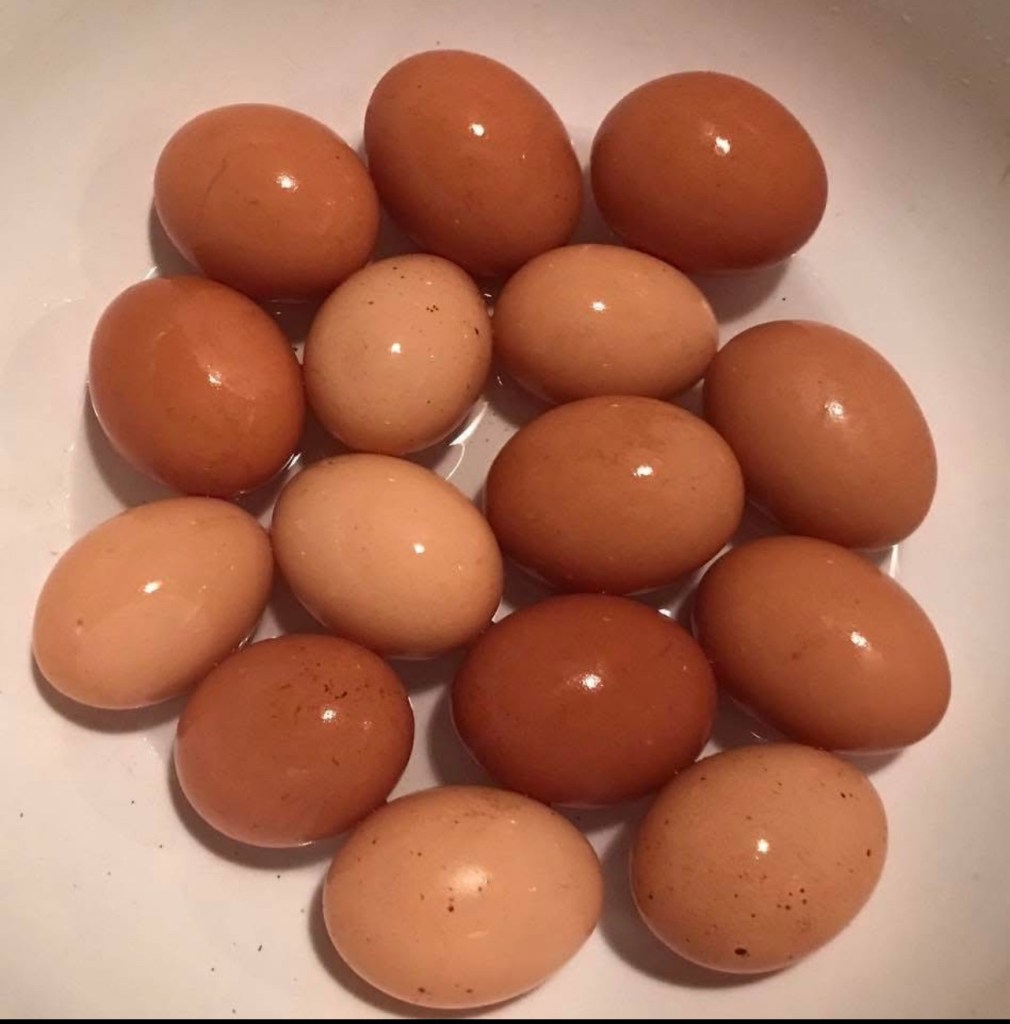
Fresh eggs!
A few of our layers.

Composting is a way of repurposing what most people throw away into fertilizer. Some people buy a gadget that allows them to compost their leftovers in the house. They’re nice and work if you do only have the space outdoors for a compost bin. We chose to build a compost bin from used concrete blocks that would have otherwise been sitting unused in a pile, or sent to a landfill. The compost bin is basically three outside walls with an open front and top. It is open in the front to allow the tractor or shovel access. The top is open to allow easy dumping and to allow the weather elements to reach the compost, helping it to decompose. Once the raw vegetables, fruits, egg shells, tea leaves, fruit and vegetable peelings, dried leaves, and other organic decomposable additives have decomposed, and it is totally dry, it is added back to the gardens as organic fertilize and around the fruit treats. Composting reduces waste, fertilizes, and ensures our plants are not being exposed to toxic fertilize.

Thank you for stopping by and spending a little time reading about our life on our homestead. Please feel free to leave comments, like, follow and or share. Happy homesteading from our homestead to your home. God bless!

My Top Ten Favorite Herbs: (Part-Seven: Yarrow)

Hello from the mountains of Kentucky! I hope each of you had an amazing Christmas. We had a wonderful Christmas on the homestead with family and friends. God is good. Anyone that knows me knows that when Christmas is over… I start counting down the days till spring. I know, we shouldn’t wish our time away. I keep reminding myself of this. Take each day, savor it, as it is gift we never get back. However, I still get excited to see how many days till planting time! As of today, 78 days till calendar spring!

That being said, I am excited to bring another of my favorite herbs to you today. Last year, I completed the courses to finally earn my herbalism certification. During my studies, I learned about the common wild plant, yarrow.

Close up picture of yarrow leaves.

Achillea millefolium, more commonly known as yarrow is a perennial herb that is a member of the daisy family. It is found in growing in the wild and sometimes will in your yard as birds carry the seeds far and wide. It grows up to three and a half feet tall. The leaves are dark green, fern like, but yarrow is more feathery. See above picture. It has been used for centuries for nose bleeds, minor cuts, thus becoming known in son areas as the nose-bleed plant. The blooms are more commonly white with tiny yellow centers. Some yarrow blooms are yellow in color. We grow both and both are beautiful in flower beds and landscaping. Both are equal in quality.

Pictures above is our yellow tallow in full bloom.

Yarrow leaves are safe to mix in salads and are quite tasty. The leaves can also be dried for teas. Yarrow is considered to be a safe herb, however it is not advised to ingest large amounts of yarrow on a regular basis as yarrow contains thujone, which can be toxic if consumed on a regular basis in large quantities.

Cut yarrow drying. Preparing for yarrow salve.

Yarrow is versatile and very useful as a topical herb. It can be used in topical oils, salves, or even just by picking the leaves and crushing them or chewing them to apply to a wound to help slow and even stop bleeding. As always seek medical attention for wounds that might require stitches.

Drying yarrow is not difficult. I dry it during the summer and fall. You may dry the blooms and the leaves for external use. Stay with the leaves for internal. I dry it in small batches by cutting it in the early morning hours while the air is cool. Rinse the leaves and pat them dry. Place the leaves and or blooms on a white cloth or paper towel and spread them out to allow air to circulate. Place them out of direct sunlight and allow to dry until the leaves are crumbly. Once dried the herb can be stored in a glass container away from the light to be used as needed.

Dried yarrow can be added to jojoba oil or fractionated coconut oil for an external oil to help heal wounds. I add a couple of heaping tbs of the dried herb to a half pint jar of either organic extra virgin olive oil, fractionated coconut oil, or jojoba oil. I prefer to use amber colored glass if possible. I allow the dried herb to stay in the oil of choice for two to three weeks in a dark cabinet. I then strain the oil into either a small spray bottle or dropper bottle, which makes it easier to carry with me. This oil is great for helping to heal scrapes, minor cuts, sooth burns, as a rinse for mouth sores, and other small abrasions.

I also like to add the oil to equal parts of shay and cocoa butter to make a slave that absorbs through the skin and can carried in small containers for emergencies. I will post this recipe and details of how to make the salve in an upcoming post.

I hope you have enjoyed reading about how we use yarrow. Feel free to comment, like, or subscribe. God bless each of you. Happy New Year, from the mountains of Kentucky!

March Porch Book Review: Before We Were Yours

My porch, one of my favorite places to read!

Good morning from the mountains of Kentucky. It’s a beautiful sunny morning in the mountains. I am loving these spring temperatures and all the colorful blooms on the trees. The mountains are beautiful this time of year. I am also loving the warm temperatures for porch reading! I am a firm believer that daily reading is a simple task that is all to often shelved as a pass time or a hobby. Reading is healthy. Reading is healthy for our brain and keeps us alert. It is also a time for relaxation, and a time of escape from daily worries and overscheduled days. Excuses is on the of the biggest factors in why people are not reading. I hear it often. The excuse of, I don’t have time. If you make time for television, browsing your phone, and playing games, you have time to read. So, when do I read? I love to read in the early morning, late afternoons, while I eat lunch, and before I retire for the night. The truth is that I love to read anytime of the day. I’ll say it again, reading is a vital part of our overall health. Plus… it’s enjoyable.

Another question I am often asked is about what I read. I like to read almost anything. I read the book of choice with our university’s book club each month. We read various books, from murder mysteries to fantasy science fiction. I read books suggested by friends and students. I read a novel per bi-term with my students. I read the bible daily and love to study the word for a closer spiritual walk and daily guidance. I love to read spiritual books about characters from the bible, past spiritual leaders, and books about hope for tomorrow. I love to read fiction books that are based on historical events, which leads me to March’s review of Before We Were Yours by Lisa Wingate. I have read several of her books that are worthy of mentioning before I review the most recent. I stumbled on one of her books at a local Good Will store while thrifting with my daughter. The title, The Prayer Box, leapt off the cover at me and I quickly tucked it in my cart with other valued treasures that I had found. This book is amazing and lead me on a path for two more books that are actually in a trilogy. The funny thing is… I read the three books backward with The Prayer Box actually being the third book in the trilogy, which I read first, then I read the first and second book, The Sea Keepers’ Daughters, and the Sea Glass Sisters. Once I finished the last book, which was the first book of the series, the suggested book Before We Were Yours intrigued me. I recalled seeing the book Good Reads, on Amazon, a d as a suggested read from a friend. I immediately ordered it. This was a purchase I found well worth paying full price.

Cover of the book!

Before We Were Yours, is a multi-plot story that takes the reader from the time of the great depression in the thirties to the 1990’s. You will travel down the Mississippi River on a shanty boat filled with love and laughter that quickly turns to desperation, deceit, and lives that will never be the same. You learn about a twelve-year old character named Rill, and her four siblings who fall victims to the fate of the Tennessee Children’s Home Society, an Orphanage in Memphis Tennessee, that was ran by Georgia Tann. Through this time travel back and forth from the time of the depression the reader is also introduced to the character of, Avery, who is is from the 90’s. Avery, accidentally stumbles onto a deep dark family secret that leads her on a mysterious journey filled with trails of adventures, love, loss, joy, and sorrow all the while uncovering mysteries that were thought to have been locked away forever. The reader also meets two elderly ladies, May and Judy, who are living in total opposite types of care facilities. Their characters will forever linger in the heart of the reader. Will the mysteries change Avery’s life? What are the connections between Rill and Avery? Where does May and Judy fit into the mystery? Read the book to discover the answers to these questions and more. The reader will meet diverse rich characters that you will come to love, mourn, and characters that you love to hate. This is was one book I could not wait to make time to read each day, as I too, was as interested in how the mystery’s were going to unfold. I couldn’t wait to travel with Avery along on the trail to solve the mystery’s that others wanted to leave buried in the past. This is one book that I will be suggesting for my students and friends to read.

As you know, our daughter, and I love to thrift for antiques, and unusual items. On our last thrifting excursion, she actually found a hard copy of Before We Were Yours, at a local Good Will for 99 cents! What a steal! Don’t forsake browsing the shelves of the books in thrift stores, your next great read might just be shelved within the numerous books that are often overlooked.

Now for my rating of this wonderful book. I rated it on Good Reads and Amazon as a five-star book. It kept me engaged, there was no foul language, it contained rich characters, developing plot(s), and also I learned a little about a part of history that occurred only one state away from me that I never knew about. It was entertaining, well-written, educational, and held my attention throughout. I recommend this book for someone who is searching for a summer read, beach read, or a book to pickup and read periodically throughout the week as being the one that you will enjoy.

For now, God bless from the Mountains of Kentucky. Enjoy this beautiful Easter weekend and reflect on what our Savior sacrificed so that we could be born again in Him and live! He is risen!

Tea Time Tuesday

Fresh peppermint tea in my favorite tea mug!

Good afternoon from the mountains of Kentucky! Today feels like spring in the mountains. Easter Lillie’s are bloomed, some of the trees and bushes are budding, and I see green plants emerging through the flower bed covering. I am excited about spring as it always feels like an opportunity for new beginnings, time to plant, and time to enjoy the beautiful mountains that we are blessed with.

Summer in the mountains!

For those of you who are serious tea drinkers, and for those who enjoy a cup of tea from time time… you’ll enjoy my series, Tea Time Tuesday. It will be a reoccurring blog post that will include random topics ranging from making teas, uses of teas, to recipes that include tea in them, and occasional recipes for goodies to eat while drinking tea. I will also review books I’ve read while enjoying a cup of tea. While some posts might be simple ramblings or inspirational words. However, today’s post is about a topic that is worthy of conversation. Loose tea verses tea bags.

I’ve been an avid tea drinker for years. I like almost all flavors of teas. But, I do have a few favorites. I love a good chai tea with oat milk, and lavender. I drink peppermint tea almost every day. I like black teas and love a good chamomile tea with either honey or lavender and sometimes both. Regardless the tea I drink, I prefer loose leaf to tea bags. The tea that I grow and dry does not even compare to purchased teas, but there are times when I buy loose leaf, especially black tea and chamomile tea. So, why do I prefer loose leaf to bagged tea? Loose leaf is more flavorful, I don’t have to worry about how long it’s been shelved, I don’t have to wonder if the bags are good quality or could they be toxic. There are so many different reasons, but flavor and the ability to use a tea ball of loose leaf tea a second time, which is a great money and tea saver, especially if you purchase tea. If you don’t like a tea ball, you can always purchase organic tea bags that you can fill yourself. The organic tea bags are great for tea on the go. They store easily in my lunch bag that I carry to work.

I’m curious about your preferences. Which do you prefer bagged tea or loose leaf, and why? I would love to hear from you. For now, God bless from the mountains of Kentucky. I think I’ll enjoy a cup of tea and porch sit a little while on this beautiful spring-like day!

Holistic Living

Hello, from the mountains of Kentucky! I hope you are having a wonderful day. Things have been quite hectic in our neck of the woods! As a college professor this is one of the busiest times of the year as we are deep into the fall semester. Each year brings growth and change, which are both welcomed, but not always easy. As famers, life has been extremely hectic as we are harvesting, preserving , and canning the remnants of our garden. As a part of a church family, it’s been a busy time of growth, and a sense of urgency to pray more for our country and family than ever before. We’ve also felt the need to preserve and can more than in years past. With that sense of urgency, we’ve actively been growing our pantry, and stocking our shelves with a little more than usual this year.

Making time for self-care, especially when life gets crazy is a must. I have found that taking the time early in the morning hours to sit quietly, reflect, meditate, pray, and journal has proven to be very therapeutic and healthy for my mind and spiritual well-being, which helps to maintain a healthy mind, heart, and soul. I enjoy crocheting, which is also very therapeutic. After prayer, devotion, and Bible study, a few minutes of crocheting is one of my times to reflect and meditate. Mornings are great for me as the house is quiet and the farm outside hasn’t come to life just yet.

Morning fog hovering in the still green mountains. Morning walks are the best!
Crocheting and reflecting on the past and meditating on the day.

Holistic living is healthy and very satisfying way of life. I am often asked how I made the decision to lead a holistic life. I have been an advocate for clean eating for a great number of years, which made the transition somewhat easier. I chose clean eating for my health. My health was declining at a young age. My cholesterol was out of control, my blood pressure was extremely high, I was over weight, and I was border line diabetic. So, the journey began there! I decided that I would take back my health! I chose clean eating as many fad diets just didn’t work. Day by day, week by week, with the help and support of my family, church and friends, changes started happening! One by one I was able to stop taking meds for all of the above health issues, I lost 75, yes 75 pounds! I was finally in control of my diet and my health!

With the wonderful effects that clean eating had on my health, it evolved into my decisions to become a pescatarian, then gradually that evolved to becoming a vegetarian, which both added vitality and a new zeal for life in my thoughts and my body and evolved into an even cleaner diet. I’ve had trouble with digesting diary for years and had gradually made the change to almond milk and plant butter and cheese, which again made the transition easier. For nearly five years now, I’ve enjoyed a vegan/plant based diet, which has lead to an increase in my overall health, and a peace and satisfaction that I am making a difference in my overall well-being.

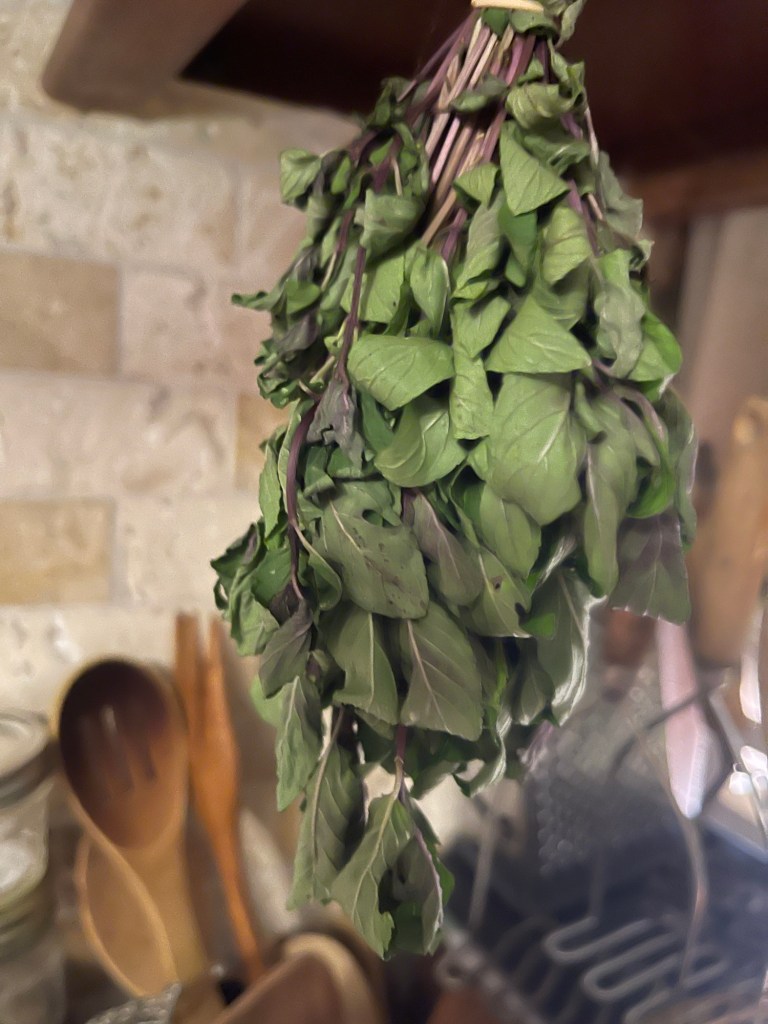
Enjoying the smell of mint drying in the kitchen.

I am also a herbalist, and enjoyed growing our own herbs for cooking, making teas, and also for minor medial problems for years. I also love sharing them with family and friends. The most recent addition to living a cleaner and healthier life, was the decision to become a doTERRA essential oil consultant. I’ve used essential oils for years, and finally decided that I would become a consultant and purchase from myself rather than online markets. This line is the best that I’ve used thus far and it’s also a nice little supplemental income as well. With a holistic lifestyle come lots of questions. The primary questions I am asked are, why and how.

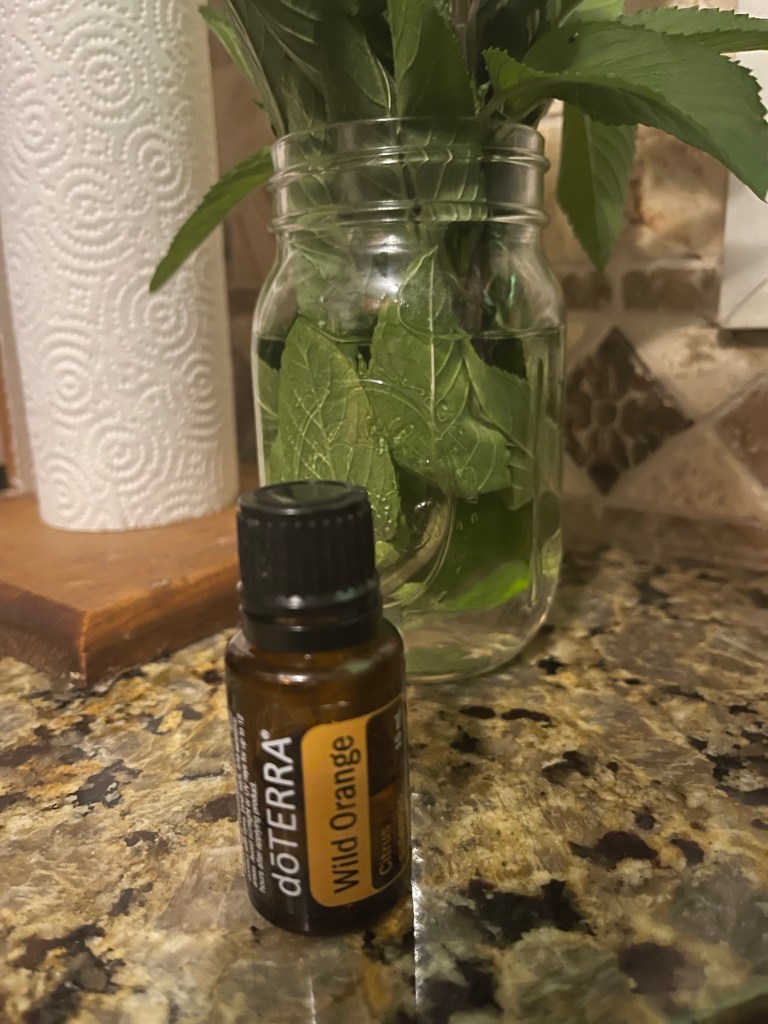
Fresh basil in the background and one of my favorite oils. Orange is very versatile.

The first question is the most common question. What inspired you to lead a holistic life? I always answer that question with a question. Why wouldn’t I? Then I begin to explain I chose this lifestyle for my health, my peace of mind, and simply put, for my life. I also add some details about the astounding amount of research revealing the high level of toxins, preservatives, and additives that basically poison the human body and our environment. These toxins are found in food, fast foods, shampoos, soaps, toothpaste, makeup, perfumes. detergents, cleaning products, air fresheners, candles, and even in our pet’s food. I’ll share another story in a different post of how we nearly lost my canine baby due to additives in what was supposed to be healthy doggie treats. That was a real eye-opener!

I always share one of the most informative books that I’ve ever read was, How Not to Die, written by Dr Gregor. There is so much information revealed within the covers of this book that confirmed my reasons for eating clean, and eating cleaner than I had been eating. His research also solidified my thoughts about why I had been food poisoned by fast food on more than one occasion, why we nearly lost our house dog, and why cleaning products and certain air fresheners lead to smothering and irritated sinuses. He exposes much about how these horrific toxins are actually allowed to be in our foods, pet foods, cleaning products, and even in medicines and vitamins that we think are helping us.

An eye-opening read!!! I encourage anyone who is interested in living a cleaner, more holistic life to read this book!

Secondly, I’m asked if it was a difficult transition. My answer is no. You don’t have to make the plunge and change everything at once. I made changes over a period time with my diet and I did the same thing with household items, hygiene items, and even my car air fresheners. I didn’t see the need to waste products that I already had on hand, so as I would empty an item, I would replace it with plant based, organic, and a cleaner item. First on the list, I would begin eliminating the toxins from my our home and our vehicles. My first elimination was laundry detergent. To prevent waste, after exhausting the last of my stock, I began using organic plant based detergents that didn’t require fabric softeners. There were some products that I had in my home that I could not convince myself to continue using. Those plug in air fresheners were tossed in the garbage, empty or not!

With the various air fresheners gone, I replaced them with diffusers for essential oils to help clean and purify the air and also bring a wide array of wonderful scents into the house. One by one I replaced our cleaning supplies with either organic plant based cleaning supplies or homemade supplies from natural ingredients. It’s quite amazing how many options are on the market and what’s even more amazing is the number of cleaners you can make using essential oils! I’ll share my bathroom cleaner soon! It cleans great, easy to make, and also prevents those toxic fumes that no one likes.

The next change was hair care products and tooth paste. doTERRA made that change easy for me as well. They have a wonderful plant based shampoo that incorporates essential oils, and a fantastic plant/based conditioner, and leave in conditioner that is excellent! I can’t even explain how wonderful my hair feels after using these products! My hair shines so much more than before and it feels less weighted. I also made the transition from usual tooth paste to a clean toxin free tooth paste from doTERRA. I chose this toothpaste simply because I’m a doTERRA consultant, and after trying it… it works! My teeth are clean and white and after reading the list of ingredients in my old toothpaste, it was an easy transition and one that I am happy I made.

doTERRA shampoo, conditioner, and leave-in conditioner. All natural!!!

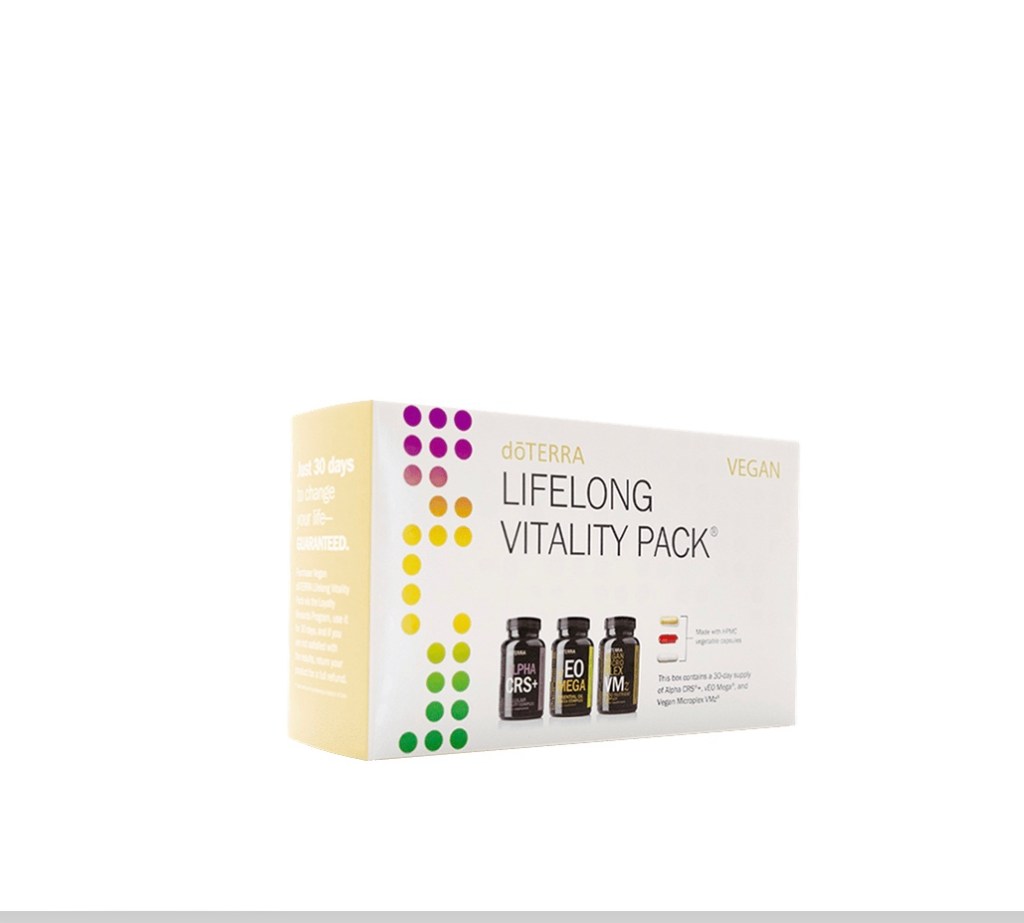
Finally, vitamins was the next item to begin changing. It was easy to switch vitamins with doTERRA. The vegan vitality pack is on my monthly auto order. I love these vitamins as they’re all plant based, no additives, or artificial colors added, and they’re in veggie capsules. Essential oils, homegrown herbs, and homemade teas helps with common cold symptoms, allergies, scrapes and minor abrasions. I could go on forever with the reasons why I chose a holistic lifestyle.

Vitality pack! This was a game-changer! Even though I already took vitamins and had for years… I noticed an immediate change in my stamina!!

I’m asked if I miss fast foods, soft drinks, and what in the world do I do about coffee. Number one, I don’t miss fast foods. As a matter of fact, the cleaner you eat, the less you even want fast foods. My husband and I now prefer food prepared at home ten to one over restaurant foods. I gave soft drinks up over twenty years ago for my own personal health and have never looked back. I’ll be honest, coffee change took a while. It took a little while and a lot of different coffees to find a good organic coffee that I truly enjoyed, but have finally found one that is very satisfying. I have also replaced much of the coffee that I drank during the day and evenings with organic and my homemade teas.

Delicious organic coffee from Amazon!!!

Finally, I’m asked if I feel better physically since making so many changes. Simply omitting meats and dairy from my diet was a game changer with my cholesterol and inflammation. Omitting artificial colors, scents, and toxic preservatives really made a positive impact on my allergies. Plant based vitamins, a good clean diet, and the removal of toxic smells in our home has made a positive impact on my overall health, stamina, and lead to a much more simple life that makes me happy knowing I am doing something to improve my quality of life, my families, and decreasing the chances of disease in our bodies.

Enjoy the simple things that bring joy and support your health. Organic lavender growing near our front door! Love to add to plant butter, cookies, teas, and more.

If you’re interested in holistic living, start slow. Remove one thing at a time. Don’t try to do it all at one time! You’ll become overwhelmed, which might result in giving up. Make one change and allow that change to become a routine. Once you feel grounded and content with that change, make a second change. As you empty or exhaust a supply of one particular item, replace it with a cleaner wholesome item. Read the labels, do the research, do a little soul searching, meditate, pray, and take holistic living one day and one change at a time.

Take time to enjoy the change. One change at a time and you’ll be more likely to stay the course. It’s so worth it!

I hope you’ve enjoyed this post. Feel free to leave comments. I enjoy reading comments and answering questions. For now, God bless from the mountains of Kentucky! Happy Fall!!!

Canning Our Favorite Pickle Relish

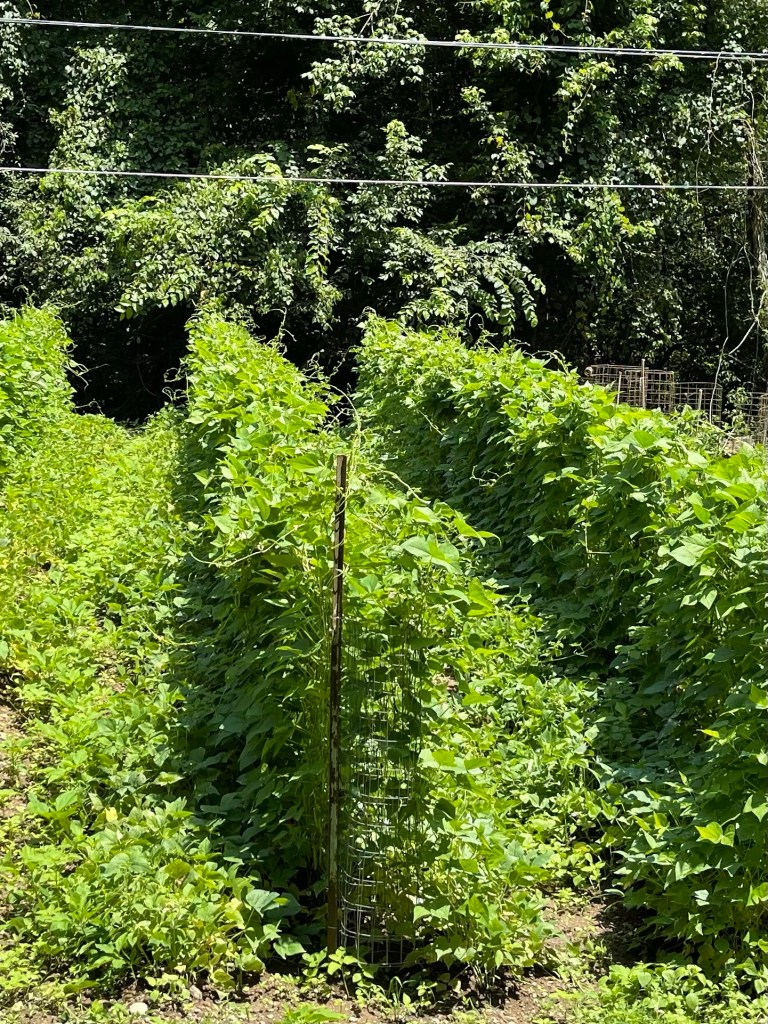
It’s bean picking time in the mountains!

Good morning, from the mountains of Kentucky. I hope your Saturday is off to a wonderful start! It’s been a busy day already for our household. Early morning prayer and meditation with our Heavenly Father, devotion, and studying His word and enjoying fresh perked coffee. God is so good. I love seeing His fingerprints on the small things in our lives as well as the big things. We are truly a blessed people. As you can see from the picture above, it’ll be bean picking time this week!

A larger pot of spearmint grown primarily for mint water and teas.

I was amazed to see so much new growth in the mint garden this morning. I created a weak mint tea from teabags yesterday and generously watered both the peppermint and spearmint. Wow! This morning both mints were strutting and showing off lots of new leafs that were healthy and shiny. Don’t throw away those used teabags or tea that might be out of date. Create your own fertilizer that is a rich organic treat for your herbs. I’ll try to make a post later about the uses of tea in the garden. Now, let me share our favorite relish recipe with you!

So, for this delicious pickle relish you’ll work in two a two complete this relish in a two day setting. You’ll need the following ingredients for day one;

Day one:

  • Two or three gallons of fresh cucumbers washed and dried.
  • One medium yellow/sweet onion.
  • One small red bell pepper washed and dried.
  • One tablespoon of salt.

Process for day one; dice cucumbers, yellow onion, and bell pepper into very small diced pieces. Put in a bowl that has a lid. Sprinkle the tablespoon of salt over the veggies and gently toss. Put in the fridge over night.

Day two:

Wash and sterilize pint jars, rings, and flats. Allow them to drain and dry on a clean towel. If you use the dishwasher to sterilize you can bypass this step. Next, remove the veggies from the fridge. Line a colander with either cheesecloth or sturdy white paper towels. Put the colander in the sink bowl and pour the veggies into the lined colander and drain well. You may use additional paper towels to blot and gently squeeze the veggies to help remove the excess liquid. Allow veggies to sit and drain while you make the brine.

For the brine you will need the following ingredients;

  • Three cups of distilled white vinegar
  • One cup of water
  • 1/4 cup kosher salt
  • 1/4 cup white sugar
  • 1 1/2 tablespoons diced garlic
  • 1 1/2 tablespoons of mustard seeds
  • 1 1/2 tablespoons of course black pepper
  • One tablespoon turmeric
  • A couple sprigs of fresh deal
  • One teaspoon of dried dill weed

Combine the ingredients above other than the fresh dill along with the diced veggies in a large pot. Bring slowly to a boil. Reduce heat and simmer on low for ten minutes. Put a little fresh dill in the bottom of each jar and then add the relish mixture to clean jars. A funnel makes this process easier and less messy. Wipe the rims of the jars and add the flats and rings. Place jars in water bath canner with the water covering the lids. Bring the water to a hard boil, and set timer for 10 minutes. Turn the stove off when ten minutes has passed, and remove jars with a jar lifter. Set them aside on a folded towel or cutting board and listen for that wonderful pinging sound to assure you that your jars have sealed. Once the flats have cooled, write the date on them with a permanent marker.

I hope your family enjoys this relish as much as we do. We add it to chili dogs, hot dogs, and hamburgers. My husband loves it on beef burgers and I love it on plant based burgers! Using organic ingredients creates an even tastier and healthy choice for dishes. You may also add a jalapeño in the diced veggies to create an extra spicy relish. Both are a great addition to your summer dishes! This relish is also quite tasty in potato salad or egg salad. Experiment and feel free to let me know you how used this recipe.

Feel free to leave comments or ask questions. I love to hear from my readers. God bless from the mountains of Kentucky.

Five Organic Gardening Tips

Quote of the week:

Garden work is satisfying to the body and soul, as is the harvest.” ~Dr Bowling

Hello, from the mountains of Kentucky! I hope you’ve been blessed with awesome weather for your gardens! It’s been very dry in the mountains. Our garden is growing and we’re picking, but a lot of hard work has been involved with watering by hand through the month of June. Needless to say, we’ve decided to invest in ground soaking hoses that will water the ground when we want it, or as we need it. For a garden of our size, I’m not sure why we hadn’t already thought about this. I’m often asked questions about the difficulties involved with organic gardening. So, I decided to share five organic tips that can beneficial for your garden at this time of the year.

Love eating from the land… even though it’s a lot of hard work. Our garden early in the year!

Tip One: We’ve also dealt with low calcium in the soil through this very dry beginning to summer. So, through research and back work, we’ve added ground organic oyster shells to the soil around the squash and zucchini. As well as eggs shells and diatomaceous earth. Thankfully the rotting squash and zucchini have come to a stop and we’re back to picking our fill and then some of both fruits!

A few of the straight neck summer squash from our garden.

Tip Two: to add a little extra fertilizer to our herb garden, I’ve been saving organic tea bags and reboiling the bags for a weaker tea and watering the herbs. This is a game-changer for herbs. My favorites are chamomile, mint, and black tea. The plant feed on the rich antioxidants, and the the tea bags are added to the garden as the bags are biodegradable. We add the spicy cinnamon black tea bags around the garden for an additional deer repellent.

Nothing better than fresh herbs to cook with.

Tip Three: in the battle against those pesky beetles on beans, cucumbers, and squash plants. In a spray bottle we mix a spray of 10 drops of lavender essential oil, 10 drops of peppermint essential oil, and 10’drops of citronella essential oil, with a tsp of organic plant based dish detergent. Then fill the bottle with water. This makes a great spay to repel all kinds of munching little friends. We also dust our plants with organic food grade diatomaceous earth for an extra layer of protection.

Tip Four: adding a little potassium to tomatoes while repurposing banana peels. A lot of bananas are consumed at our house. I eat two a day most days. I love organic bananas for oatmeal, baked oatmeal, and as a snack and frozen ones in smoothies. So I’ve learned that not only roses like bananas, do do tomatoes in the form of a tea. To make tea, keep a pitcher of water in the fridge. The pitcher should be about half full to allow for room as you add banana peels. Once you’ve peeled the bananas, add them to the water. You can cut the peels, but don’t have to. There’s no need to cover the pitcher. After a week, take the bananas out and add one part banana tea to five parts water. Use this transit the base of tomatoes. It provides potassium to the soil. This will help produce stronger roots, stems, and great fruit. Banana tea can also be added beside of pepper plants as well.

Banana peel tea.

Tip Five: Begin saving egg shells a couple of weeks prior to planting tomatoes. When it’s time to plant, place an egg shell in the hole before putting the plant in the ground. Egg shells are loaded with calcium and will feed the soil at the roots of the tomatoes and help prevent blossom rot and what some of the old timers called, the blight.

I hope that you find these tips helpful and you have success with your garden this year and for years to come. Feel free to leave comments or ask questions. I love to hear from my readers. Well, it’s time to go pick a while and reap the joys of our labors. God bless from the mountains of Kentucky.

Harvesting Mint for Teas

Good Morning from the mountains of Kentucky. I hope your morning is off to a great start on this beautiful Saturday. We’ve been hammered with extreme temps this week, so today’s high seventies is a welcomed relief. It’s that time of year when the garden needs to be hoed, the weeds need to be pulled, herbs are coming in like crazy, and the harvesting and drying have begun. I took advantage of the cooler temps this morning to prune my herb garden, which desperately needed a trim. I like to trim my herbs in the early morning hours while the dew is still on the ground, and clinging to the leaves. I also like the cool temperatures as it is easier on me and on the herbs.

This is about a fourth of our vegetable garden.
Spearmint for teas and salads.

I have been enjoying mint-infused water this summer, and quite a bit of mint tea. I have already dried two cuttings of various types of mint, as well as other herbs. They’re carefully tucked away in my kitchen herb cabinet in glass jars in the kitchen. Glass jars with air-tight lids are the best method of storing dried herbs. I have had several questions about how I harvest mint. It’s actually quite easy. As I mentioned above, I trim herbs before they become leggy. Trimming herbs actually causes the herbs to take on a more bushy consistency.

Lemon balm for cooking, teas, and health.

As I trim the mint, I place the fresh-cut mint on large cookie sheets lined with a white paper towel or butcher paper. This allows me to keep the mints separated and labeled if necessary. I rinse the mint to ensure there are no ticks or other small pests. While the mint is draining in the sink, I inspect the mint for the best leaves. I try to pick the mint that is void of holes where insects may have nibbled, dark spots, or any other imperfections. I gently pat the leaves dry and place them on a clean, lined cookie sheet and place them where they are not in direct sunlight. It doesn’t take as long for the herbs to dry with this method.

Chocolate mint tea drying in the kitchen.

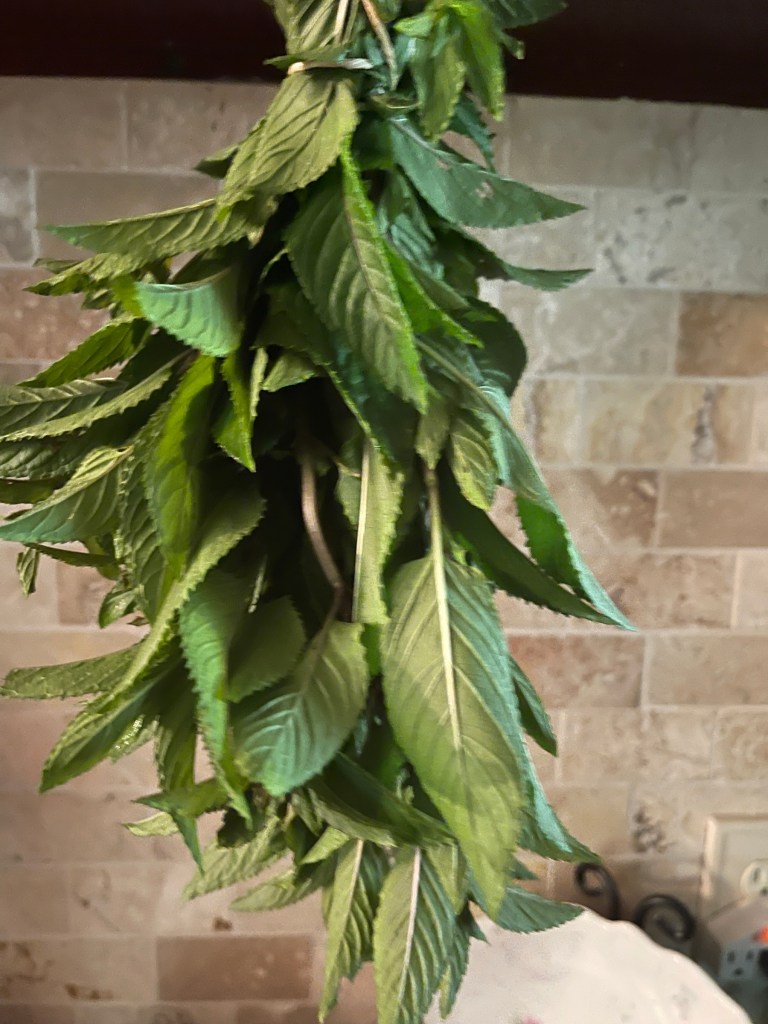
A second method I use is to follow the above steps, except do not remove leaves from stems. I pat the stems of aromatic leaves dry, gather the mint into a bunch, and wind cotton twine around the stems to tie the mint in a bunch to hang dry. I hang the mint in an area that is not directly exposed to windows or sunlight. It takes a little longer for the mint to dry by this method, but it allows you to harvest the stems as well as the leaves, while also filling the kitchen with a nice fresh mint aroma.

Once the mint in the tray is dry, you may either crumble the mint and add the mint to the mint jar or simply store the leaves in the jar. I use both methods. I like the crushed mint for baking and the whole leaves for tea. You may use either method of storing the dried bundle.

Chocolate mint leaves drying for tea.

A second question that is often asked is; what type of mint do you grow? To answer that, I respond as much as possible. Then I elaborate and explain that I grow peppermint, spearmint, chocolate mint, apple mint, lemon mint, and strawberry mint. I always reply that spearmint and chocolate mint are my favorites.

Finally, the third most asked question is; how do you make your tea? I tell them that I enjoy iced teas and also hot teas, depending on my mood and seasonal temperature at the time. For hot teas, I will typically place an organic black tea bag in my cup, put the water on to boil, choose the flavor of mint I want to have in my tea, and then add the mint to my tea ball. Once the water has reached the right temperature, I pour the water into the cup and allow the black tea and mint in the tea ball to steep for three to four minutes. I add a tiny bit of organic agave to the tea, stir and enjoy. You may add milk if you like your tea milky. I occasionally add almond milk or oat milk to mine.

Small jar of dried chocolate mint.

For cold tea, I boil enough water for a quart jar. I add two black tea bags, and if you like green tea, you can add green tea bags instead of black. I also add a larger tea ball filled with my choice of dried mint or even a mix of mints. Allow the tea bags and the tea ball to steep for forty-five minutes to an hour in the glass quart jar. Stir occasionally, and once the tea has darkened and cooled, you can pour tea over ice and add a little lemon, agave, and fresh mint leaves. This is an awesome drink, that is refreshing, full of antioxidants, and tastes great!

Tips of the week: you can pot various types of mint in flower pots to prevent the mint from taking over your garden, or if you have the room, you can isolate each type of mint in separate herb beds. Mint has a way of being intrusive and will quickly take over and can smother other herbs out. I like to do both pots and beds. My second tip is; as you know, I am a doTERRA essential oil consultant and recently I discovered that one drop of peppermint essential oil takes my peppermint tea to a totally new level. One drop of spearmint essential oil can be added to spearmint tea as well. Do not add essential oils from typical over-the-counter, or aromatherapy blends. doTERRA oils that are identified as supplemental can be added for internal use and wonderful internal benefits.

Lavender awaiting plant butter, teas, or cookies.

I hope that you’ve enjoyed learning about how I harvest mints for teas. I encourage you to grow mint, as it is probably the easiest herb to grow. It is also a very versatile herb that can be used for bee stings, headaches, bruising, as a natural pesticide, and also baking and delicious teas. Comments, ideas, and questions are welcomed. For now, God bless, from the mountains of Kentucky. Remember, God has given us an abundant supply of plants that will help sustain us.

Teatime Treasures

Good Morning, from the mountains of Kentucky. I hope your week has been filled with happiness, good food, family, and lots of sunshine. We’ve gone from 70 plus degree temperatures to forties within a few days and now, we’re expecting up to six inches of snow for the weekend! March weather in Kentucky is always full of surprises.

I love a good surprise! One my favorite kind of surprises comes from thrifting! When you thrift, you never know what you’ll find. I have found thrifting to be a therapeutic hobby, and a lasting tradition in our family for generations. When I grew up in the mountains of Kentucky, spending time with family was a priority. We found joy in things that we loved to do whether it was congregating for a big family dinner, attending a special church service, gathering on my Mamaw’s store porch to catch up on the events of the week, working the gardens, or thrifting at the dime store.

A Hidden Gem

I am a bit of a creature of habit. I love many of the old traditional dishes from my youth, but I also love trying new dishes. However, I find it a bit of a struggle to change a timeworn tradition. As a child it was a tradition to go to the dime store on Saturday mornings. The dime store was what we called the second hand mission store where everything cost a dime. My cousin, and I, would load up with our grandmother, great aunt, and uncle who was the designated driver. Neither my grandmother or grandfather ever learned to drive, but they never planned a trip that didn’t include a family member who enjoyed driving them. It was an exciting time as kid to hold those well earned dimes in our hands and dream of the treasures that awaited us.

As time passed thrifting wasn’t as much of an interest for us as teens. But, what most of us discovered is that the love of thrifting never completely left us, but lay dormant waiting for just the right time to surface. Since the days of our youth in the late sixties and early seventies, dime stores have grew in popularity. They’ve become the stores to find retro clothing, farmhouse decor, and much more. The prices have increased from everything being a dime to various different prices, depending on the store. But the love of searching for treasures remains the same and for many a way of carrying on a mountain tradition.

Redbird Community Store in Beverly Kentucky

Our daughter, daughter in law, and two of our granddaughters share a love for this time worn tradition. We enjoy a couple of days a month browsing vendors malls, GoodWills, estate sales, mission stores, and flea markets. There’s something about searching the shelves that are filled with dishes, glassware, odds and ends, baskets, and bins of household goodies, shelves of books, and racks of clothes, that brings an element of excitement and unity. We’ve learned that the joy lies not only within the findings, but also in the search and spending time with family.

I’m excited to begin sharing weekly treasures with you! I’ll share just a few of the treasures we found, but it would be impossible to share them all. The picture below is one of my new favorites! This absolutely gorgeous hand embroidered and crocheted table runner was definitely a score for only 1.25. Once it is washed and pressed, it will adorn the fireplace mantle in my bedroom. Based on the material and research, it appears to be an early 1950’s piece. Whoever made this treasure, really put a lot of tender loving care and obvious heart into the intricate details. It’s also in excellent condition.

A gorgeous hand crocheted and embroidered table runner.
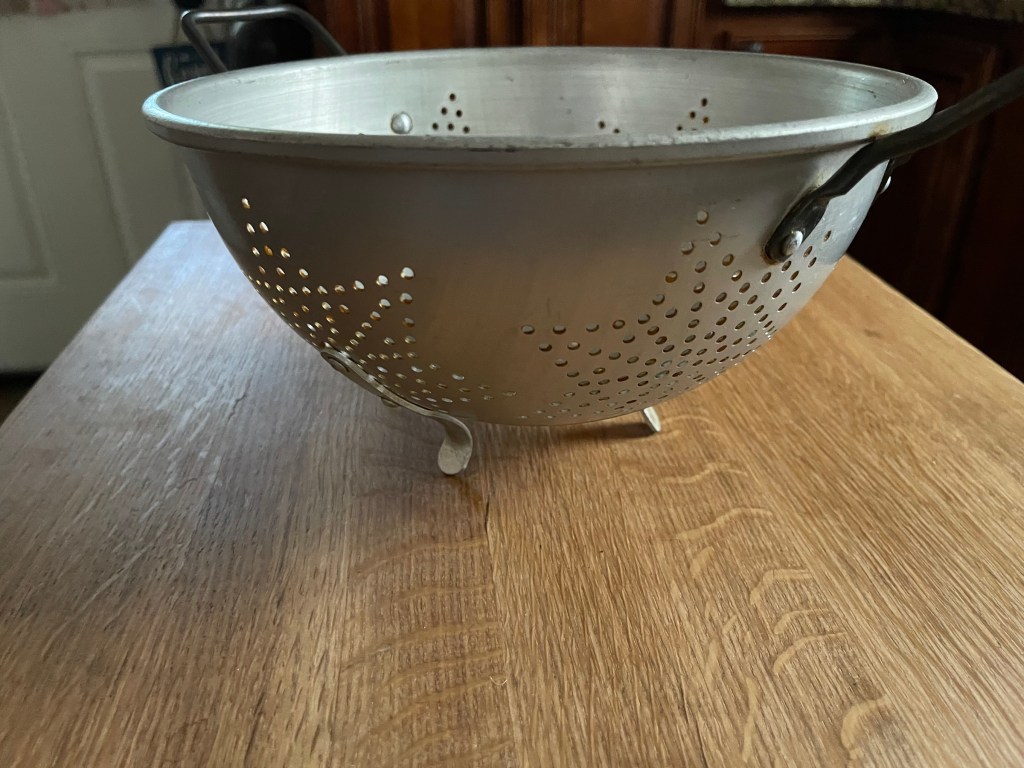
Seven Star Vintage colander

I also found an aluminum seven star vintage colander. It didn’t look like much when I pulled it out of the bin, but after cleaning it up… it was in excellent condition. It has been housing bananas in our kitchen, and I’ll be honest, I’ve enjoyed using it as well. There’s something about the simplicity of its lightweight design that makes straining foods easy. Truly another great find that has stood the test of time. I’m not sure about the date, but I’m still researching and will update you later.

I’m truly a nerd at heart. I love to strap on my vintage apron, and cook barefoot in our kitchen while using some of my thrifting treasures. I like to imagine who’s kitchen the sifter or crock came from. I like to imagine their homes, their faces, the dishes they’ve prepared, and wonder what their lives were like and what their names may have been. I also enjoy decorating with vintage utensils, crocks, linens, and other tried and true treasures.

Thrifting is a year-round hobby, that brings joy to my heart, keeps a tradition alive, and family time well spent. We found an abundance of treasures on our last thrifting spree. I’ll share more teatime treasures next week. For now I’m going to relax with a cup of sweet and spicy hot tea and enjoy re-browsing our treasures. God bless from the mountains of Kentucky!