Sourdough Tortillas

Hello, from the mountains of Kentucky! I hope your February is going well! It’s hard to believe that we spring is so close! Where does the time go? So, I recently started a new journey on the homestead. Our daughter was always the only sourdough baker on our homestead… until she gifted me a starter of sourdough. My initial reaction was that I did not have time to babysit this starter. I thought I would forget to feed it and it would die. I wasn’t sure that I wanted to learn a new process of bread baking. Well… I was wrong on all counts.

I discovered that I have a few minutes each day to discard from the starter and feed the remaining starter. It wasn’t a very difficult process to fall into routine with. What I didn’t realize was that each day I would have the gift of the sourdough discard to do something with. I didn’t realize that I could make pancakes, muffins, breads, cakes or gift it to others. I also learned that I could save my discard in the fridge, and I learned to make tortillas with it! This sourdough starter turned out to be the gift that keeps on giving. Let’s get started with making sourdough tortillas!

INGREDIENTS:

  • 1 cup of sourdough discard
  • 3 cups of unbleached all purpose flour
  • 1 1/2 tsp. Salt (I use organic pink fine Himalayan salt)
  • 1/4 cup extra light extra virgin olive oil
  • 3/4 cup warm filtered water (70 – 75 degrees)

Add the ingredients in a large glass bowl. Mix with either a large wooden fork or with your hands. I prefer to work the ingredients into dough by using my hands. I find working dough with my hands to be a satisfying experience. Once all the ingredients are in the bowl, work the dough into a ball. Knead and stretch the dough and fold it several times.

When the dough is no longer shaggy and feels soft to the touch, put the dough on a floured parchment paper, or floured surface. Work the dough by kneading it a few more times. Cut it into six pieces then divid each of the six to make twelve total balls of dough.

Next, heat a skillet over medium heat until it very hot. I used a ceramic coated cast iron skillet to fry the tortillas in. It worked fine. While the skillet was heating on medium heat, I rolled each of the six pieces of dough into small balls. I floured the parchment paper and then rolled one ball at a time until I reached the desired size and depth of each the tortilla.

Rolling the small balls of dough for tortilla.

I fried each tortilla for approximately one minute on each side. I adjusted the heat of the skillet after about six of the tortillas to prevent burning the bread. The tortillas fried equally as fast as the first tortillas as the skillet remained hot.

I used unbleached coffee filters to separate the warm tortillas. I had a box of the filters I had purchased that are too large for our coffee pot. So instead of wasting them, they acted as a great vessel to prevent the tortillas from sticking to each other. Once all twelve tortillas were fried, I allowed them to completely cool and then stored them in a gallon zip lock bag. The tortillas can also be stored in a large bowl with an air tight seal. The second time I made tortillas I did not use the coffee filters to separate. Instead, I stacked them and wrapped them with a clean cotton dish towel. Once they were all fried, I wrapped the stack of them in wax paper and put them an air tight container. Both ways worked well.

We have used the tortillas as wraps, to dip hummus with, and for fajitas. One thing to keep in mind is the taste of the tortillas do not take on a strong taste of sourdough unless you let the dough rest for several hours prior to rolling and frying. Allowing it to stay covered for several hours ensures the starter/dough ferments. If you make the tortillas as soon as you mix them, there will be a slight sourdough taste on the backside of each bite. If you rest the dough, the tortillas will have a strong sourdough taste. Either way, they’re delicious!

I hope you and your family enjoys this recipe as much as we do. The temperature is frigid in the mountains today’ it’s a low 25 degrees this morning. Knowing that it’s 29 days until spring makes me happy! I’m ready to get out and work in the gardens. Don’t forget to head over to our podcast, Homesteading in the Mountains, on Apple Podcasts. God bless from our homestead! Feel free to follow, like, or comment!

Gluten Free Plant-Based Carrot Cake

Hello, from the mountains of Kentucky. Snow still covers the ground on the homestead. While it has melted in a lot of places, it lingers here. Our farm lies down between two mountains resulting in us being behind the north side of the mountain. Our farm is located in what Appalachian people call a holler! We don’t mind it… I can’t imagine living anywhere else. Our homestead is the property in the end of the holler. No one above us, in front of us, or behind us. We love the privacy and lack of a of seeing traffic passing by. We have one neighbor who can see the lower end of our land, which helps with insurance and to keep an eye on our property if we’re gone. All that being said, I am excited to bring a new recipe that is gluten free, dairy free, and vegan it can easily be changed to non-vegan as well.

I was challenged with creating a dessert for our daughter’s birthday, that our youngest grandson could eat. He has recently become gluten and dairy intolerant. He tested negative for celiac disease and allergy tests are scheduled to help diagnose the problem. Until an official medical diagnosis is made, we’ve strived to remove both dairy and gluten from his diet, as this is what seemed to give him the most trouble. Our efforts seem to be working. We also discovered while on this gluten free journey that many spices contain gluten. I have used organic spices for years and was happy to learn that the majority of organic spices are gluten free. However, we must always read the labels to be for sure. With all that being said, I am excited as we move forward to post gluten free recipes that are also dairy free and vegan in upcoming posts. Here we go with a first, which was a huge success! Carrot Cake!!!

Cake Ingredients:

  • Egg substitute equaling 4 eggs ( I like just egg)
  • 1 1/2 cups of organic cane sugar
  • 2/3 cup of organic light brown sugar
  • 2 tsp of pure vanilla extract
  • 1 cup of melted organic unrefined coconut oil
  • 1/2 cup of sweetened almond milk with a tsp of organic white vinegar (you may sub for buttermilk if not following a plant based diet)
  • 1/2 cup drained crushed pineapple in pure juice no sugar added
  • 2 tbs of pineapple juice from pineapples
  • 2 1/4 cup of gluten free King Arthur’s organic flour (may sub for all purpose flour)
  • 1 1/2 tsp good quality non caking baking powder
  • 1 tsp non caking baking soda
  • 1 tsp organic cinnamon
  • 1/4 tsp organic ginger
  • 1/4 tsp of organic nutmeg
  • 1/2 tsp non caking salt (I like pink Himalayan)
  • 2 1/2 cups finely grated organic carrots
  • 1/2 cup organic pecans finely chopped (optional)
  • 1/2 cup choice organic raisins (optional) I like dark raisins but you may use golden

Frosting Ingredients:

  • 3 cups sifted organic confection sugar
  • 1 stick (equals 1/2 cup) of Country Crock plant butter
  • 8 ounces of organic plant based cream cheese (I like the Simple Truth brand)

Ingredients can be substituted for non-vegan cake.

Process:

Preheat oven to 350, spray and line a 13×9 glass baking pan with unbleached parchment paper. Mix vinegar into milk and set aside. Mix sugar, eggs or egg substitute, oil, vanilla, pineapples, milk, and juice. In a separate bowl mix dry ingredients and then fold the dry ingredients into the wet ingredients. Fold in the carrots, pecans, and raisins. Gently stir and when well mixed pour into the prepped cake pan.

Gently tap the pan of batter on the counter top to decrease air bubbles. Bake on the middle rack. Bake for forty minutes. Due to difference in oven temperatures test at 30 minutes with a skewer for doneness. If the skewer comes out clean, the cake is done. If the cake is not ready, return to oven and check again at 35, etc. Bake until the skewer comes out clean when resting for doneness. I baked in a Pyrex glass baking pan, which is thicker. My cake was done at 42 minutes.

Unfrosted cake

When the cake is baked, set it on a cooling rack. Wait until cake is completely cool before frosting. While the cake is cooling, make the frosting.

Process:

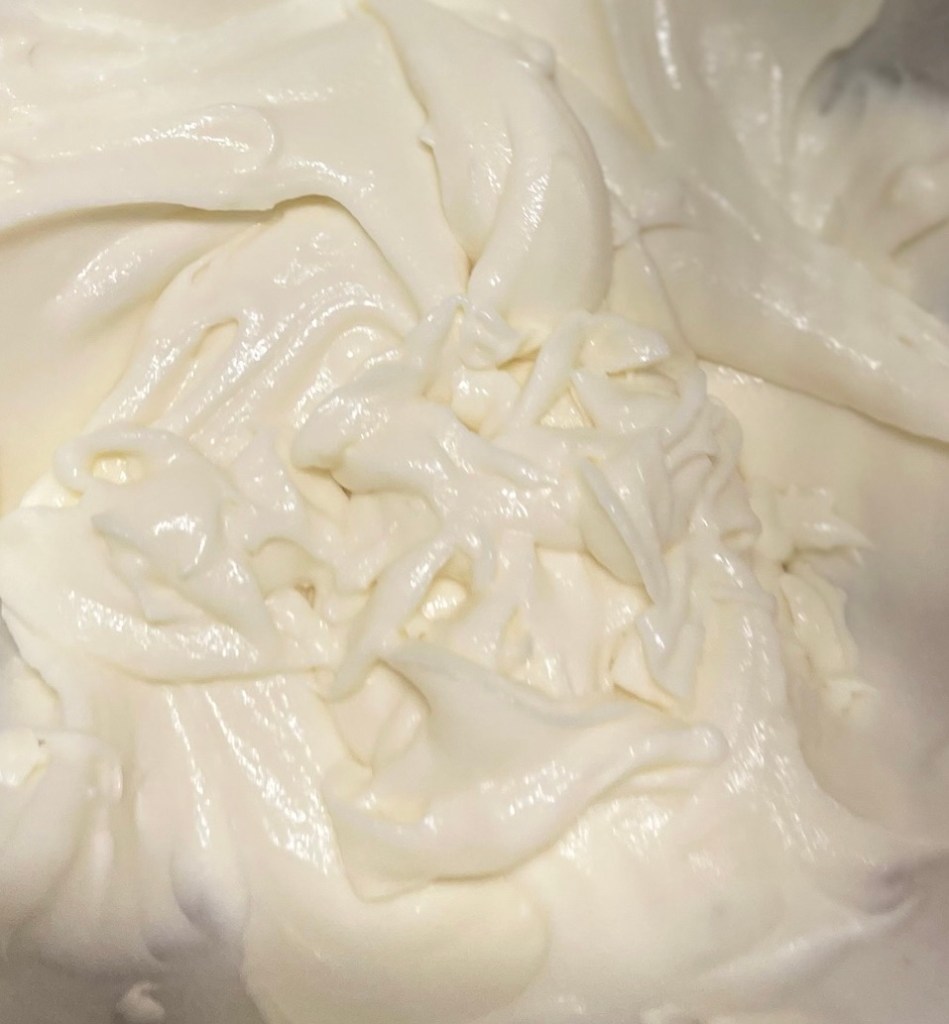
Mix room temperature plant-based butter, room temperature plant-based cream cheese, and three sifted cups of confection sugar on slow in a stand mixer. Once the sugar is incorporated, speed the mixer up to create a fluffier frosting.

Frosting is ready for the cake!

When the cake is completely cooled, using a rubber spatula, frost the cake. (Optional) Sprinkle chopped pecans over the top.

Top of frosted cake. I didn’t add pecans to the top.

I was amazed how creamy the frosting turned out. It is smooth, creamy, and tart enough to be delicious. The frosting didn’t have a phony taste like store bought frosting often has. I couldn’t wait to taste the cake after it was frosted. I actually didn’t wait until our daughter’s birthday dinner. I tasted the corner of the cake and was super happy with the results! I explained to her why a tiny little piece was missing from one of the corners. She understood and said she would’ve done the same.

Plant-based gluten free carrot cake.

The cake was a success! Everyone enjoyed it and loved the addition of the raisins. I had additional chopped pecans for those that wanted to add nuts to the top of their cake. The moisture level was off the charts! Had I not told everyone the cake was non dairy, plant-based, organic, and gluten free, they would have never known. Eating healthy doesn’t mean that you have to scrimp on taste.

I hope you and your family enjoy this cake as much as our family has. It is a great sweet treat for evening coffee, after dinner dessert, or even a breakfast treat. For now, God bless from the mountains of Kentucky. Feel free to like, share, subscribe or comment. If you’re enjoying our recipes and adventures in homesteading, go check out our podcast, Homesteading in the Mountains on Apple Podcasts. Have a wonderful week and weekend!

My Top Ten Herbs (Part Six; Rosemary Recipes included)

Hello from the mountains of Kentucky! I hope your Thanksgiving was amazing and your Christmas will be even better. It’s been busy in our little part of the world as we finish our Christmas shopping, and decorating for our family celebration as Christmas is only days away. With preparing for the festivities I decided to bake some rustic herb bread using two of my top ten herbs, rosemary and thyme. I love experimenting and trying new flavors, new breads, and new recipes. I am excited to share a few of my favorite recipes and uses for my sixth favorite herb in my top ten posts, Rosemary. But first a little information about Rosemary.

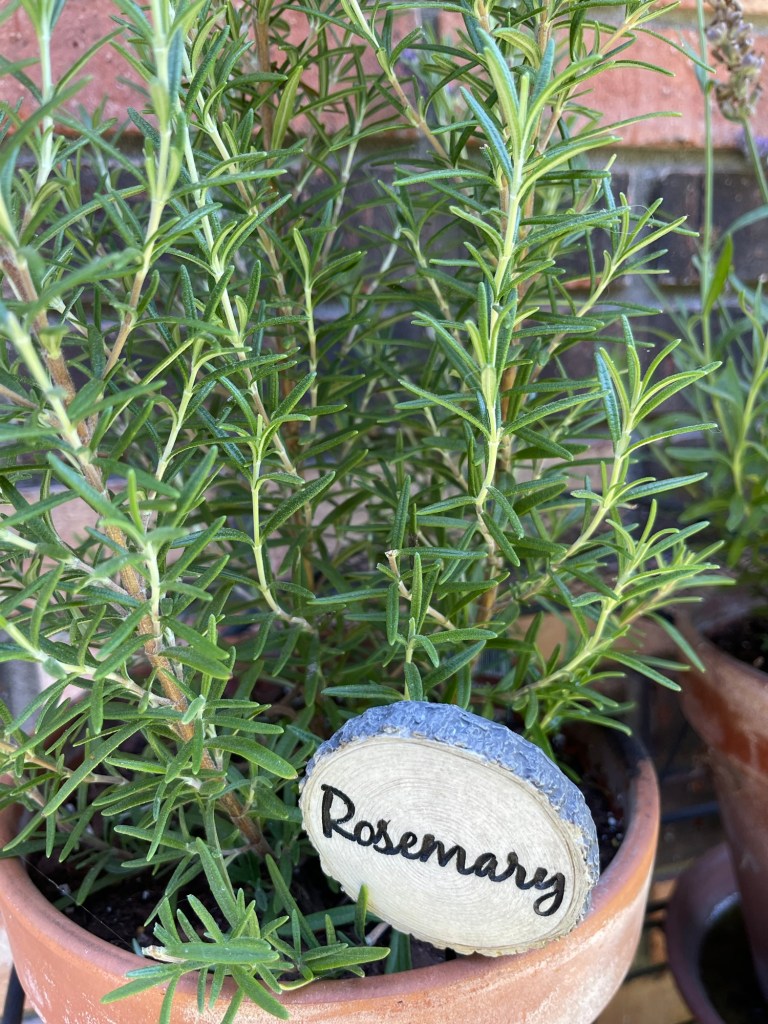
One of our smaller pots of rosemary .

Rosemary is an evergreen type of perennial herb that derives from the Mediterranean region. It is reasonably hardy in cooler temperatures as well. I usually pot some each year for quick access for recipes. I also grow several plants in our raised bed that winters over very well as we cover our bed during the winter months. It is easier to start the plant a plant than from a seedling. Rosemary is difficult to start from seed, but not impossible. This aromatic plant also withstands drought quite well. Keeping the rosemary pruned prevents the plant from becoming woody and stiff. Pruning will also help the plant to become more bushy and promote new growth.

Rosemary is a member of the sage family. It has a wonderful aroma that unique and pleasant. It flowers in the summer, but can flower more often in warmer climates. The flowers are small and light pinkish or white blooms. The height of this woodsy plant can vary in size, depending on the location and the amount of pruning. It’s fairly easy to grow, dry, and store. Its aromatic needles have many culinary and medicinal uses as well as uses for personal hygiene. Let’s get started with a few ways that we use rosemary on the homestead.

Rosemary can be used fresh or dried. I dry my rosemary by pruning the plant and washing the sprigs well to remove soil and possible insects that might be hiding. Gently pat to dry and place the herb on a white cloth in a shallow pan. If I have a larger amount, I add the herbs to my hanging rack, which hold much more. Place the herb away from direct sunlight and leave to dry until the sprigs are crisp. I store my dried rosemary on the stems in quart jars and strip the leaves as I need them.

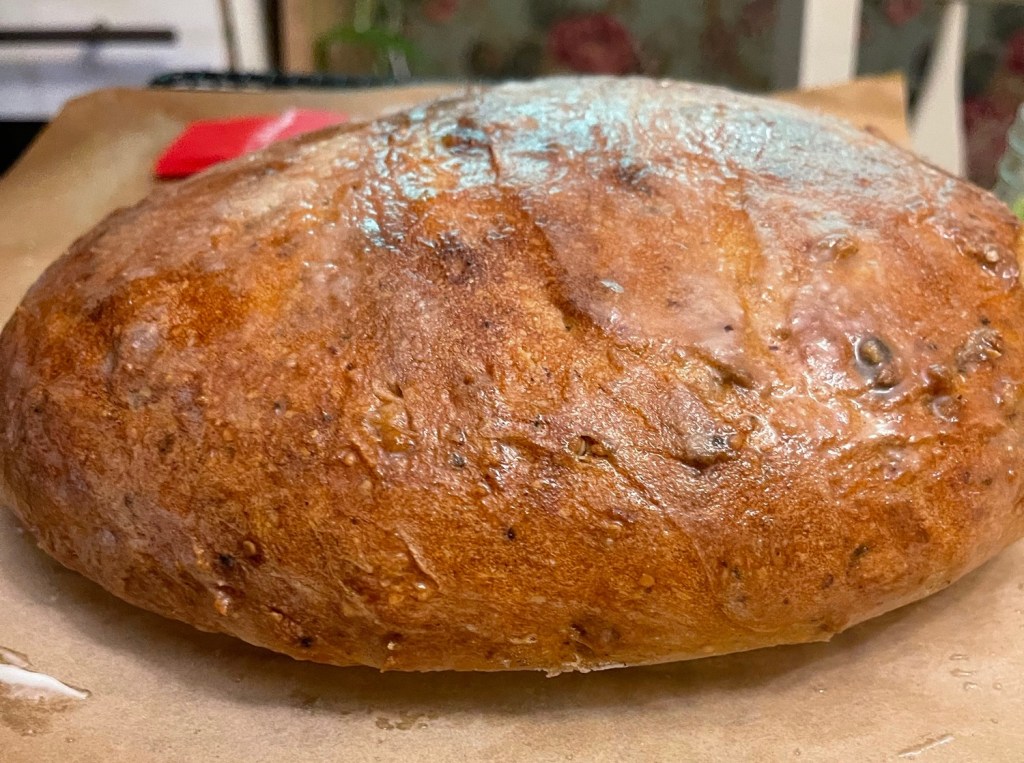
One of my favorite recipes for dried rosemary is my crusty herb bread. A small amount of this delicious crusty bread packs a punch of flavor. I use the following basic bread recipe Give Us This Day Our Daily Bread: Homemade Crusty Vegan Bread and add a tablespoon and a half of finely chopped rosemary and a tablespoon of dried thyme finally chopped as you add the seeds. The dried herbs work great as they are already dried and do not add any moisture to the bread as fresh herbs have the potential to do. This delicious bread is great toasted with most any Italian meal, or toasted to use as a dipping vessel for red pepper hummus. The possibilities are endless.

Seeded herb bread

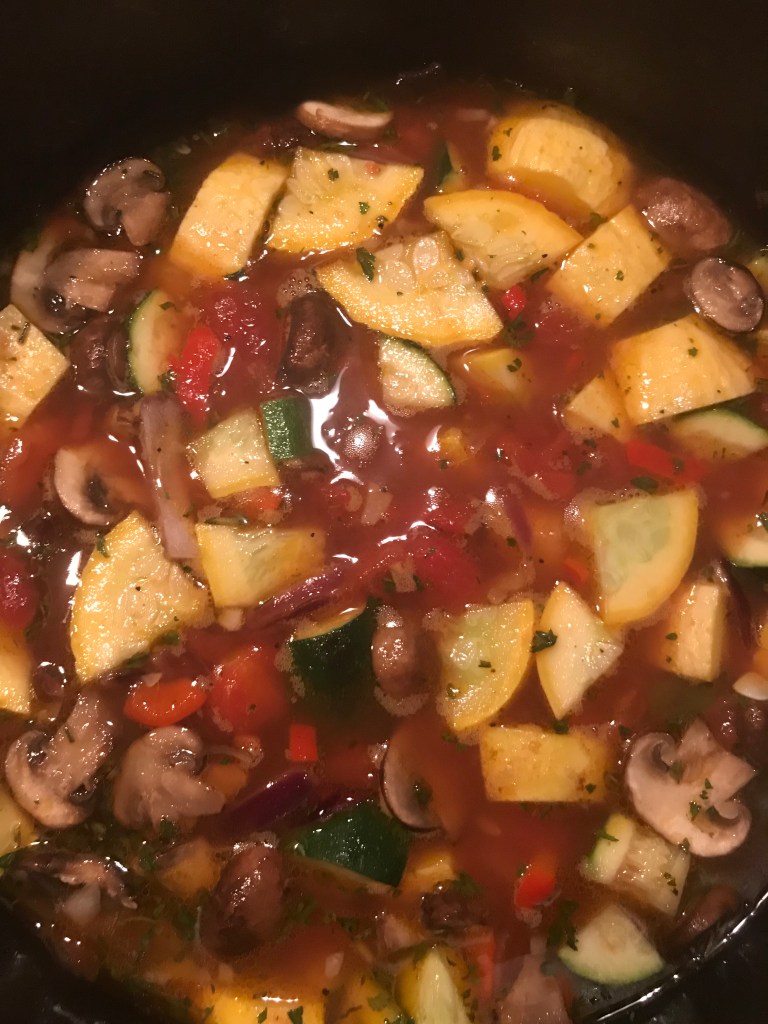
A second recipe that includes rosemary is our clean vegan summer squash soup. It is delicious year round, but tend to enjoy it most early fall or in the summer months when summer squash is at its peak. The following link will take you to this light , yet hardy soup. The herb bread above is a wonderful addition to this delicious soup. Clean Vegan Summer Squash Soup I also like to melt a slice of plant based provolone cheese on the herb bread for a little extra rich taste.

Summer squash soup

Rosemary makes a great flavoring for salt as well. This is an easy way to preserve the final sprigs of rosemary of the season and make a few stocking stuffers or gifts for those who love to cook with herbs. This delicious recipe can be prepared several ways, but my favorite is simply equal parts of fresh-cut rosemary and course kosher salt. Strip the leaves from the rosemary and add salt, pulse the mix in the food processor 8-10 times or you may use a spice grinder. You may also substitute the kosher salt with course sea salt. Pink Himalayan salt can also be used, but the shelf life doesn’t seem quite as long.

Once you add the fresh rosemary with the salt and grind set it aside on a parchment lined pan for about six hours to air dry. Add to a jar with a lid. Keeps indefinitely. Another method is to use dried rosemary pulsed in the spice grinder until desired consistency is achieved and add the mix to the preferred salt. This eliminates the drying process with fresh rosemary. Using this method allows you to use the salt immediately as the rosemary is already dried. Rosemary salt is a great addition to tofu scrambles, soups, and potatoes. For those that don’t follow a plant-based diet rosemary salt is great on eggs, pork, chicken, or lamb. The possibilities are endless. The ratio of salt to rosemary can be modified to taste.

I like to hand chop the rosemary. I’m a bit old-school.
For this recipe I used 1/4 chopped rosemary.
Shake the rosemary salt before each use to ensure it is distributed evenly.

Finally, rosemary has been thought to be a nourishing herb for strengthening and thickening hair. Rosemary can also be used in a variety of ways cosmetically. However, hair care is one of our favorites. Sprigs of dried rosemary can be added to a spray bottle of filtered water for rosemary water that can be sprayed daily on hair dry or damp hair to promote thickening and shine. Using dried herbs helps prevent mold from gathering in the bottle. I also prefer to use amber glass spray bottles. The dark color helps preserve the water and protect it from sunlight while also helping to eliminate plastic. Once you add the sprigs of dried rosemary to the water, allow it to sit for at least a week to intensify the aroma and the water to absorb the nutrients from the herb. Use as a refreshing spray to your hair, scalp, or skin.

Rosemary oil can be made from dried rosemary as well. Using throughly dried rosemary, add the sprigs to a glass bottle of oil. I prefer organic fractionated coconut oil for topical use. Seal the bottle and place in a dark cabinet for at least two weeks. After two weeks, strain the oil using cheesecloth adding the oils to either an amber colored glass spray bottle or dropper bottle. The rosemary oil can be used directly on then scalp to nourish the scalp and help promote hair growth. Once the oil is applied, massage scalp evenly for five-minutes then wrap hair with a towel or shower cap. Leave the oil on the hair for at least thirty minutes. Wash and rinse hair as usual. You may also spray hair lightly throughout to help mange dry or damaged hair. Finally, you can add a few drops of the rosemary oil to your favorite shampoo and or conditioner.

These are only a few of the great ways to use this powerhouse of an herb. Because of its diversity, I think a book could be written about rosemary. Other uses of rosemary include adding it to homemade body butter, laundry detergent, sachets, teas, and more. I hope to add more rosemary recipes in upcoming days. For now, God bless and Merry Christmas from the mountains of Kentucky. Feel free to like, share, subscribe and or follow our blog. Your support is appreciated. God bless!

Merry Christmas from our home to yours.

Friday in the Mountains “Sound the Alarm!”

Good afternoon, from the mountains of Kentucky! It’s a windy spring day in the mountains. The trees are beautiful! All of the blooming trees are in full color. Friday finds me busy with assignments that signify the spring semester is winding down. During this time, there is always extra work consisting of year end meetings, various writing assignments that need to be scored, classroom observations, and numerous interviews with students entering the education program. Thus, comes added stress to complete work in a timely manner. So, how do I deal with this added stress?

First and foremost, I like to rise early to pray and spend time in the word. Anything we need or questions we have, can be found and answered in His word. Secondly, I love to cook and bake. Cooking and baking are both therapeutic and help relieve anxiety and stress. While in the kitchen, I find it to be an opportune time to focus on Him. I love to listen to good gospel music, inspiring podcasts, and videos about the goodness of God. Today, I listened to a good friend of mine speak about sounding the alarm! This was the topic of the sermon at church yesterday! It’s time to sound the alarm. Time to be about our Father’s business. it’s time to be out in the highways and the byways and asking others to come to church, get to know Christ, and form a relationship with Him. During my time in the kitchen listening to and being inspired by others, it was also a wonderful time to pray.

Spending time in the word is a way to grow and learn.

As I chopped vegetables for a big kettle of homemade soup I called out the names of neighbors, friends, and family. I lifted them up to the Lord for their various needs, and most of all for their salvation. It’s time to sound the alarm! While I kneaded dough, I thought of the process of baking bread. We should follow the instructions in the recipe. If a step in the process is overlooked, the bread may not rise. Likewise, we must always follow the Lord’s instructions. If we overlook others whom the Lord is bidding us to invite to know Him, they may not be saved. If we don’t follow what He asks us to do, we may not grow to our full potential in Christ. Let’s follow His instructions. Sound the alarm!

Homemade crusty seeded yeast bread fresh from the oven!
Homemade vegan beef less veggie soup

So, for now, I’m off to bake my bread! I’m anxious on this rainy spring day to enjoy a bowl of homemade vegetable soup with a slice of crusty homemade bread. This has been a prosperous and insightful Friday in the mountains. I’ll leave you with the message from our Thursday night service! Sound the alarm! Work while there’s time! Sound the alarm! Invite those you may see in the grocery store, witness on social media, encourage all those whom you meet. During her live, my friend shared about a young couple she recently invited to church. They were anxious to come, and they came. It was sad to find out they had wanted to go to church before she asked them, but hadn’t been invited by anyone and didn’t know where to go. Be that person who loves and invites others to get to know Christ. You never know when the person behind you in the checkout line at the store, may be waiting for someone to invite them. Don’t pass opportunities up, instead, sound the alarm! Jesus is coming back! God bless! Feel free to comment and follow.

Delicious Organic Granola

Hello, from the mountains of Kentucky! It’s a rainy day in the mountains, which always puts me in the cooking and cleaning mood! So, today I decided to begin cleaning the pantry out and realized that I had an abundance of oats and nuts that I needed to do something with. I went down a rabbit hole and started planning granola! The pantry didn’t get cleaned completely, but I did make some delicious granola! I hope you and your family enjoy this recipe as much as we do.

Ingredients:

  • Three cups of organic old fashioned oats
  • 1/2 cup organic chopped walnuts
  • 1/2 cup organic chopped almonds
  • 1/2 cup organic chopped pecans
  • 3 tbs organic raw pumpkin seeds
  • 2 tbs organic sunflower seeds
  • 1 tbs organic chia seeds
  • 2 tbs organic ground flax seeds
  • 3 tbs gogi berries or raisins
  • 1/2 tsp pink Himalayan salt
  • 1/2 cup of organic pure maple syrup or honey
  • 1/2 cup smooth organic peanut butter
  • 1/2 cup organic olive oil
  • Agave or honey for drizzling not mixing.

Mix all the dry ingredients and preheat the oven to 320 for convection. Mix the remaining ingredients over low heat until it comes together smoothly. Pour the wet ingredient into the bowl of dry and gently stir with a rubber spatula. When mixed spread out on a parchment lined baking sheet. Spread evenly and bake for 20 minutes. Remove and mix the granola with a metal spatula. Return to the oven and bake 20 more minutes. Take out of the oven and drizzle your choice of honey or agave and put under the broiler for just enough time for the granola to brown up lightly. Remove from the oven and allow it to cool completely on a wire rack.

Mixing the ingredients.
Spreading the granola in a baking sheet.

Using the spatial mix the granola gently once it’s cool. Store the granola in a glass jar. Keeps for a couple of weeks if it is in an air tight container.

This is a two gallon jar! I’ve got another batch of granola to add to it.

I hope your family enjoys this tasty granola. I think it’s great alone as a snack and wonderful in a parfait. I also like it in a bowl with almond milk as a cereal.

Dinner

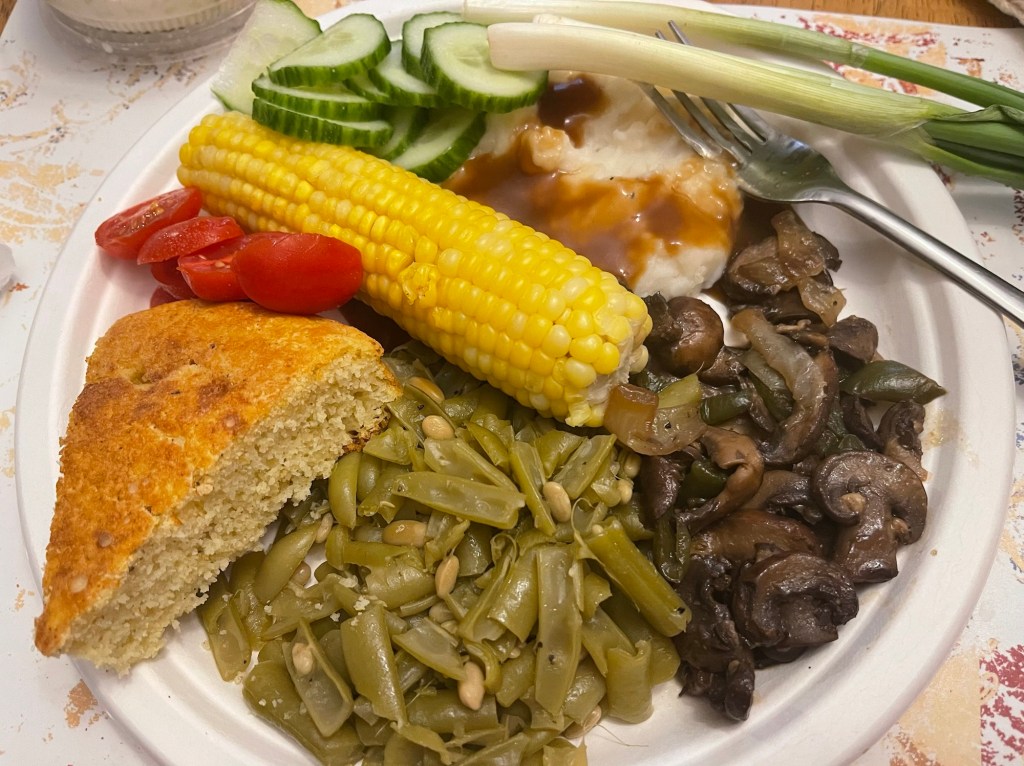
Just for fun! A picture of dinner this evening. Fresh beans, corn, potatoes, onions, cucumbers and tomatoes with sautéed portobello mushrooms with peppers and onions and a slice of cornbread. Nothing better than veggies from our garden!

For now, God bless from the mountains of Kentucky! Don’t forget to like, comment, and or follow! We

Vegan Italian Spinach Wraps

Good morning from the mountains of Kentucky! I hope your day is a blessed one. I am excited to bring to you my new spinach wrap recipe that I’ve been working with for a couple of weeks. Saturday’s wraps were the success that I’ve been working toward! I hope you enjoy them as much as we do!

Ingredients:

  • 3 cups fresh organic baby spinach
  • 3 cups all-purpose flour (I prefer King Arthur unbleached or wheat)
  • 1 1/2 teaspoon pink Himalayan salt
  • 3-4 tablespoons organic extra virgin olive oil
  • 1/3 cup cold filtered water (this can be modified if needed)
  • 1 teaspoon fresh ground oregano
  • 1 teaspoon fresh ground basil
  • 1 teaspoon fresh ground parsley
  • 1/2 teaspoon fresh ground black pepper
  • 1/2 teaspoon organic ground garlic

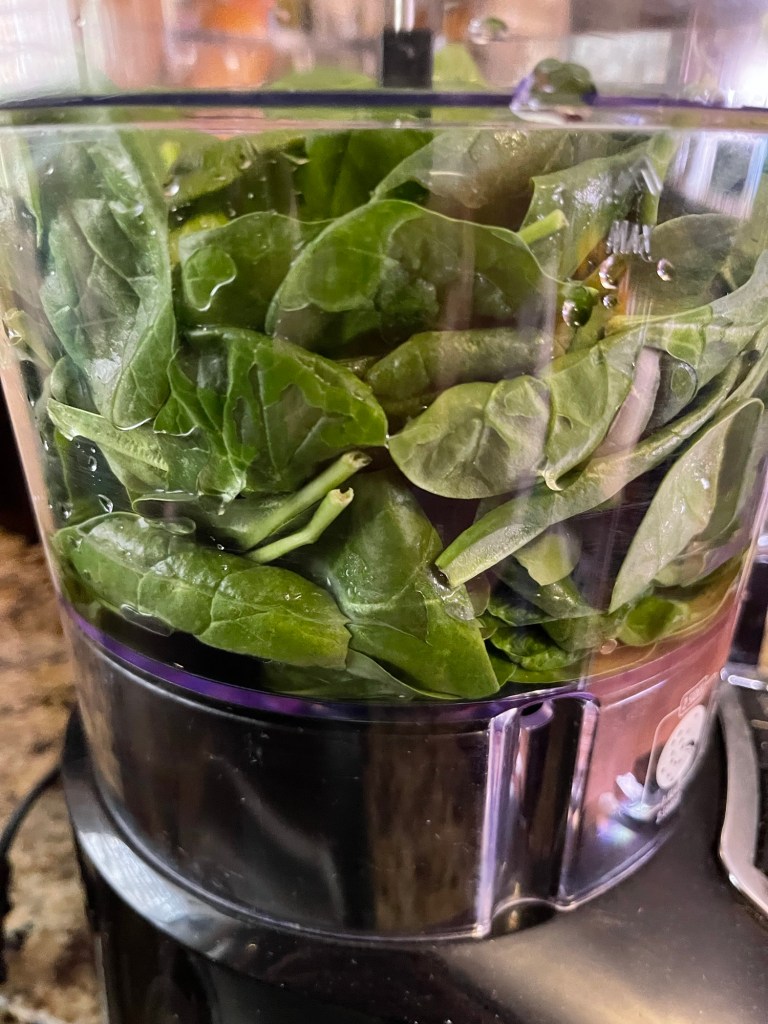
Add one cup of spinach and one cup of flour to a food processor dicing it to allow room for an additional cup of each. Dice again and add the remaining spinach and flour. Add spices, and process adding oil slowly as the mixture mixes. Add water until you have a dough consistency. Sometimes the amount of water varies. Only add what you need. If the mixture is too wet, add an additional spoon of flour and mix. You can’t go wrong on this mixture if you achieve a doughy consistency. You can play with the oil as well. If you need more, add a tiny bit.

Fresh spinach is the best!!

Preheat a cast iron skillet. I use ceramic cast iron for this and it works great. Add a tiny spray of organic extra virgin olive oil to the pan to heat. While the pan is heating spoon out a large spoon of the mixture onto a floured dough sheet or parchment paper. Using flour on your hands roll the dough into a ball and then begin rolling the dough flat.

Ball of spinach dough.
Second rolling of the wrap.

A second rolling of the wrap ensures the desired thickness of the wrap. You can sprinkle flour over the wrap to prevent it from sticking. Once you have achieved the desired thickness, lay your bread in the hot pan. It only takes about 1 1/2 minutes per side. While my bread is browning, I usually roll another piece of dough. Parchment paper, coffee filters, cheese cloth, or white paper towels between the wraps will help prevent them from sticking until they’re cooled.

Preparing the wrap!
This is the thickness that I like!

Remove the bread and place on your choice of liner. Once the wraps are completely cooled, I place mine in an airtight container and keep them in the fridge for fresheners. This recipe usually yields eight to nine wraps. They taste great warmed with fresh veggies, a smear of peanut butter, as a side for Italian dishes, and extremely good with no dairy cheese melted on them.

You may substitute seasonings for Mexican seasonings, plain with a little salt and pepper, or with curry seasonings. The possibilities are endless. I hope you enjoy these as much as we do. I look forward to posting new wraps. I am currently working on a high fiber flax wrap. I would love to hear how you eat yours! Feel free to like, share, comment and follow. For now, God bless from the mountains of Kentucky!

Tea Time Tuesday

Fresh peppermint tea in my favorite tea mug!

Good afternoon from the mountains of Kentucky! Today feels like spring in the mountains. Easter Lillie’s are bloomed, some of the trees and bushes are budding, and I see green plants emerging through the flower bed covering. I am excited about spring as it always feels like an opportunity for new beginnings, time to plant, and time to enjoy the beautiful mountains that we are blessed with.

Summer in the mountains!

For those of you who are serious tea drinkers, and for those who enjoy a cup of tea from time time… you’ll enjoy my series, Tea Time Tuesday. It will be a reoccurring blog post that will include random topics ranging from making teas, uses of teas, to recipes that include tea in them, and occasional recipes for goodies to eat while drinking tea. I will also review books I’ve read while enjoying a cup of tea. While some posts might be simple ramblings or inspirational words. However, today’s post is about a topic that is worthy of conversation. Loose tea verses tea bags.

I’ve been an avid tea drinker for years. I like almost all flavors of teas. But, I do have a few favorites. I love a good chai tea with oat milk, and lavender. I drink peppermint tea almost every day. I like black teas and love a good chamomile tea with either honey or lavender and sometimes both. Regardless the tea I drink, I prefer loose leaf to tea bags. The tea that I grow and dry does not even compare to purchased teas, but there are times when I buy loose leaf, especially black tea and chamomile tea. So, why do I prefer loose leaf to bagged tea? Loose leaf is more flavorful, I don’t have to worry about how long it’s been shelved, I don’t have to wonder if the bags are good quality or could they be toxic. There are so many different reasons, but flavor and the ability to use a tea ball of loose leaf tea a second time, which is a great money and tea saver, especially if you purchase tea. If you don’t like a tea ball, you can always purchase organic tea bags that you can fill yourself. The organic tea bags are great for tea on the go. They store easily in my lunch bag that I carry to work.

I’m curious about your preferences. Which do you prefer bagged tea or loose leaf, and why? I would love to hear from you. For now, God bless from the mountains of Kentucky. I think I’ll enjoy a cup of tea and porch sit a little while on this beautiful spring-like day!

Give Us This Day Our Daily Bread: Homemade Crusty Vegan Bread

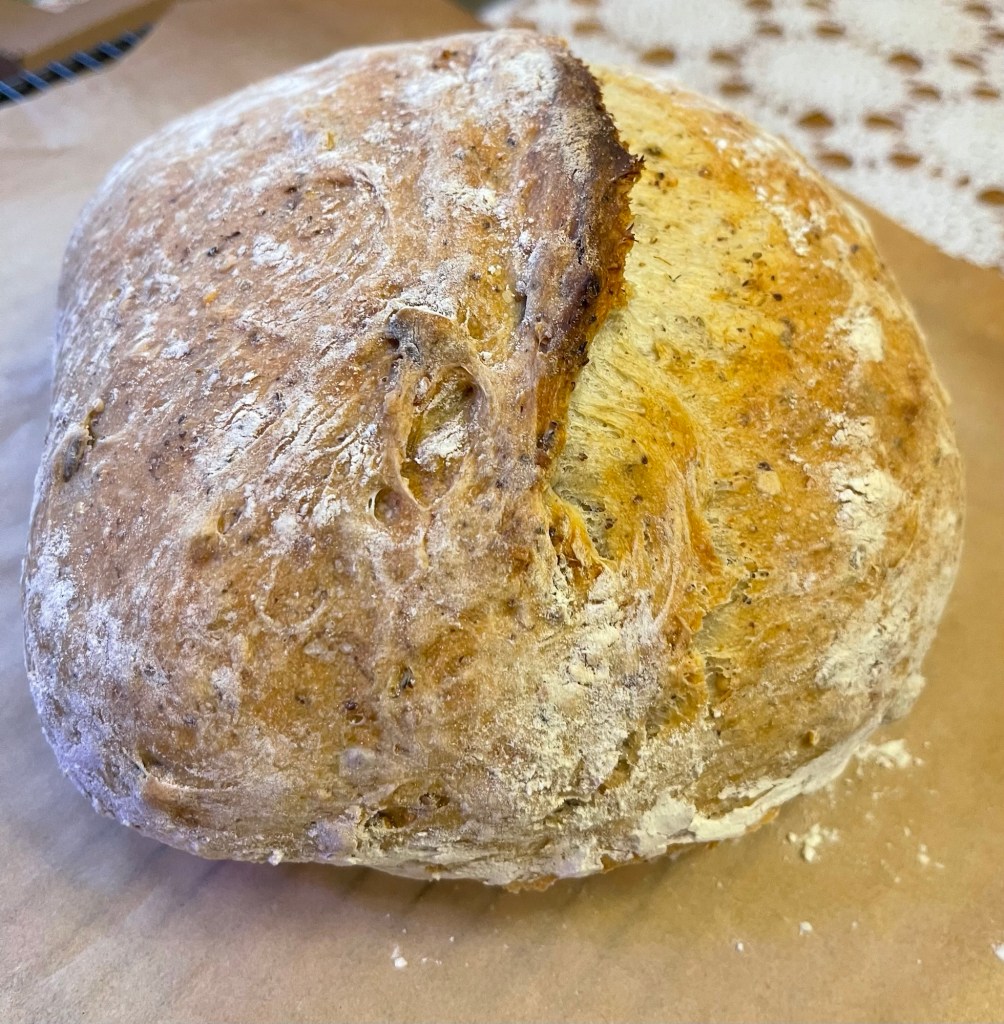
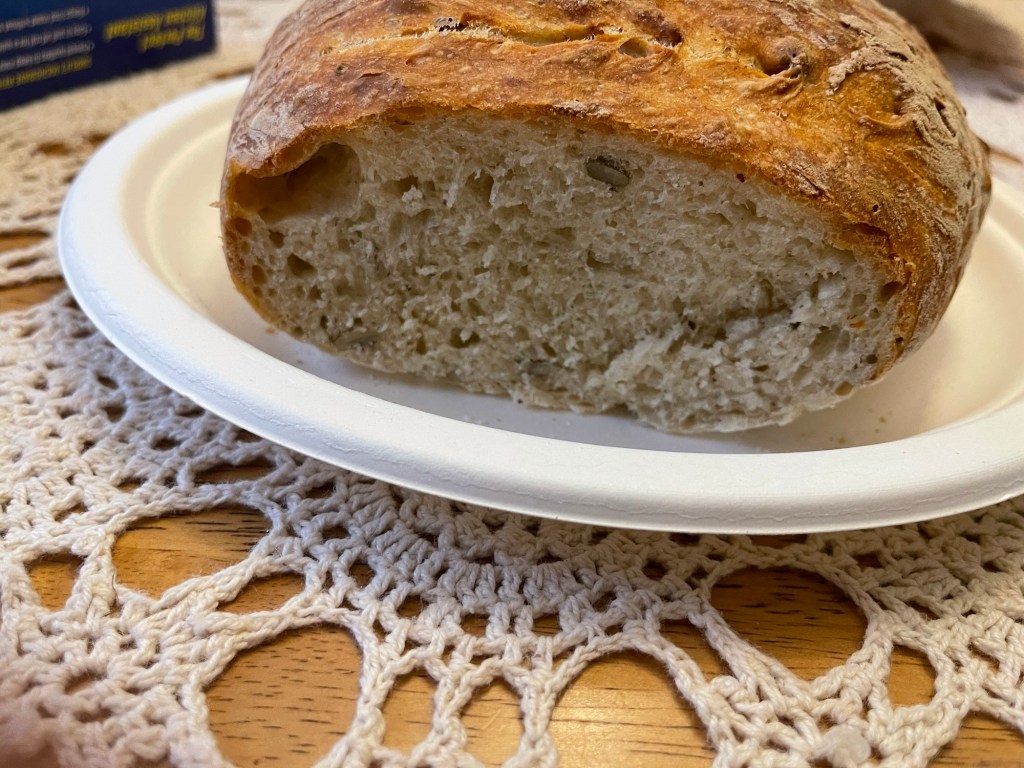
Seeded artisan bread

Good morning from the mountains of Kentucky. It’s official! We are 22 days away from spring 2024. I am eager to say that I am very happy about that! When the butter cups are blooming, daylight lasts a little longer, and the birds are singing early in the morning, I begin to have spring fever. I am ready to sow seeds, plant crops, and enjoy the sunshine on my face. I am eager to share a new bread recipe with you that is clean, easy, and tastes delicious. But first, I would like to ask if you have ever looked at the list of ingredients on bread you buy from the grocery store? The ingredients are numerous and many that I can’t pronounce or have to search the internet to determine what they are. This is scary to say the least. Even most of the breads that are labeled as organic contains a long list of ingredients. The recipe that I am sharing today has basically five organic ingredients, of which one is water. Are you ready to take control of what you put inside your body? Let’s get started!

Ingredients:

  • 3 1/2 cups of organic, unbleached all-purpose flour (I like King Arthur’s)
  • 1 1/2 cups of warm filtered water 75 degrees
  • 1 1/2 teaspoons of aluminum-free sea salt or pink Himalayan salt
  • 2 teaspoons of organic non-caking yeast
  • 1/4 to 1/2 cup of organic seeds of choice. I used pumpkin, flax, and hemp seeds. (This is optional)

In a large glass mixing bowl mix the dry ingredients and add warm water slowly stirring as you add the water. I like to add the yeast to the warm water to help activate it and then add the water to the mix. I also like to mix by hand, but a stand mixer with a dough hook can be used. Gently fold in the seeds of choice. Once the dough is mixed set the bowl aside in a warm place and cover the bowl with a clean dish cloth. Let rise for two hours.

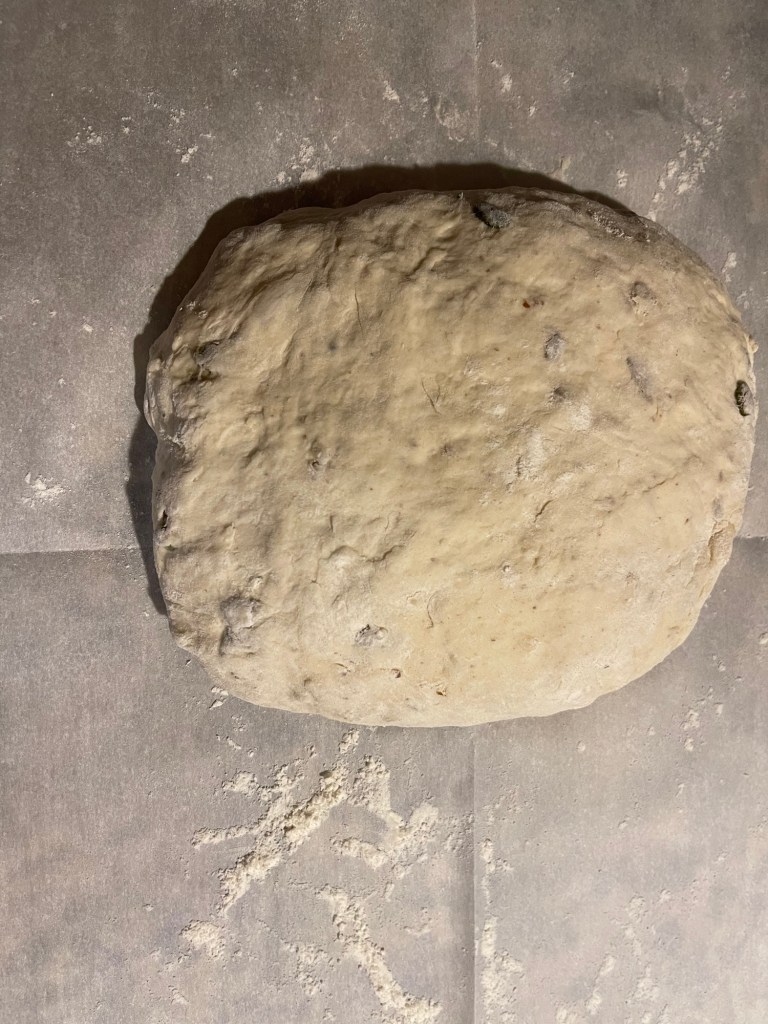
Freshly folded dough awaiting the oven to heat.

After two hours, turn your dough out onto a floured parchment paper or floured wood cutting board. Fold the dough each way into itself. Shape it into the shape the desired shape that you prefer your bread. Lightly dust a stone pizza stone and place it on the oven rack that you will bake your bread on. Preheat the oven and the pizza stone to 450 degrees. Add about two inches of water to a shallow glass cooking dish and place on the rack beneath the rack you’re going to bake the bread on. This will help your bread have a crispy exterior on top and a soft bottom. Allow your bread to continue to rise while the oven and stone are preheating. When the oven is preheated, score the top of the bread three to four times with a serrated knife. Remove the hot stone and carefully remove the dough and place it on the the hot stone. Bake for 25- 30 minutes, depending on how crusty you like your bread.

Fresh bread just out of the screaming hot oven still on the baking stone.

This bread can be made from wheat flour if desired or oat flour. The seeds are optional and can be exchanged for other seeds, or left out of the recipe. You may bake this bread in a preheated covered cast iron Dutch oven that is lined with parchment paper before adding the dough, or you may divide the dough into two small loaf pans.

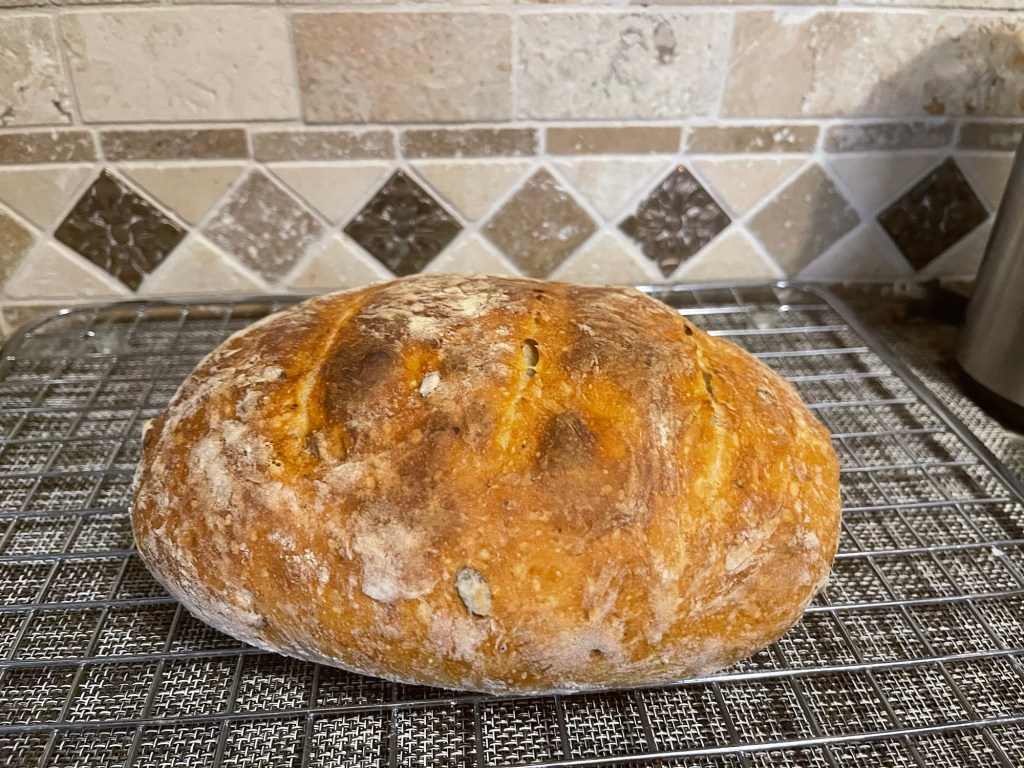
Once the bread has baked transfer to a cooling rack and allow to completely cook before cutting. Sharp serrated bread knifes are great to cut the bread. This bread makes great sandwich bread, toast, French toast, as a side to supper dishes, toasted as crusty bread, or buttered as is. The inside is soft and airy and delicious. I love the texture of the baked pumpkin seeds within the bread. The possibilities are vast!

Cooling on the wire rack.

I hope you and your family enjoy this recipe. Every time I bake, I am reminded of one of my favorite components of the Lord’s Prayer.

Matthew 6:11 Give us this day our daily bread. (KJV)

The top is crusty, the bottom soft, and inside is airy. It’s delicious!

We should focus on this day, not days that have past, nor days that haven’t yet arrived. If we keep our focus on, this day, we do not get caught up in the what ifs, from yesterdays, or the what wills, of tomorrows. Keeping our focus on the Lord for this day encourages us to rely on Him more completely.

God bless, from the mountains of Kentucky. I welcome Feel feedback and or questions.

Making Organic Elderberry Syrup

Beautiful fall mountains of KY

During COVID many people rediscovered the health benefits of elderberries. I, myself, started taking a good organic elderberry supplement to enhance my immune system. Finding organic elderberry syrup was difficult or ridiculously expensive at the time, and the supplement was not inexpensive. After paying for the supplement for a few years, I decided to try my hand at making elderberry syrup. I am very pleased with the results and inspired to share my recipe with my readers.

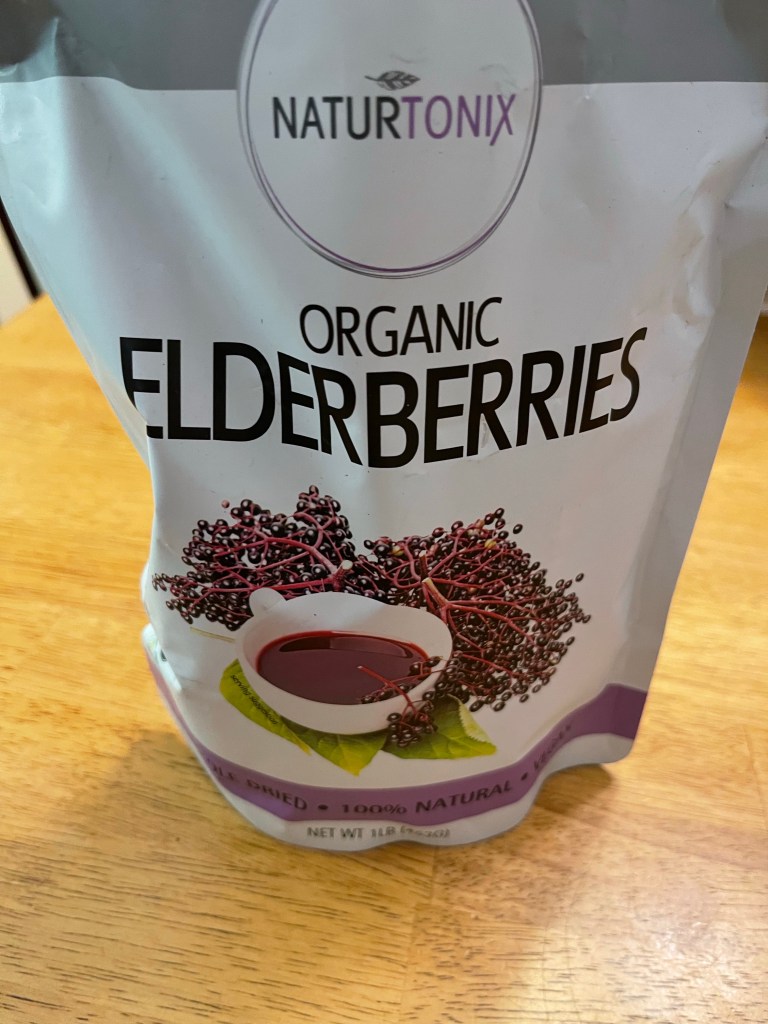
There were challenges along the way. But, with determination, I was able to overcome those. First, I wasn’t able to find someone with an elderberry tree that was willing to part with elderberries, so I did the next best thing. I looked on Amazon for organic dried elderberries. The ones pictured below had the best price, largest amount, and the best rating.

Dried organic elderberries from Amazon

Next, I experimented with the amount of elderberries I would mix. After a bit of research and experimental tries, I decided the syrup would be tastier with some spices added. After a few batches, I decided on the addition of organic clove, organic ginger, organic cinnamon and local honey. With this in mind, I was ready to see if the taste was right. It was delicious!


Ingredients (makes a pint)
3/4 cup Dried elderberries
3 cups filtered water
1/2 tsp dried clove
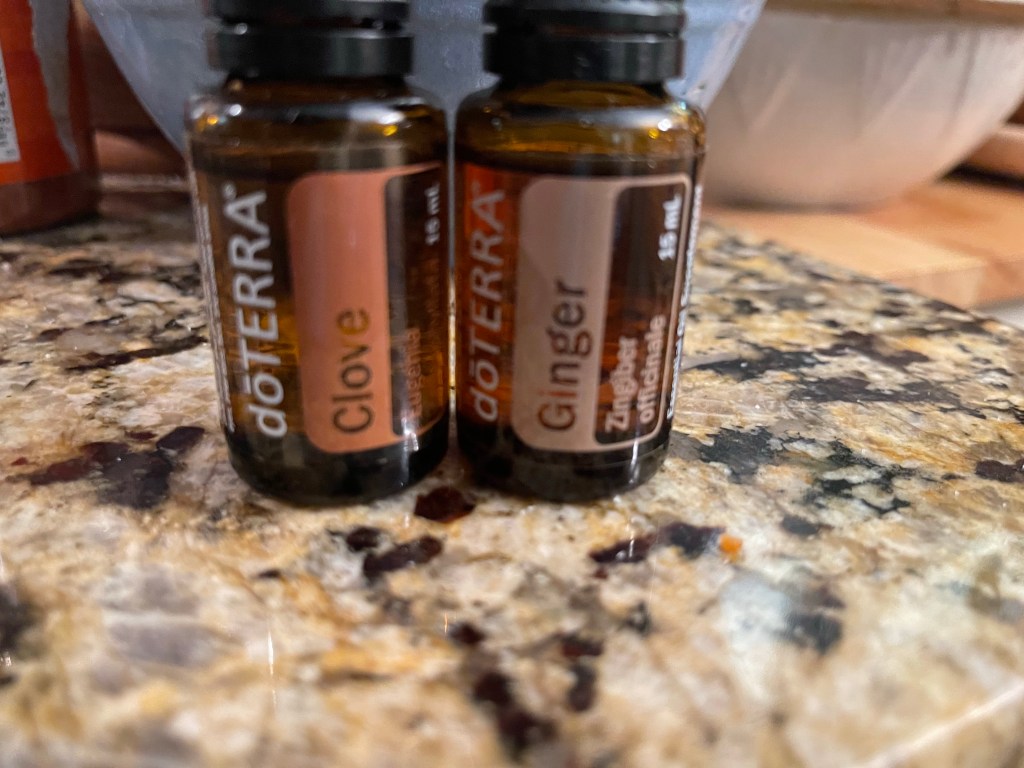
1/2 tsp doTERRA clove essential oil
1/2 tsp doTERRA ginger essential oil
1/2 tsp dried ginger
1 tsp cinnamon
Fresh honey to taste

Essential oils are optional. I love the benefits of them and the taste. Read the labels closely before using to ensure they’re consumable.

Process

Add the three cups of filtered water to a stainless steel saucepan. Add 3/4 cup dried elderberries. Add the remaining ingredients except the honey. Bring the ingredients to slow boil. Set a timer and boil the mixture for 45 minutes. After 45 minutes turn the burner off and cover the mixture and allow it to cool. When the mixture is completely cooled strain completely through a fine mesh strainer into a clear pint jar. Cheese cloth can be used as well. Add fresh honey to taste and stir well. Place a lid on the jar and for a better taste keep it refrigerated.

My fist jar after a couple of days of use.

I take a tablespoon a day. A pint typically lasts for two weeks. The taste is wonderful. Elderberry’s have a wide array of health benefits. I’m not sure if the elderberry syrup helps increase one’s sleep, but I have slept unusually well since I started using the syrup as a daily regimen.

I hope you enjoy this simple recipe. Feel free to comment or leave questions. For now, God bless from the mountains of Kentucky!

Canning Homemade Vegetable Soup

Good evening, from the mountains of Kentucky! I hope you are having a great start to your week! It’s a hot week in the mountains with temperatures soaring into the nineties. I don’t mind it. I’m savoring the last weeks of summer. With that being said, with the lingering days of summer vanishing swiftly, also comes the final rounds of canning. We have worked to stock and restock our pantry and canned goods from the harvest of our garden. Even though I wasn’t able to do much of the planting because of my hip replacement in June, I have enjoyed the labor of harvesting and canning. Let me say this: God is so good. He has truly been with me literally every step of my recovery. I am so thankful for how well I have progressed. I give Him all the glory for it. Now, to delve deeper into canning vegetable soup.

Recently, I decided I would use the lingering remnants of leftovers in our fridge and turn them into a savory vegan vegetable beef soup. You could easily change this recipe to be vegetable beef soup with real beef.

Vegan vegetable beef simmering on the stove.

Recipe ingredients:

  • One bag of your choice of plant-based beef crumbles. I used a bag of Ultimate Beef pieces.
  • Half of a yellow onion
  • One small bell pepper of choice
  • One tablespoon minced garlic or fresh garlic
  • One cup of fresh diced tomatoes or organic canned diced tomatoes
  • One cup of organic vegetable broth
  • One tablespoon of organic extra virgin olive oil
  • Two cups of freshly cooked green beans or one can of organic green beans
  • One cup of fresh corn or one can of organic corn
  • One cup of frozen organic peas or one can of organic sweet peas
  • Four medium-size potatoes
  • One cup of fresh carrots or one can of organic carrots
  • One quart of freshly canned tomato juice or two-three cups of organic canned juice

Process:

If you are using beef, brown the beef and drain. If you are using vegan meatless meat, you can add to the onions and peppers while they are simmering.

Peel and cut potatoes to desired size. Add potatoes to saucepan of water with a pinch of salt and oil. Cook potatoes until the cut easily with fork or knife. If you’re using fresh carrots, you may either peel, slice and steam them, or cook them with the potatoes. Set potatoes aside.

Add a tablespoon of extra virgin olive oil to a large stock pot. I prefer cast iron to Teflon. Heat on low and add diced onions and peppers. Season with salt and pepper. Allow onions and peppers to become slightly translucent. Add drained beef or vegan meat and stir. I like to add a little extra seasoning at this stage to build flavor. I use a little cumin, paprika, salt, pepper, and turmeric. These are optional. After mixture is mixed well, add diced tomatoes. Drain potatoes and carrots and add to soup mixture. Stir in additional veggies to the soup mixture. Taste to season and add tomato juice. Allow soup to come to a soft boil, then reduce to low and simmer for two hours.

This soup is great served with crackers, cornbread, grilled cheese or vegan grilled cheese. Now to the canning process!

Sterilize jars, rings, and flats. Add warm soup to pint jars. This can be done in the dishwasher or by boiling them in the canne

add water to canner and warm on medium heat. Place canning funnel over pint jar, ladle warm soup into jars. Leave at least a half for head space. I like to wipe the rim of the jar, flat, and ring with a clean dish cloth or paper towel dipped in vinegar before sealing. This helps guard against possible bacteria. Place warm jars of soup in the canner and allow the water to come to a boil. When the water comes to a hard boil set the timer for thirty minutes.

when the time exhausts, turn the stove off and allow the water to simmer for about ten minutes. Remove the jars with the jar lifter. Set the jars on a dry folder to cool. As the jars cool, you should hear the coveted ping ensuring you that the jars are sealed! After the jars have cooled add the date to the lid.

This soup should have a shelf life for 18-24 months. Maybe longer! I’ve never found out as it usually lasts at my house for 10-11 months and it’s gone! This is a great soup to take along as lunch at work, if you have access to a microwave or one of the lunch size crock pots. It’s great for those nights when you don’t feel like cooking. It’s great served with cornbread or crackers. I personally love it with a vegan grilled cheese sandwich. You be the desired!

Don’t forget to add the date to the lids!

I hope you enjoy this soup as much as we do. Feel free to leave a comment or ask a question. As always, feel free to follow for more recipes and canning ideas. For now, God bless from the mountains of Kentucky! Thank you for stopping by my blog! Every reader is appreciated!