My Favorite Top Ten Herbs (part one – mint)

Good morning, from the mountains of Kentucky! I hope your Memorial weekend is off to a great start. We don’t have big plans for the weekend, other than getting a little work done, grilling out, and relaxing with family. I was recently asked about my favorite herbs as well as a few questions about how I grow them, use them, and how I store them. So, decided to post a blog to help others who may have some of the same questions.

I love all herbs, but decided to narrow my focus on the top ten that I use the most. I will give details about herbs used for teas, cooking, and add how I use them for my health. For the first post, I will focus on mints.

Let’s get started! So my number one go to herb for teas is peppermint. I should say mints, as mint comes in a variety of flavors. I love all mints, especially peppermint and spearmint. We grow strawberry and chocolate mint as well. Each have such a refreshing wonderful aroma and flavor.

Beautiful organic peppermint!

Peppermint is a staple in our household. It’s easy to grow and very versatile. I use it primarily for teas. It also adds a surprisingly tasty bite to salads. The challenge of growing mint in a herb garden with other plants is that it can become invasive and overtake the other plants. Mints are perennials, which means they typically return each year, especially when planted in the ground. I grow peppermint and spearmint in large containers to prevent overgrowth and maintain control in my herb garden. Some years it returns and some years it doesn’t. The return of mint in the spring, depends a lot on the severity of the winter weather, if I place them in the basement for the winter, or cover them with bedding. If your mint does not return, and you have to replant it, it’s okay. Organic peppermint plants are very inexpensive. The cost of two plants is about the cost of one good box of organic peppermint tea. So, you are really getting your money worth from growing and harvesting your own peppermint. Peppermint tea is also my go to tea for an upset stomach or indigestion. It also makes a great addition to green tea and black tea.

We have a chocolate mint bed as well. It is one of my favorite herbs. It’s great a delicious addition, as is peppermint and spearmint, to add to a cool pitcher of water for a refreshing summer drink, or for hot tea. We also grow Strawberry mint. It has a unique taste that is light and a bit fruity. I find it a refreshing addition to spearmint tea. It’s a beautiful decorative mint that has a wonderful aroma. I like to rub my hand through the mint while I’m working in my herbs just to release the sweet aroma. It’s relaxing and oh so fragrant!

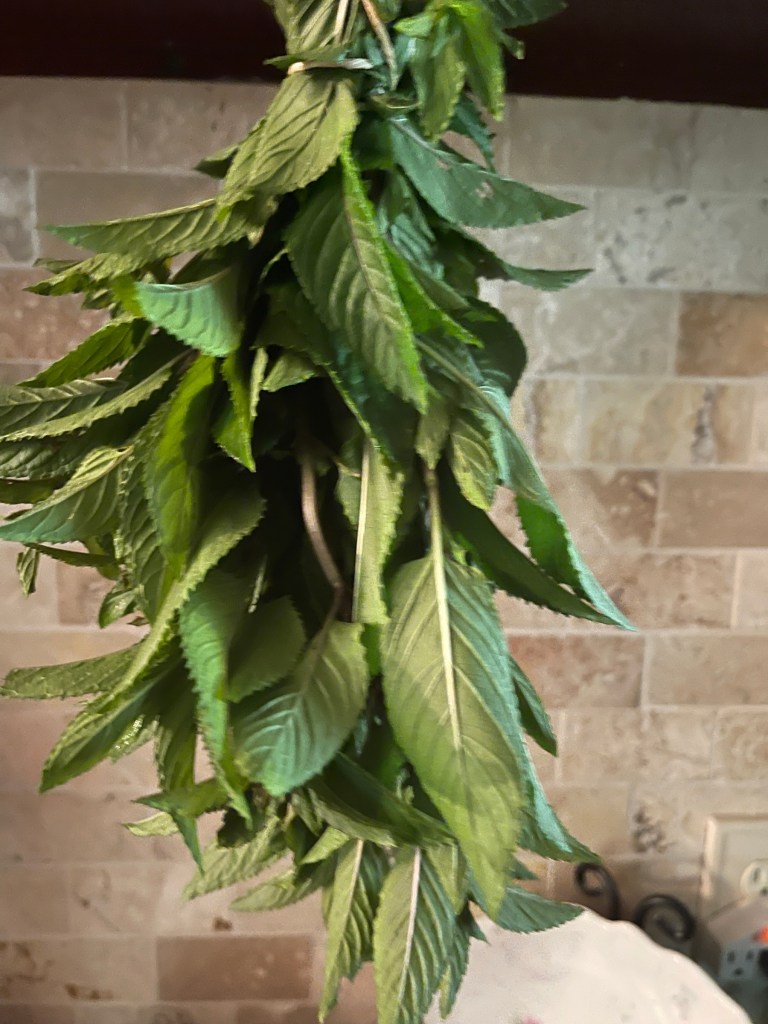
Chocolate mint hanging to dry.

To harvest mint, I clip the tops of the mint a couple inches down the stem. Then I usually fix myself a cup of tea or coffee, get a comfortable seat on the porch and turn on a good podcast or some music. I usually place the gathering baskets of mint clippings on the table beside me, place a baking sheet on my lap with an unbleached paper towel or unbleached parchment paper to hold the cleaned mint leaves and begin the harvesting process.

I carefully pick through and select the healthiest sprigs. I remove any of the leaves that may have damage from insects. I then gather the healthiest stems or sprigs and bundle them together to wash and then gently them spin dry in the salad spinner. Sometimes I pat them dry with a clean cloth and hang the bundles up to dry. It’s totally up to you how you choose to dry the mint. I have found that air dried herbs are more potent than dehydrated or oven dried herbs. I find it more satisfying as well.

There are times if I am a bit overwhelmed with the amount of mint that I have, I will remove the leaves and just spread those out on unbleached paper towels, or paper plates and allow them to air dry. Either method of drying produces the same great taste. When the mint is completely dry, to the point of being crispy, I will remove the leaves from the stem for one jar. I will grind these leaves into a finer tea mix using a coffee grinder. Other leaves, I will simply grind with a mortar and pestle including the stems for a more potent tea. I use a stainless steel tea ball to steep the hardier teas.

I store my dried mint in glass jars and shelve them in a dark place in my herb or tea cabinet. The shelf life of dried tea or most herbs is typically one to two years. If I have tea leaves that’s lost their flavor, I will add them to a a gallon of water, cover it and let let absorb all the goodness of the dried tea leaves and then use it to water my herbs. It provides loads of antioxidants to the soil and it acts as a great fertilizer.

The key to healthy mint of all kinds is moderate watering, feeding them at least once a month with organic plant food or weakened cold peppermint tea. (That’s a post for another day.) Regular pruning is necessary for mint to become full and to encourage new growth.

Mint is a staple for our pantry for baking, teas, tummy trouble and crushed mint leaves helps soothe a bee sting as well! See my post Harvesting Mint for Teas to learn how I make a great cup of mint tea from the herbs of our garden. God bless for now from the mountains of Kentucky. Have a wonderful and blessed Memorial weekend. Drop a comment, like or follow.

My favorite tea mug!

Living Holistically in the Mountains

Good afternoon, from the mountains of Kentucky. I hope your week is going well. It’s been a busy one this week in our neck of the woods. Spring is usually busy with planting, foraging, preserving, harvesting and drying. We’ve managed between long bouts of rain to plant our squash and zucchini, tomatoes, kale, cucumbers, and peppers. The garden is taking shape. Yet, there’s a lot more to plant. A lot of work with great rewards.

We’ve planted and foraged mullein to dry for tea. We’ve found mullein tea good for our respiratory problems, common colds, flu, and bronchitis. It’s a staple in our household. The tea can be made a few different ways. The leaves can be cleaned and dried for steeping hot tea, or the leaves can be cleaned and added to filtered water and placed in a covered glass container in the fridge for cold tea. A little honey in either and we’ve found it to be a tasty bit of nature that has wonderful results. (More to come about the use of mullein.)

Harvesting the bottom mullein leaves.
Iris blooms are my favorite!

Our flowers and herb garden is flourishing this year. I’ve harvested chocolate mint, peppermint, and strawberry mint twice already. We keep fresh mint for cooking, be stings, and for baking. Dried mint is used for steeping delicious teas. Peppermint tea has great medicinal qualities for digestion issues. It’s a great addition to green tea as well, and is tasty in a cool glass of water from our Berkey. Yesterday, was a day for clipping basil, more mint, and chive blooms for seeds. I also harvested tarragon and bit of lemon basil. Our herbs are doing exceptionally well this year. I am a believer that when nature produces an abundance of something, it will be needed in weeks or even months ahead. We enjoy sharing our harvest with the elderly who can no longer garden and those who do not have land for gardens. We are believers of tithing our blessings with others. It seems the more we give, the more our gardens grow and produce.

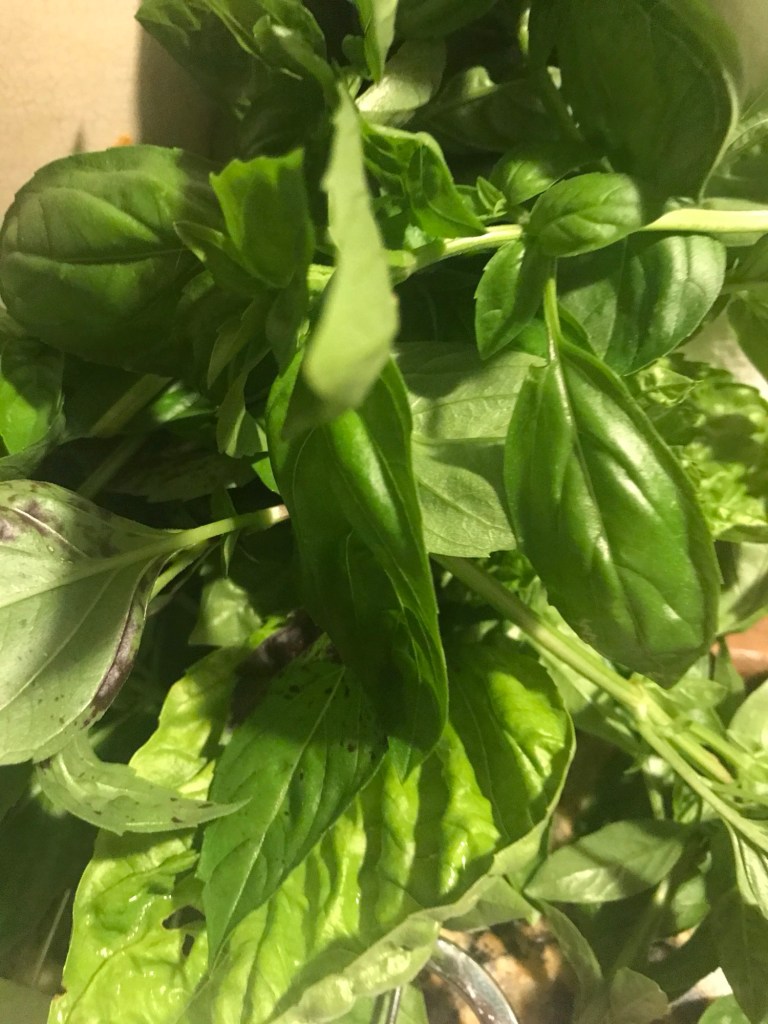
The basil is thriving!
Fresh strawberry jam!

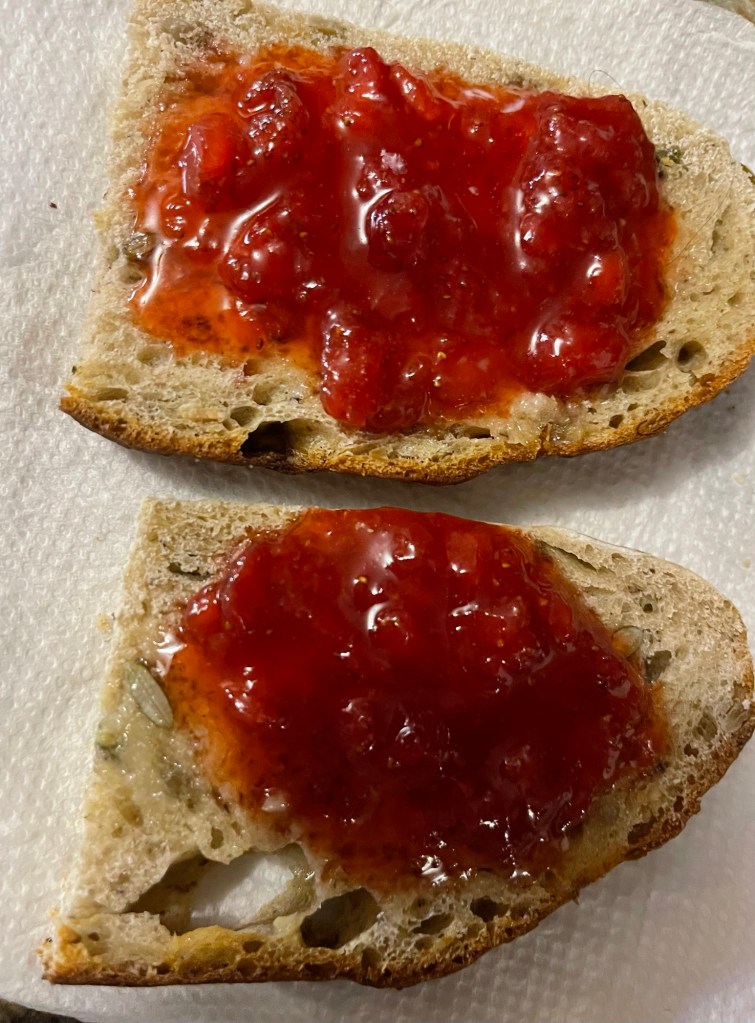
Yesterday was spent preserving strawberry jam. It’s easy to make and delicious to eat! I will post this recipe soon. I couldn’t wait for weeks to eat the jam! So, I opened a jar this morning and had it on fresh-baked bread for breakfast.

Freshly toasted baked bread and homemade jam!
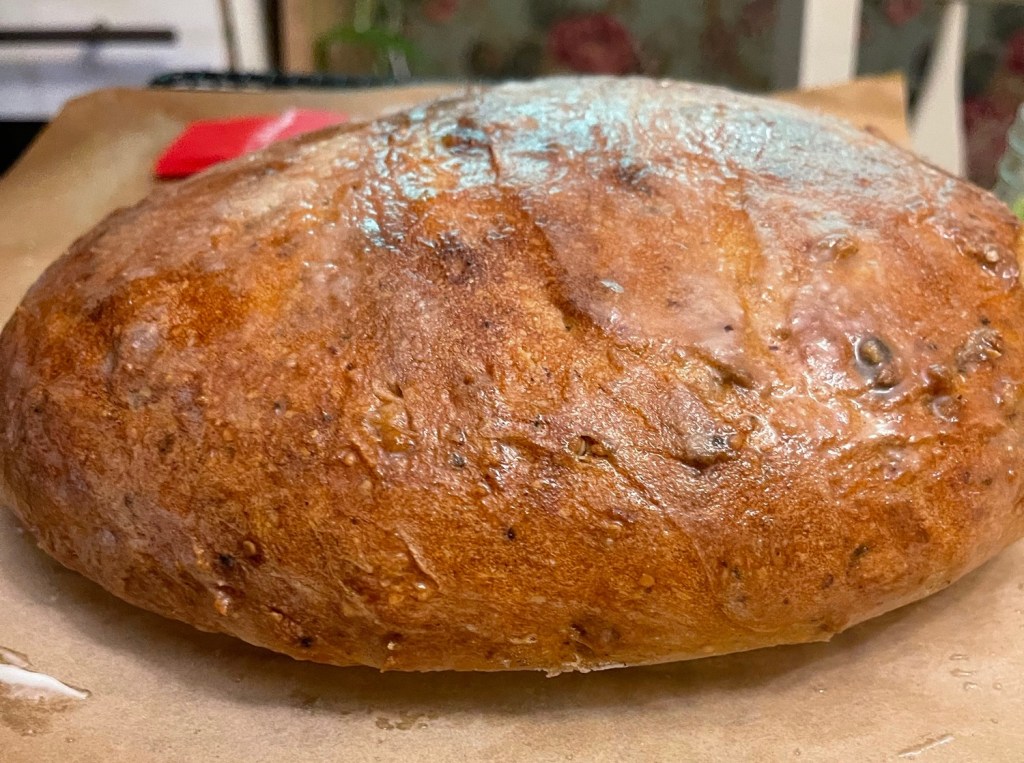
Home baked seeded yeast bread.

Our kitchen today is an aroma of drying herbs, yeast bread cooking, and banana bread baking. Oh, and lemon essential oil diffusing in the diffuser. Lemon essential oil is great for focus, clarity, and helps deter ants, while making the air smell clean and fresh. Essential oils are part of our daily life. We use them for medicinal purposes, to make cleaning products, to add to recipes, and to help us relax at night. We are firm believers that God created nature for mankind to enjoy and along with the enjoyment, to use for the physical, medical, and even for spiritual needs.

Chocolate mint hanging to dry.

For now, God bless, from the mountains of Kentucky. Happy foraging, planting, and preserving! Feel free to follow and or leave comments or questions. Have a wonderful Thursday!

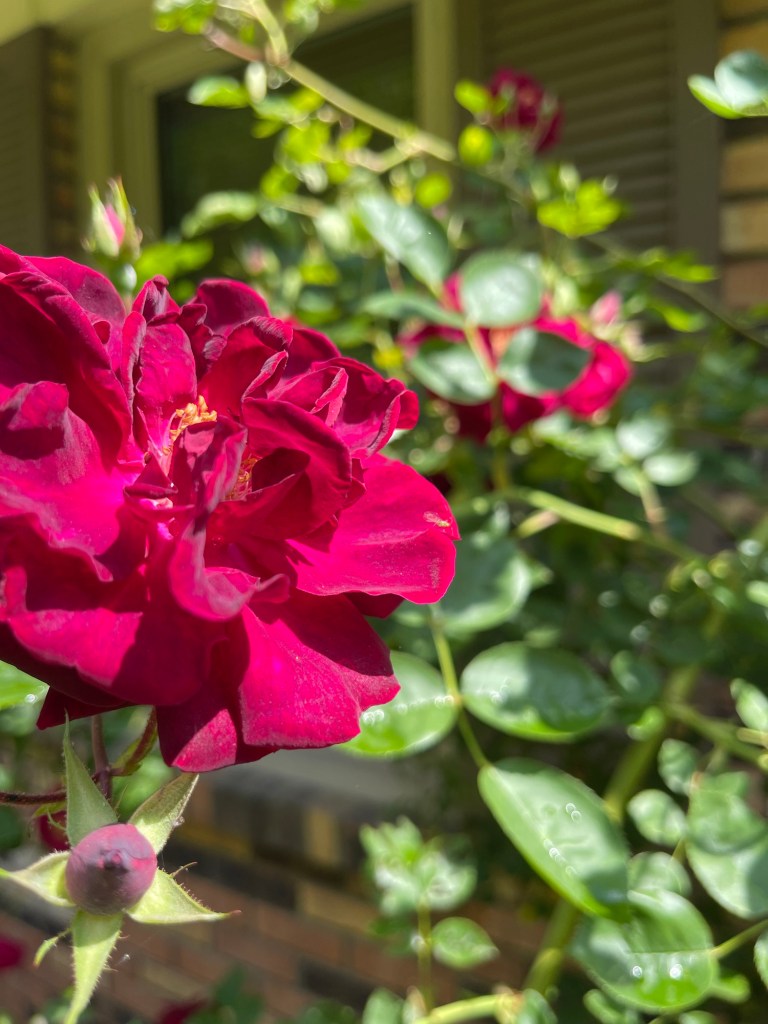
Our roses are beautiful this year!

Updated Holistic Living in the Mountains

Just a small glimpse of the beauty of spring in the mountains.

Hello, from the mountains of Kentucky! Spring has arrived in full color in our beautiful mountains. The view outside my window is a stunning array of pastel colors from the blooms and a luscious green from the trees. It’s breathtaking! I started this webpage as a means of tracking my own eating habits, helping others, and sharing recipes that I developed that are clean and align to clean eating and holistic living. Over time, my diet/food intake evolved to vegetarian, and gradually to a vegan/plant-based lifestyle, which I have maintained for over six years. I also wanted to share methods of preserving food that we/my family have used for decades. Preserving by canning, freezing, and drying have been a way of life for us since I can remember. It helps us maintain a holistic way of life. It’s a lot of hard work, but the rewards exceed the work by far. I have a desire to maintain this lifestyle for myself, my family, my readers, and to preserve the culture and beliefs and memories of my ancestor’s.

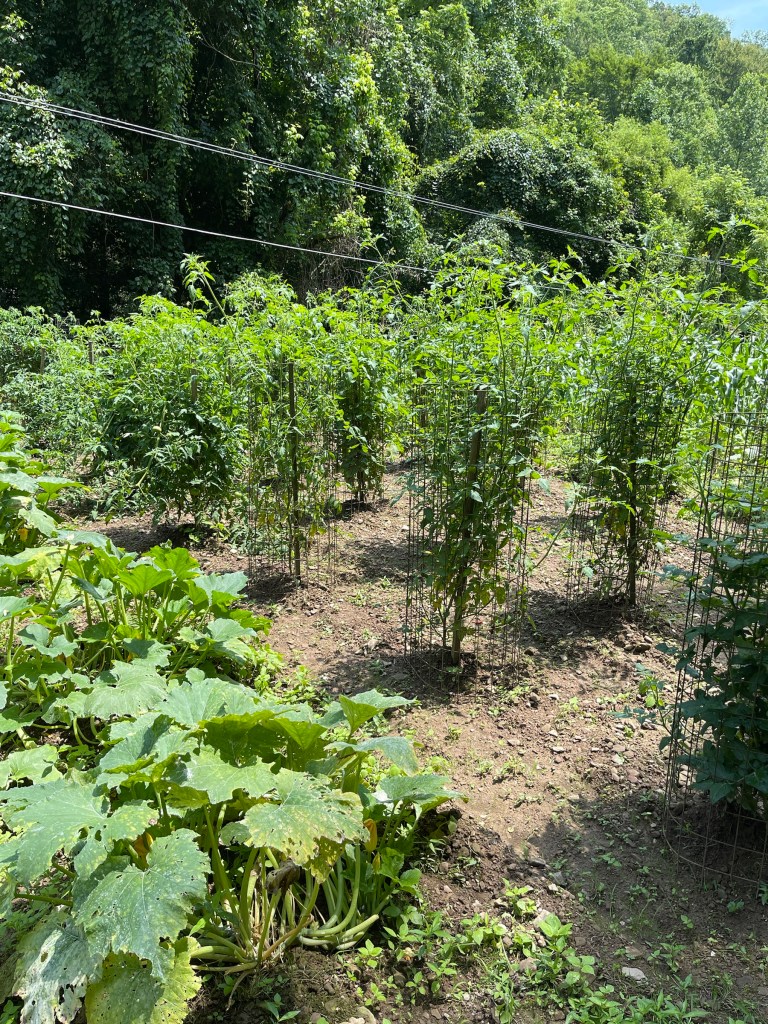
Last year’s garden mid-spring.

Holistic living can mean different things to different people. For our family, it means that we grow and preserve the majority of what we consume, we live as close to nature as possible, and we work to nourish our body, mind and soul. Plant-based eating and clean eating is a large part of our diet. Does my entire family follow a plant-based life? No, not everyone eats totally plant-based. For those that do not follow a one-hundred percent plant-based diet, we raise our own chickens, which provides eggs and meat, and recently added ducks to the flock. We also purchase fresh whole cow’s milk from a neighboring farm, as well as fresh Kentucky raised angus for those who are beef eaters. We grow our own herbs, veggies, and fruit.

Basil from our herb garden.

Holistic living also consists of using healthy clean products for our personal hygiene, cleaning supplies, and our water. Is it a hard lifestyle to maintain? No, it’s a lot of work, but work is part of the plan of exercise, and it’s fun to plan new recipes, discover new products that are clean and create our own healthy cleaning products that we use in our homes, and that we feel safe and confident in using. No harmful chemicals, non gmo, no harmful food dyes, or animal byproducts. Clean holistic living helps nourish your body so that you feel like working, getting up and having fun. It helps provide better sleep, all while ensuring that your body is devoid of toxins, thus increasing good health, and stamina.

Holistic living for nourishing the mind for our family involves a prayer life, meditation time, relaxation time, and social time with family, friends, and church family. We love to share ideas, recipes, food, and prayers with others. When our mind is healthy and our mindset is positive, the body responds well. When the mindset is positive and our prayer life is rich with conversations with our savior, assembling and worshiping with our church families, our soul is nourished; thus leading to a better whole self.

Drying peppermint for teas.

I hope you’ve enjoyed one of many of my posts for our adventures and daily life of holistic living in the mountains. I will be adding a posts soon about how we use our organically grown herb, micro-greens, and essential oils for cooking, preserving, our health, and as teas. Feel free to like, follow, and or leave a comment. I love to read your comments, and answer your questions. For now, God bless, from the mountains of Kentucky!

Vegan Peanut Butter Chocolate Chip Mookies

Hello, from the mountains of Kentucky! It’s been a busy Saturday of baking and spring cleaning! I’ve been on decluttering journey for a couple of weeks. I’m nearing the homestretch of decluttering. Baking for the week ensures I have fresh bread for breakfast toast, lunch, and for supper. It also ensures I have snacks for the week. I also enjoy sharing with others at work, family, and church. But, the biggest reward is that my bread and snacks for the week are healthy, clean, organic, and not processed!

I have baked what I call mookies for years. You might be wondering what a mookie is. It’s not quite a cookie and it’s not quite a muffin. It’s kind of somewhere in between a cookie and a muffin. It’s a mookie. I am anxious to share this recipe with you. It’s a great snack, a healthy snack, awesome with coffee in the morning or tea in the evenings. Our grandchildren love them too. They’re made with minimal ingredients and takes a total twenty minutes to mix and bake. Let’s get started!

Ingredients:

  • 1 over ripe organic banana
  • 1 cup organic all purpose flour
  • 1 tsp of vanilla
  • 1/4 cup organic pure maple syrup
  • 2 tsp non-caking baking powder
  • 2 tbs organic natural peanut butter
  • 1 tbs organic miniature unsweetened chocolate chips

Preheat oven to 350. Line a cookie sheet with parchment paper. Mash the banana and add syrup and vanilla and mix well. Add flour and baking powder and mix. Fold in peanut butter and mix. Finally food in chocolate chips.

Mookie mix

Drop mixture by tablespoons to the lined cookie sheet. Leave a little space between the mookies. Bake for fifteen minutes. I like to brown mine slightly under the broiler. Allow to cool and enjoy!

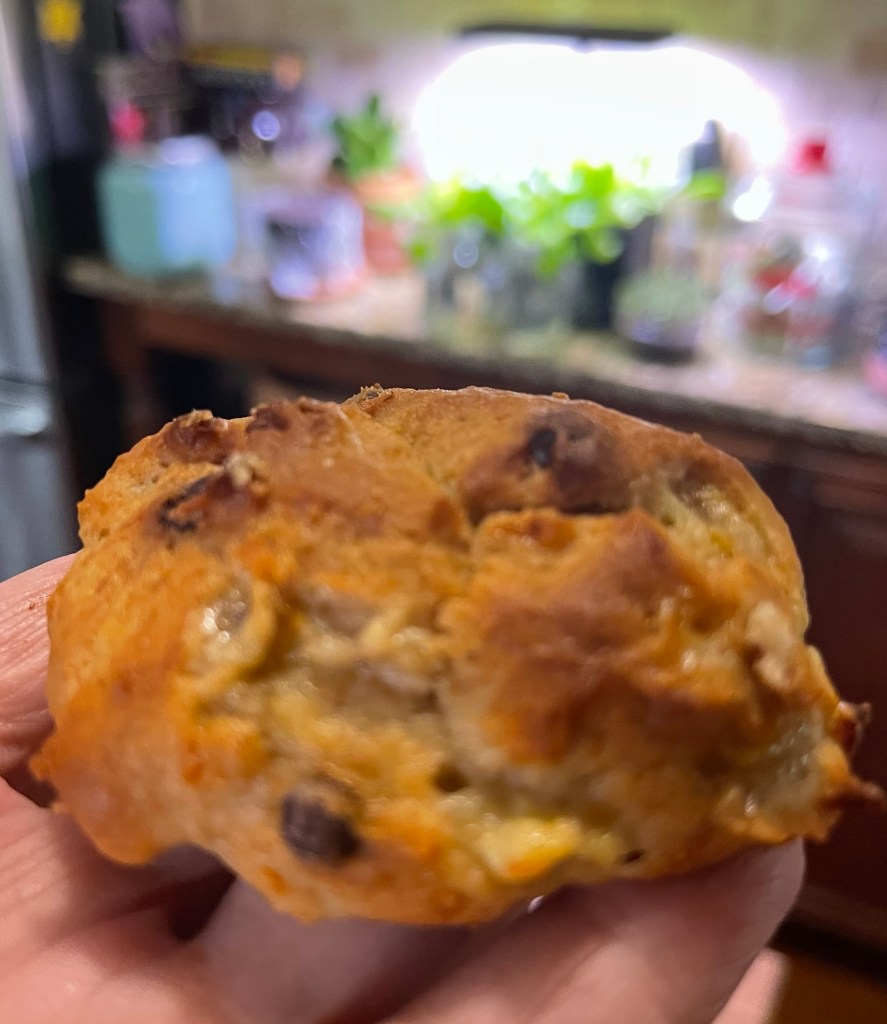
Peanut butter chocolate chip mookies

These are great without the peanut butter for more of a banana taste. They’re great with chopped walnuts for a take on banana bread flavor. They’re also great with a bit of cocoa powder for a chocolate mookie. The possibilities are limitless.

They’re airy, light, and delicious.

I hope you and your family enjoy this delicious treat as much as our family does. For now, God bless from the mountains of Kentucky.

Delicious Organic Granola

Hello, from the mountains of Kentucky! It’s a rainy day in the mountains, which always puts me in the cooking and cleaning mood! So, today I decided to begin cleaning the pantry out and realized that I had an abundance of oats and nuts that I needed to do something with. I went down a rabbit hole and started planning granola! The pantry didn’t get cleaned completely, but I did make some delicious granola! I hope you and your family enjoy this recipe as much as we do.

Ingredients:

  • Three cups of organic old fashioned oats
  • 1/2 cup organic chopped walnuts
  • 1/2 cup organic chopped almonds
  • 1/2 cup organic chopped pecans
  • 3 tbs organic raw pumpkin seeds
  • 2 tbs organic sunflower seeds
  • 1 tbs organic chia seeds
  • 2 tbs organic ground flax seeds
  • 3 tbs gogi berries or raisins
  • 1/2 tsp pink Himalayan salt
  • 1/2 cup of organic pure maple syrup or honey
  • 1/2 cup smooth organic peanut butter
  • 1/2 cup organic olive oil
  • Agave or honey for drizzling not mixing.

Mix all the dry ingredients and preheat the oven to 320 for convection. Mix the remaining ingredients over low heat until it comes together smoothly. Pour the wet ingredient into the bowl of dry and gently stir with a rubber spatula. When mixed spread out on a parchment lined baking sheet. Spread evenly and bake for 20 minutes. Remove and mix the granola with a metal spatula. Return to the oven and bake 20 more minutes. Take out of the oven and drizzle your choice of honey or agave and put under the broiler for just enough time for the granola to brown up lightly. Remove from the oven and allow it to cool completely on a wire rack.

Mixing the ingredients.
Spreading the granola in a baking sheet.

Using the spatial mix the granola gently once it’s cool. Store the granola in a glass jar. Keeps for a couple of weeks if it is in an air tight container.

This is a two gallon jar! I’ve got another batch of granola to add to it.

I hope your family enjoys this tasty granola. I think it’s great alone as a snack and wonderful in a parfait. I also like it in a bowl with almond milk as a cereal.

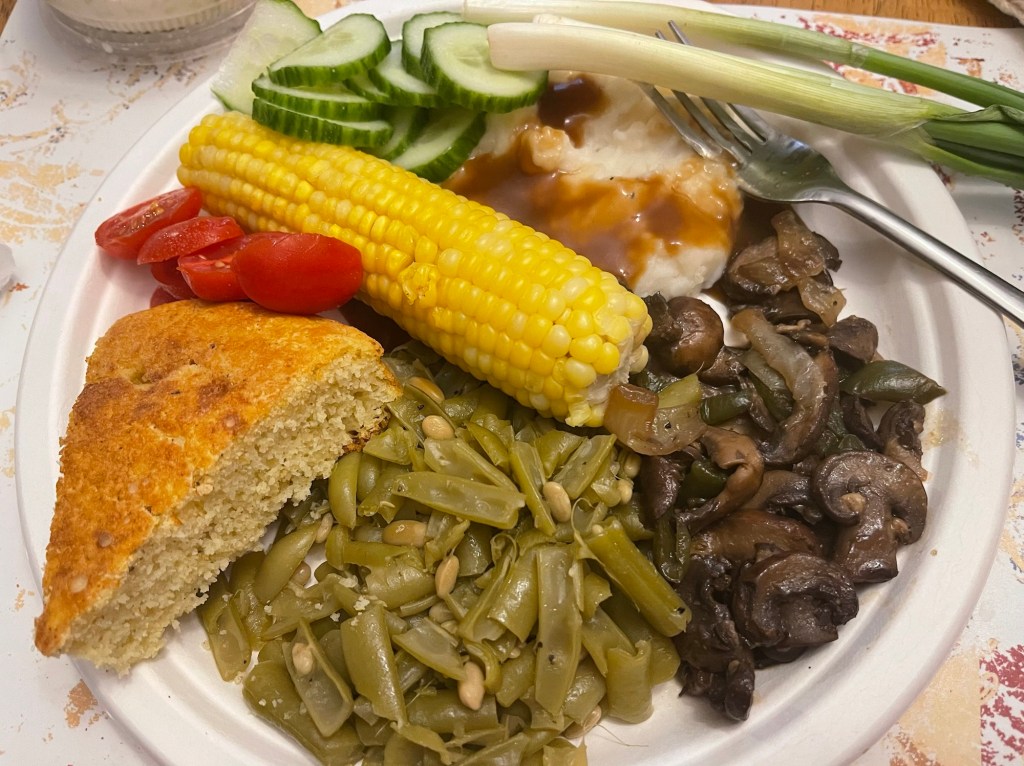
Dinner

Just for fun! A picture of dinner this evening. Fresh beans, corn, potatoes, onions, cucumbers and tomatoes with sautéed portobello mushrooms with peppers and onions and a slice of cornbread. Nothing better than veggies from our garden!

For now, God bless from the mountains of Kentucky! Don’t forget to like, comment, and or follow! We

Vegan Italian Spinach Wraps

Good morning from the mountains of Kentucky! I hope your day is a blessed one. I am excited to bring to you my new spinach wrap recipe that I’ve been working with for a couple of weeks. Saturday’s wraps were the success that I’ve been working toward! I hope you enjoy them as much as we do!

Ingredients:

  • 3 cups fresh organic baby spinach
  • 3 cups all-purpose flour (I prefer King Arthur unbleached or wheat)
  • 1 1/2 teaspoon pink Himalayan salt
  • 3-4 tablespoons organic extra virgin olive oil
  • 1/3 cup cold filtered water (this can be modified if needed)
  • 1 teaspoon fresh ground oregano
  • 1 teaspoon fresh ground basil
  • 1 teaspoon fresh ground parsley
  • 1/2 teaspoon fresh ground black pepper
  • 1/2 teaspoon organic ground garlic

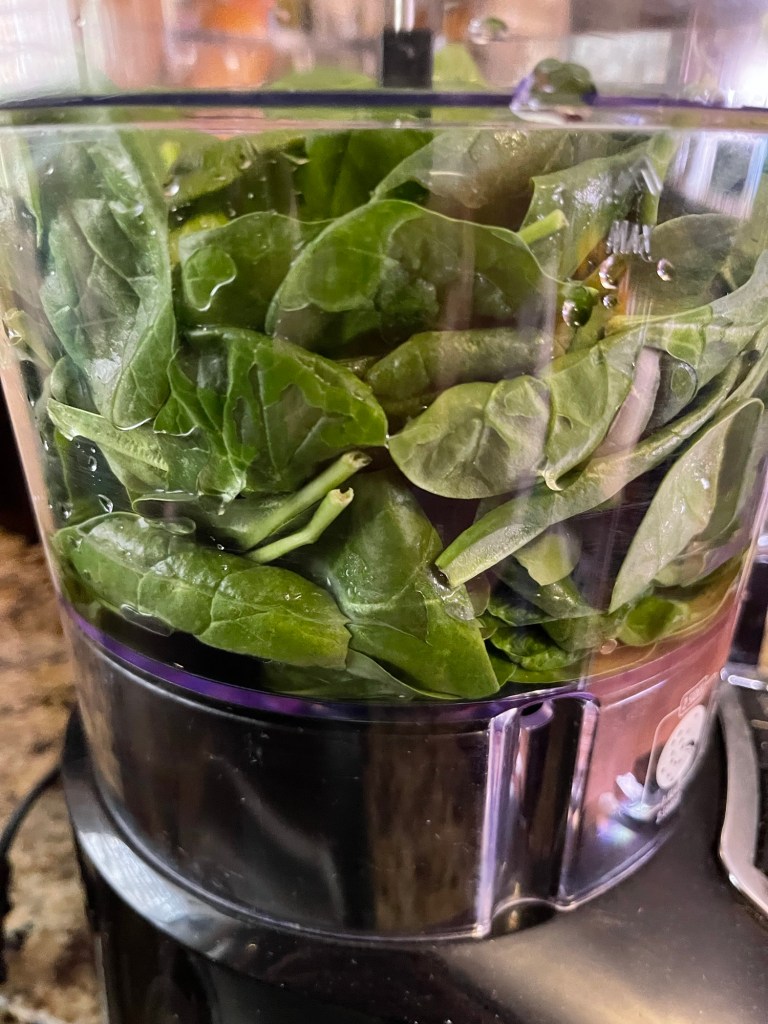
Add one cup of spinach and one cup of flour to a food processor dicing it to allow room for an additional cup of each. Dice again and add the remaining spinach and flour. Add spices, and process adding oil slowly as the mixture mixes. Add water until you have a dough consistency. Sometimes the amount of water varies. Only add what you need. If the mixture is too wet, add an additional spoon of flour and mix. You can’t go wrong on this mixture if you achieve a doughy consistency. You can play with the oil as well. If you need more, add a tiny bit.

Fresh spinach is the best!!

Preheat a cast iron skillet. I use ceramic cast iron for this and it works great. Add a tiny spray of organic extra virgin olive oil to the pan to heat. While the pan is heating spoon out a large spoon of the mixture onto a floured dough sheet or parchment paper. Using flour on your hands roll the dough into a ball and then begin rolling the dough flat.

Ball of spinach dough.
Second rolling of the wrap.

A second rolling of the wrap ensures the desired thickness of the wrap. You can sprinkle flour over the wrap to prevent it from sticking. Once you have achieved the desired thickness, lay your bread in the hot pan. It only takes about 1 1/2 minutes per side. While my bread is browning, I usually roll another piece of dough. Parchment paper, coffee filters, cheese cloth, or white paper towels between the wraps will help prevent them from sticking until they’re cooled.

Preparing the wrap!
This is the thickness that I like!

Remove the bread and place on your choice of liner. Once the wraps are completely cooled, I place mine in an airtight container and keep them in the fridge for fresheners. This recipe usually yields eight to nine wraps. They taste great warmed with fresh veggies, a smear of peanut butter, as a side for Italian dishes, and extremely good with no dairy cheese melted on them.

You may substitute seasonings for Mexican seasonings, plain with a little salt and pepper, or with curry seasonings. The possibilities are endless. I hope you enjoy these as much as we do. I look forward to posting new wraps. I am currently working on a high fiber flax wrap. I would love to hear how you eat yours! Feel free to like, share, comment and follow. For now, God bless from the mountains of Kentucky!

Garden Time

Garden Time!!!

Good morning from the mountains of Kentucky! Cold air invaded the mountains last night. It was a chilling 28 degrees when I awoke this morning. I was thankful that I had covered my ferns up last night. We have several mountain winters in March and April in Kentucky. With so many of the trees and bushes blooming early this year, it’s difficult to determine which winter it is. I’m not sure if this cold snap is redbud winter or dogwood winter. Nevertheless, hope remains as these small winters only last a day or two and then it’s mild weather again.

The smell of yesteryears lingers in the air as the garden was turned this week. The smell of fresh soil always reminds me of growing up only a few miles from where we live. Papaw plowed with a mule and plow from morning till evening. He would wipe the sweat from his brow, fan with his hat, rest a bit and return to his work. The smell of the rich dirt lingered in the air just as it does here today. The chickens are enjoying the freshly plowed ground as well. They love to scratch and search for worms in the loose dirt.

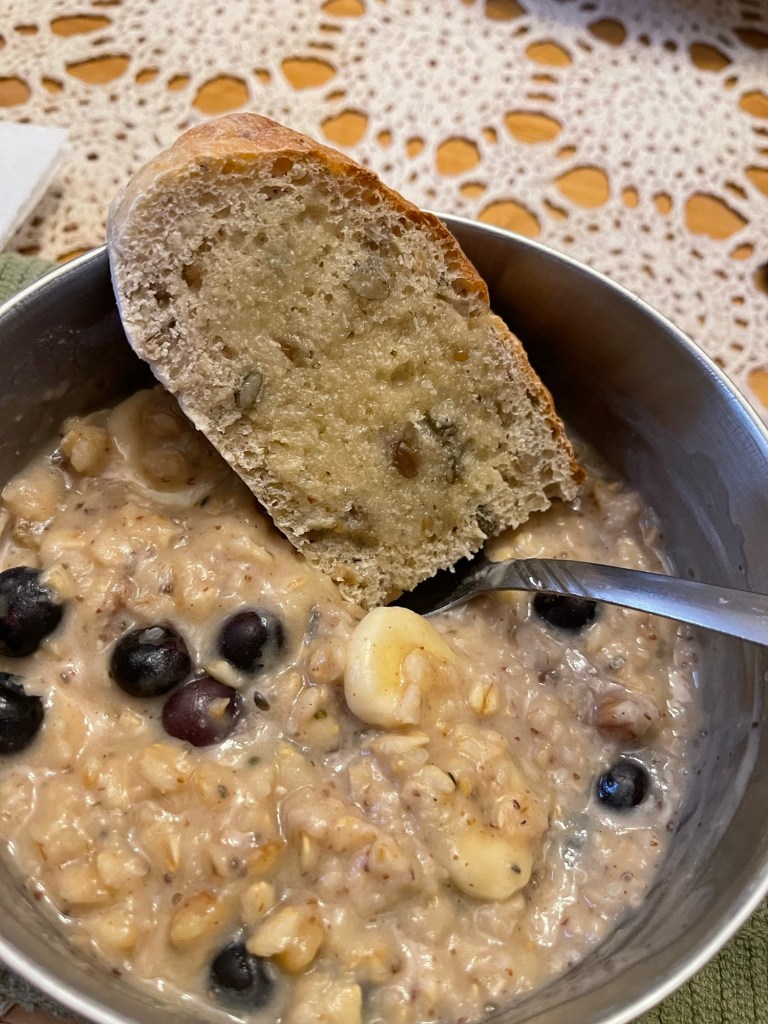
As I prepare breakfast this morning, I am reminded of eating oatmeal with my Papaw. I felt an unction to prepare a hardy bowl of oats, as he called them. I like to use a half cup organic oats, filtered water, fresh honey for the sweetening, and whatever fruit I have available. This morning I added a half of an organic banana, and some organic blueberries. I include a tablespoon of organic walnuts, a teaspoon of flaxseed, hempseed, and chia seeds. White serving I drizzle with almond milk and a tiny bit of honey. I toasted a slice of my homemade seeded bread with breakfast this morning. It’s a hard breakfast that will sustain me until late in the afternoon.

Delicious plant-based breakfast for a busy day!

I’m excited about planting this year. The manure has been spread and the first turning of the garden is complete. Seeds have been sewn in miniature green houses, and in the hydroponic garden. Fresh vegetables are a joy in the summer months. Fall is a time of harvesting and preserving for the winter months ahead. It’s not for the faint of heart, but for those who enjoy eating what they’ve grown from seed to nourish their bodies.

Spreading natural fertilizer.

Gardens can be as large or as small as you want them to be. For us, a large feeds our families all summer and sustains in the cold months. We usually have an abundance to share with neighbors, extended family, and church family. It seems the more we give to others, the more it grows.

Organic lettuce in one of the hydroponic gardens seven days after seeing the seed.

Eating healthy is a large part of being healthy. Eating organic, plant-based, and clean is a foundation for overall health. Get up and get moving! Being active helps prevent and fight many diseases that plague people across the world. Make it a point to know the ingredients in the food that you put in your body. Know the vocabulary of hidden toxic ingredients. Do your research, and start small and make changes weekly. For example, I no longer buy bread that is deemed healthy, but is it really when you can’t pronounce fourteen of the twenty seven ingredients. I choose to bake bread for my family on Saturday mornings. My recipe has four ingredients, of which one is water, and I add various organic seeds for the crunch and fiber. The following is a link to my bread recipe. It’s easy, doesn’t require an abundance of time and tastes delicious. Give Us This Day Our Daily Bread

Living a clean and holistic life is very gratifying. The rewards are great and exceeds the long days and time spent prepping, preparing, and growing, foods that nourish your body, not poisoning them a little at a time with toxic ingredients found in processed foods.

The first turning of the garden!

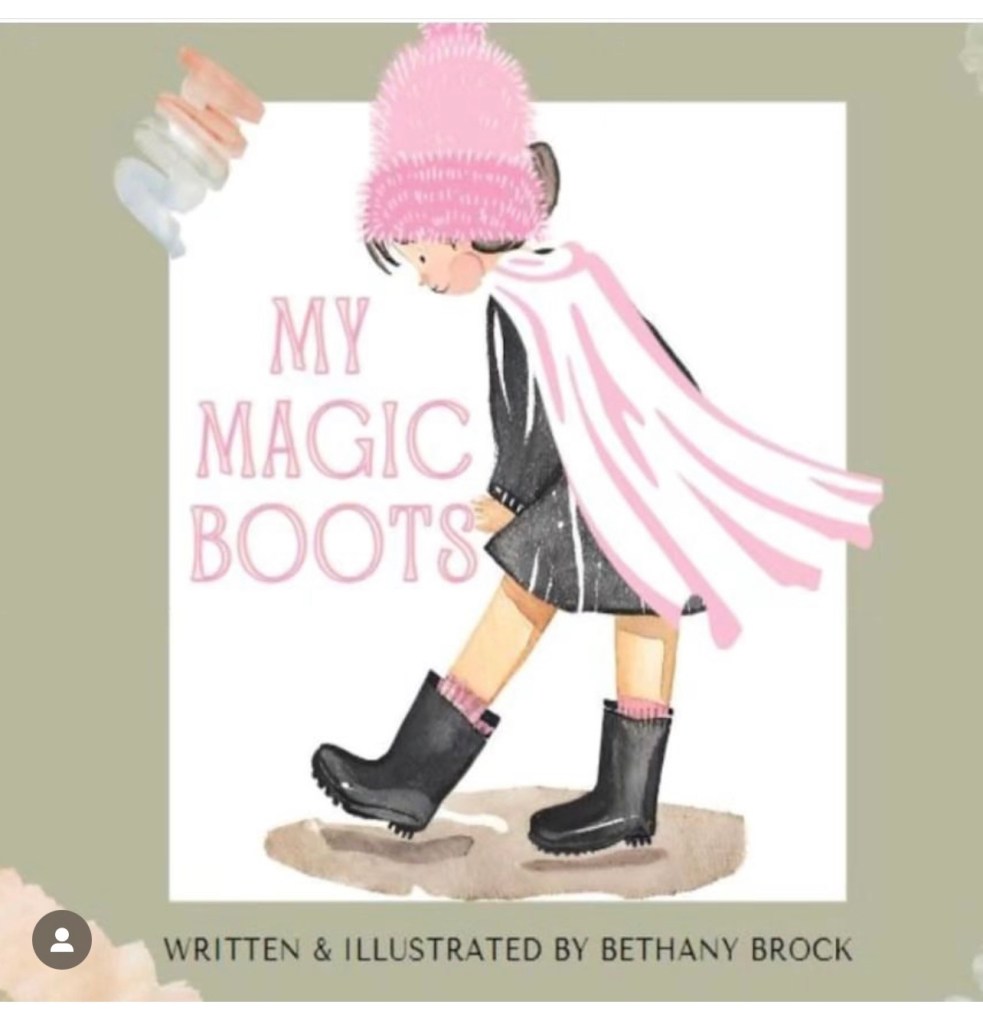
I would like close with a great book suggestion for young readers, as a read aloud, and great for the primary classroom. It is written by our daughter and it’s beautifully written and illustrated. Check the book out at the following link;

http://My Magic Boots https://a.co/d/bcIP0sC

Link is added above.

God bless from the mountains of Kentucky! May your day be filled with joy, hope, the love of Christ, and good nutritious foods that can help heal you from the inside out. Feel free to leave a comment, like, and or follow by blog for more posts on clean and holistic living.

First turning of the garden complete! Awaiting a second plowing and plants!

Moist Vegan Banana Bread

Hello from the mountains of Kentucky! I am super excited to share a new recipe that I have been experimenting with and finally perfected it last week. I love a good moist banana bread. I have tried several vegan recipes with little to no luck with the right amount of moisture and sweetness. This recipe fits the bill for both. It’s quick, easy, and requires minimal ingredients and those that you probably already have in your pantry. It’s also delicious with a cup of hot tea!
Ingredients:

  • One large overly ripe organic banana or two small overripe bananas
  • 2 cups all purpose flour (I like King Arthur’s unbleached flour)
  • 1/2 tsp pink organic Himalayan salt
  • 1/2 tsp anti-caking organic baking soda
  • 1/2 tsp organic all spice
  • 3/4 cup organic cane sugar
  • 1/2 cup almond milk
  • 1 tsp good quality Non-GMO vanilla extract
  • 1 tsp organic apple cider vinegar
  • 1/2 cup unsweetened applesauce
  • 1/2 cup chopped organic walnuts
  • Add in options can be; chocolate chips, pecans, raisins, or cranberries.

Process:

Preheat oven to 350 degrees. Spray or butter a glass 8×8 baking dish. Line it with parchment paper and then spray or butter the paper.

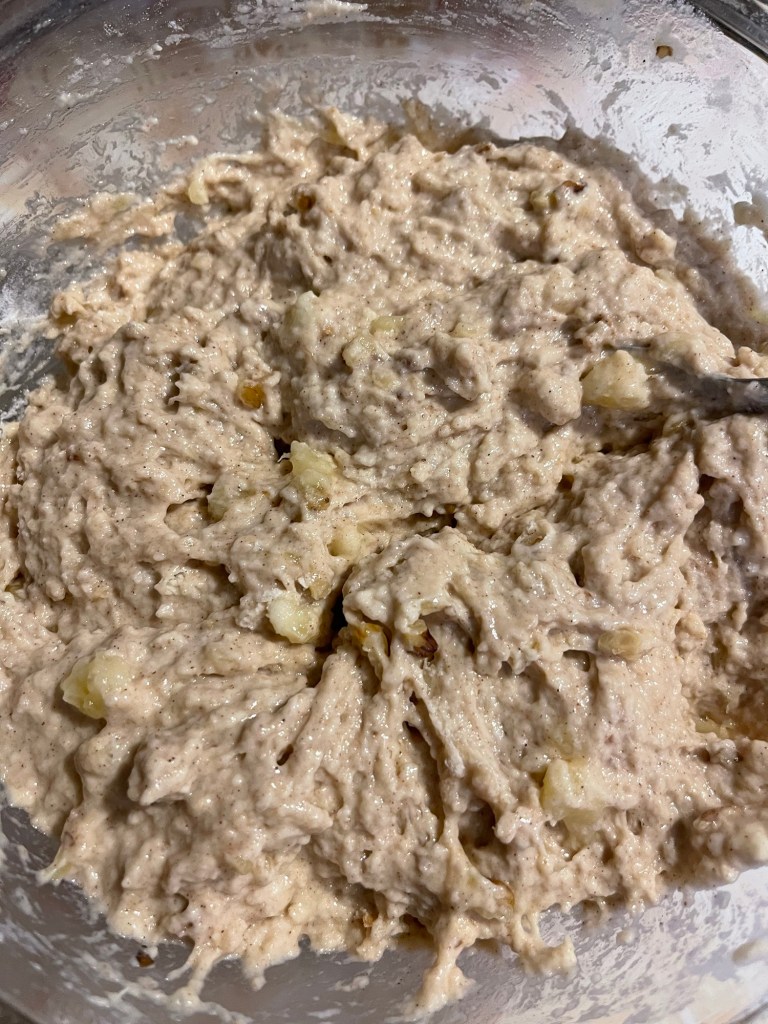
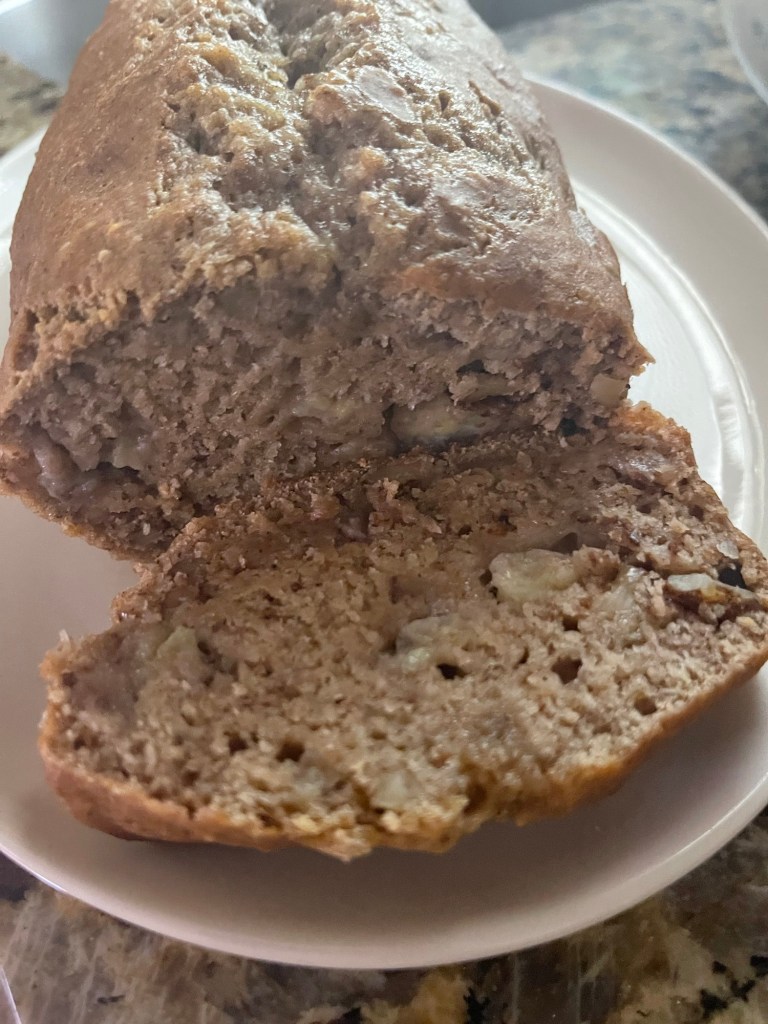
Mash the banana, vanilla, and sugar and mix well. Add salt, baking soda, flour, vinegar, and applesauce and fold the ingredients together without overmixing. Add the milk a little at a time and until the batter well. Fold in the walnuts. Add the bread mixture to the lined glass baking dish. I baked my bread for 45 minutes. I checked it at 30 minutes and determined it needed fifteen more minutes to be baked through and through.

Mixed ingredients

I removed my bread from the parchment paper and set it on a baking rack to cool for thirty minutes. Once the bread was cooled, I placed it in an airtight container. I have enjoyed this bread all week as a snack with my lunch, toasted for a light breakfast, and in the evenings with coffee or tea. It is tasty, moist, and not overly sweet but flavorful.

You may add more sugar or even honey for a little more sweetness. If you’re not a fan of walnuts, pecans are a great substitute. I like to toast this bread for breakfast. It’s delicious with a smear of honey or plant butter. Unsweetened dark chocolate chips are a great addition as well. Either way you eat it, as breakfast, a snack, or dessert, it’s a delicious bread.

For now, God bless from the mountains of Kentucky. Feel free to comment, like, and subscribe. I look forward to hearing from you.

Tea Time Tuesday

Fresh peppermint tea in my favorite tea mug!

Good afternoon from the mountains of Kentucky! Today feels like spring in the mountains. Easter Lillie’s are bloomed, some of the trees and bushes are budding, and I see green plants emerging through the flower bed covering. I am excited about spring as it always feels like an opportunity for new beginnings, time to plant, and time to enjoy the beautiful mountains that we are blessed with.
Summer in the mountains!

For those of you who are serious tea drinkers, and for those who enjoy a cup of tea from time time… you’ll enjoy my series, Tea Time Tuesday. It will be a reoccurring blog post that will include random topics ranging from making teas, uses of teas, to recipes that include tea in them, and occasional recipes for goodies to eat while drinking tea. I will also review books I’ve read while enjoying a cup of tea. While some posts might be simple ramblings or inspirational words. However, today’s post is about a topic that is worthy of conversation. Loose tea verses tea bags.

I’ve been an avid tea drinker for years. I like almost all flavors of teas. But, I do have a few favorites. I love a good chai tea with oat milk, and lavender. I drink peppermint tea almost every day. I like black teas and love a good chamomile tea with either honey or lavender and sometimes both. Regardless the tea I drink, I prefer loose leaf to tea bags. The tea that I grow and dry does not even compare to purchased teas, but there are times when I buy loose leaf, especially black tea and chamomile tea. So, why do I prefer loose leaf to bagged tea? Loose leaf is more flavorful, I don’t have to worry about how long it’s been shelved, I don’t have to wonder if the bags are good quality or could they be toxic. There are so many different reasons, but flavor and the ability to use a tea ball of loose leaf tea a second time, which is a great money and tea saver, especially if you purchase tea. If you don’t like a tea ball, you can always purchase organic tea bags that you can fill yourself. The organic tea bags are great for tea on the go. They store easily in my lunch bag that I carry to work.

I’m curious about your preferences. Which do you prefer bagged tea or loose leaf, and why? I would love to hear from you. For now, God bless from the mountains of Kentucky. I think I’ll enjoy a cup of tea and porch sit a little while on this beautiful spring-like day!

Making Organic Elderberry Syrup

Beautiful fall mountains of KY

During COVID many people rediscovered the health benefits of elderberries. I, myself, started taking a good organic elderberry supplement to enhance my immune system. Finding organic elderberry syrup was difficult or ridiculously expensive at the time, and the supplement was not inexpensive. After paying for the supplement for a few years, I decided to try my hand at making elderberry syrup. I am very pleased with the results and inspired to share my recipe with my readers.

There were challenges along the way. But, with determination, I was able to overcome those. First, I wasn’t able to find someone with an elderberry tree that was willing to part with elderberries, so I did the next best thing. I looked on Amazon for organic dried elderberries. The ones pictured below had the best price, largest amount, and the best rating.

Dried organic elderberries from Amazon

Next, I experimented with the amount of elderberries I would mix. After a bit of research and experimental tries, I decided the syrup would be tastier with some spices added. After a few batches, I decided on the addition of organic clove, organic ginger, organic cinnamon and local honey. With this in mind, I was ready to see if the taste was right. It was delicious!


Ingredients (makes a pint)
3/4 cup Dried elderberries
3 cups filtered water
1/2 tsp dried clove
1/2 tsp doTERRA clove essential oil
1/2 tsp doTERRA ginger essential oil
1/2 tsp dried ginger
1 tsp cinnamon
Fresh honey to taste

Essential oils are optional. I love the benefits of them and the taste. Read the labels closely before using to ensure they’re consumable.

Process

Add the three cups of filtered water to a stainless steel saucepan. Add 3/4 cup dried elderberries. Add the remaining ingredients except the honey. Bring the ingredients to slow boil. Set a timer and boil the mixture for 45 minutes. After 45 minutes turn the burner off and cover the mixture and allow it to cool. When the mixture is completely cooled strain completely through a fine mesh strainer into a clear pint jar. Cheese cloth can be used as well. Add fresh honey to taste and stir well. Place a lid on the jar and for a better taste keep it refrigerated.

My fist jar after a couple of days of use.

I take a tablespoon a day. A pint typically lasts for two weeks. The taste is wonderful. Elderberry’s have a wide array of health benefits. I’m not sure if the elderberry syrup helps increase one’s sleep, but I have slept unusually well since I started using the syrup as a daily regimen.

I hope you enjoy this simple recipe. Feel free to comment or leave questions. For now, God bless from the mountains of Kentucky!