My Top Ten Favorite Herbs (Part Eight- Lemon Balm)

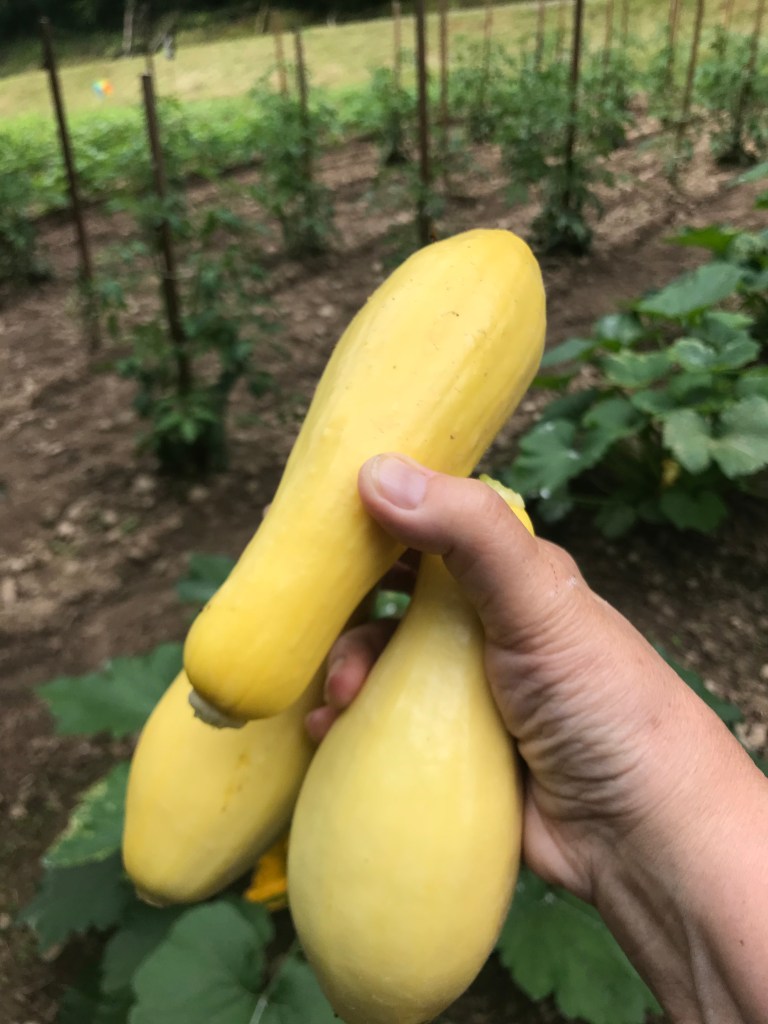
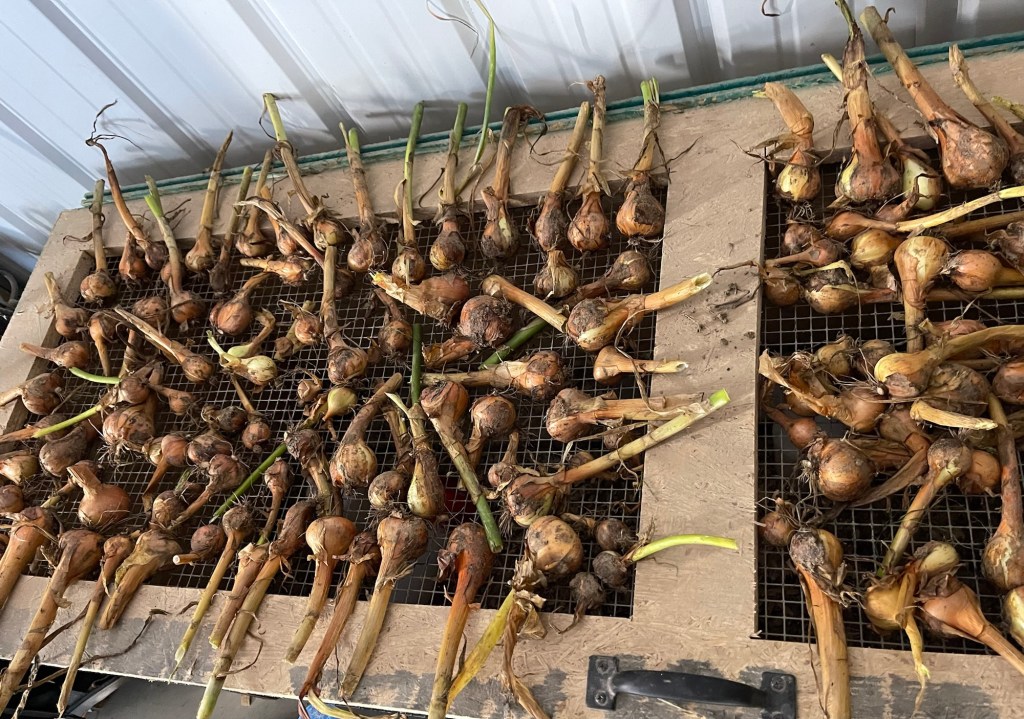
Hello, from the mountains of Kentucky! It’s been a busy start to July on the homestead. We have been working fiercely in the vegetable garden on dry days because we’ve had a magnitude of rainy days this spring and summer. The garden looks great! Everything seems to be flourishing. We’ve been picking a lot of cucumbers, zucchini, and summer squash. These are our favorites! We love incorporating it with breakfast, lunch, and supper. We can, freeze, and dehydrate squash and zucchini. We harvested last summers’ onions a few days ago to dry for winter onions and planted a new row of onions to eat this summer and fall.

Summer squash
Last season’s onions
Drying last season onions for the winter.
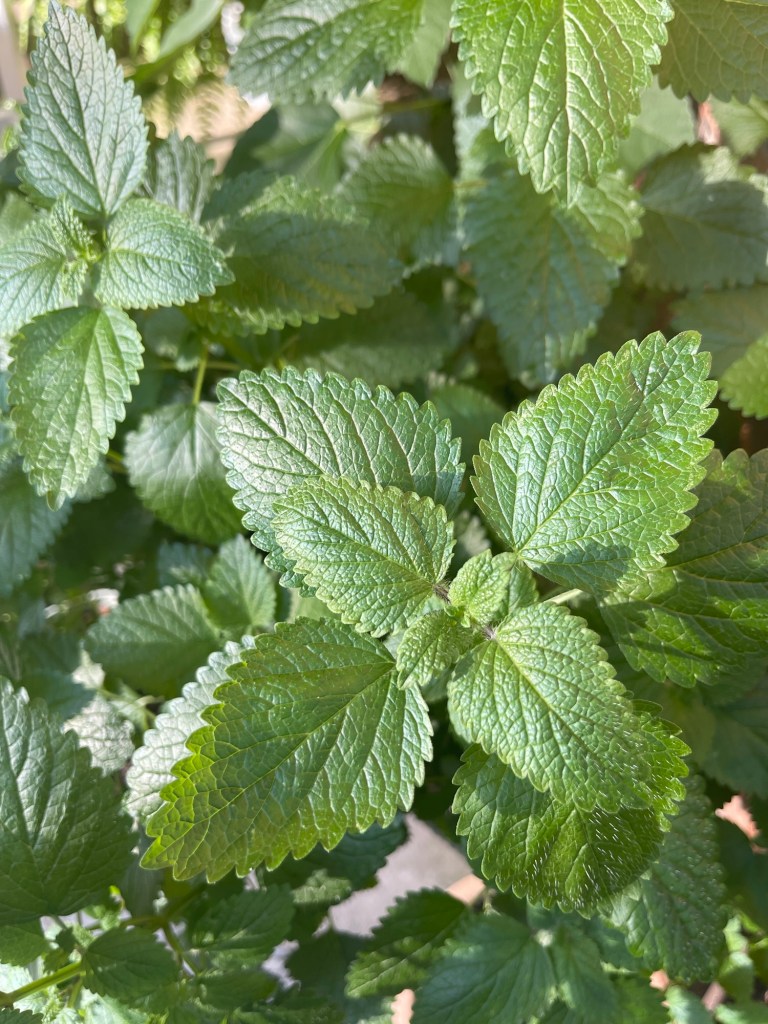
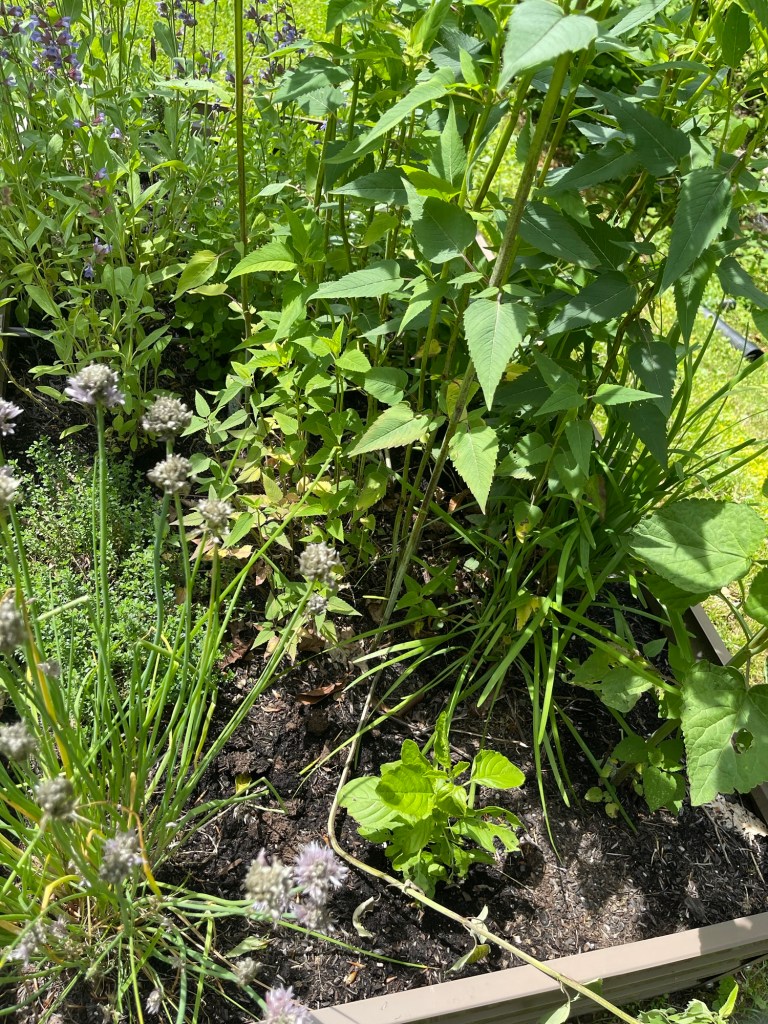
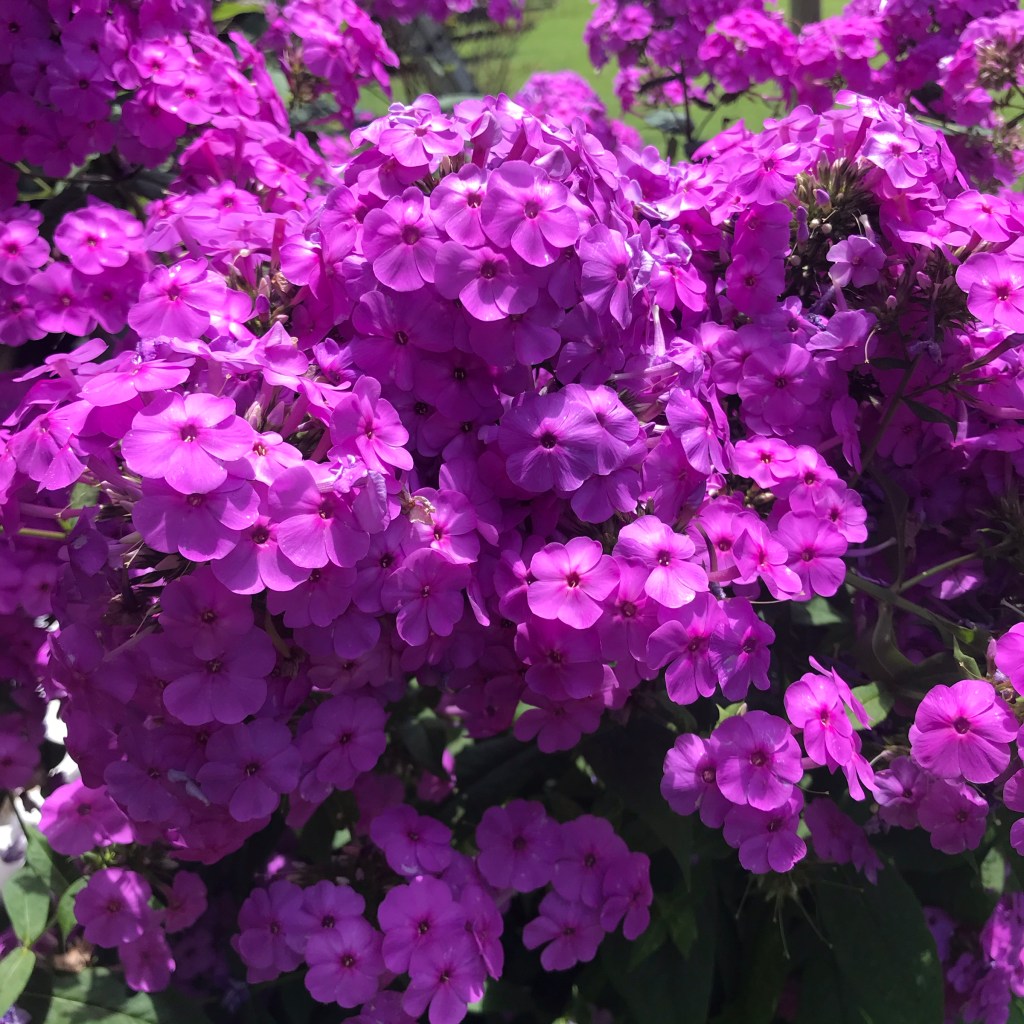
Lemon balm plant

Enough about the homestead, this post is about one of my favorite herbs, lemon balm. Lemon balm (Melissa officinalis) is an herb from the mint family. The leaves have a mild lemon aroma and a lemony taste. The leaves are used to make teas, medicinal salves, oils, and to flavor foods. Our favorite use of lemon balm is making tea. Lemon balm tea is great to relax after a busy day. It not only has a relaxing element, it soothes as well. We have found that the leaves can sooth a cold sore, and minor scrapes. Sipping lemon balm tea can also help ease indigestion.
Growing Lemon Balm

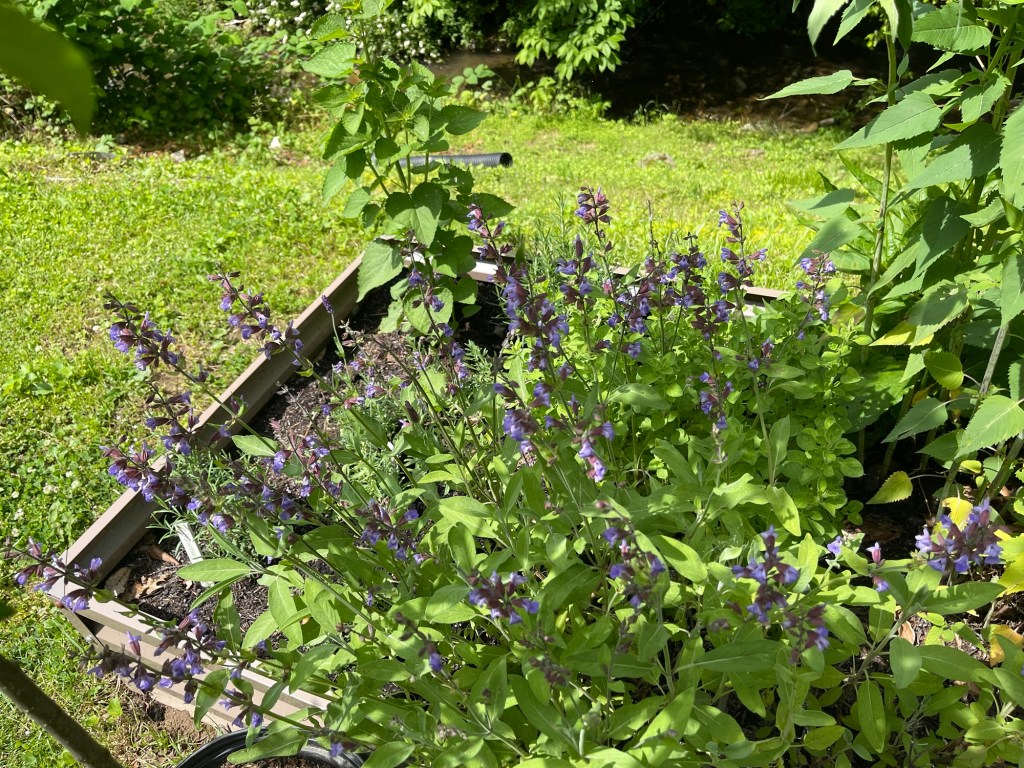
Lemon balm is a perennial that loves to thrive in partly sunny beds. Forewarning, it It will spread quickly and overtake other plants. We grow it in a huge flower pot as it is a bit of an escape artist and will escape beds and overtake other plants. After the last harvest, the pot is covered with a warm bedding to protect the roots from the harsh winter elements. Some years, it returns and some it doesn’t. However, it is easy to grow from seeds. The plants are also inexpensive at most green houses. It will always return if you plant it in the ground. It can be planted in an isolated bed and thrive for years to come. Like all mints, the more it’s pruned, the thicker it gets. It actually needs pruned frequently in the summer and early fall to prevent it from getting leggy. Pruning is easy. I use kitchen shears to snip the stem between the leaves. Before you know that snipped stem produces two or more new stems that produce more leaves. A good cutting does it well.

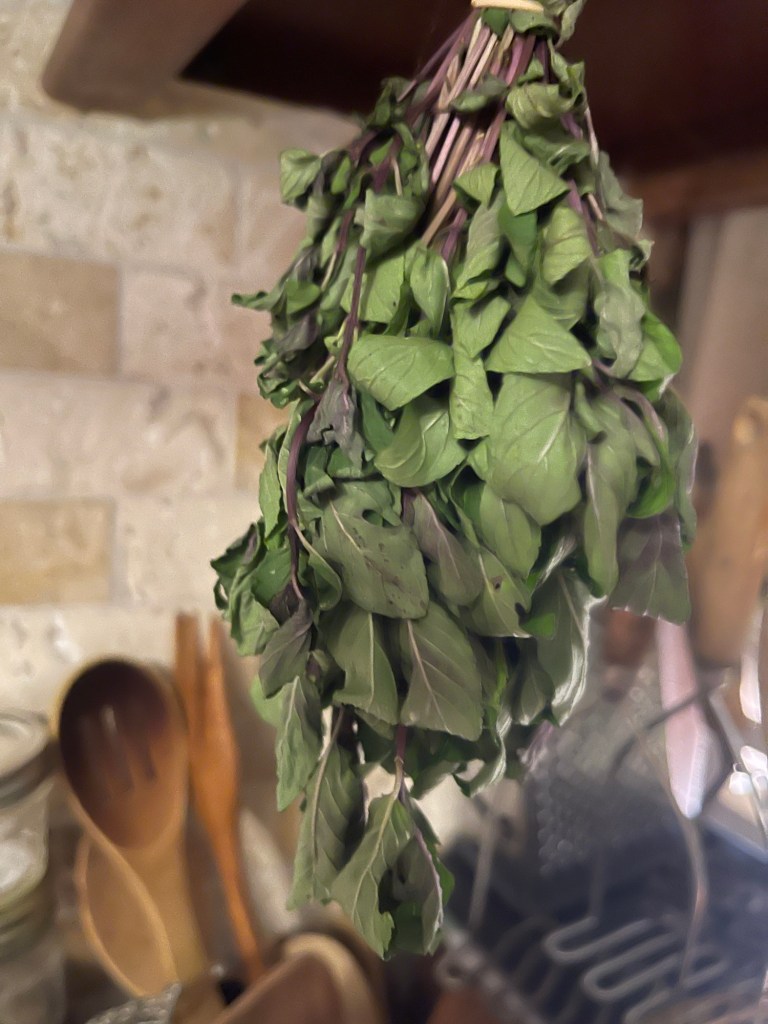
Drying Lemon Balm For Tea

Lemon balm is easy to dry. I typically cut small to medium quantities throughout the summer and a large amount with the final harvest of the season. For the smaller amounts, I prune the stems with the leaves in tact, and spread them over a cheese cloth or paper towel in a large sheet tray placed in a well ventilated place in the house. For the larger harvests, I use a large mesh drying rack in the garage. Once the leaves are brittle and crispy, they are ground for teas and spices. I store my teas in glass jars in a dark cabinet. Teas usually maintain their flavor for up to three years before they become rancid. To make a cup of lemon balm tea, add tea leaves to tea bag or tea ball and place it in your desired tea cup or mug. Pour boiling water over the tea ball or bag and allow tea to steep for at least five minutes. Removing the ball or tea bag is optional. Your tea is ready. It is a delicious lemon flavor that we enjoy for the taste and the soothing benefits. I also find true satisfaction with drinking tea made from the plants we plant, grow, harvest, and dry. Self-sustaining is a satisfying wonderful feeling.

My favorite tea mug

Making Lemon Balm Oil

I love to make lemon balm oil for my skin, to sooth sun burns, to massage sore muscles, and more. It’s easy to make. Dry lemon balm leaves and stems until crispy. Once the leaves are dried, add them to the carrier oil in a glass jar. I like to use amber jars. I don’t really measure for this oil. It would depend on the size of the jar. For example, I typically fill the jar or bottle about half full of leaves and then add the oil. I like to use organic fractionated coconut oil, you can also use jojoba oil. Seal the bottle and place in a dark cabinet. Give the jar of oil a gentle shake daily and place it back in the cabinet. After three to four weeks, strain the leaves out of the oil and you are ready to use your lemon balm oil. Keep it stored in an amber bottle to help it maintain its strength. Keep in mind this is not lemon balm essential oil, that is an entirely different type of oil.

Don’t Discard the Leaves

Don’t just discard the teas leaves or those soaked in oil! I use teas leaves that have reached or exceeded their shelf life as a weak tea to water my herbs, house plants, ferns, garden plants, herbs, and flowering shrubs. They’re great to add to the soil near squash and zucchini plants in the garden. Herbs are filled with rich antioxidants that are as good for the soil and plants as they are for us. Older teas and dried herbs can be added to the compost for enrichment.

Research to Read

Lemon balm is a versatile herb that is even recognized by The Cleveland Clinic as a herb that can be used medically This is a very interesting read!

https://health.clevelandclinic.org/lemon-balm-benefits

I hope you took time to read the article. It’s actually quite amazing as most medical personnel do not give credit to the medicinal power of plants.

I hope you have enjoyed this post about one of my favorite herbs and a little update from our homestead. Feel free to leave comments, like, share, subscribe, or follow Also, head over to Apple podcast and listen to my podcast, Homesteading in the Mountains, for more tips, ideas, and information about homesteading and more. Have a blessed week! For now, God bless from the mountains of Kentucky! Happy homesteading!

A walk in the Herb Garden

Good morning from the mountains of Kentucky. The sunshine has been a welcome sight this week. The heat has been extreme but I’m not going to complain. I’m glad it’s not raining! The heat presents a challenge with collecting herbs from the garden. Herbs should be pruned in the cool of the morning, and this week the mornings are still quite warm. But today, it’s tolerable and I’m anxious to spend a little time amongst the herbs I love so good. I enjoy cooking with herbs, making teas, baking with dried herbs, making oils, ointments, and using them medicinally. They’re also beautiful in bloom!

Come and take a walk with me in our herb garden. We have herb beds, potted herbs, and herbs in the garden. Let’s start with lavender! The lavender that’s harvested today will be dried for tea and some of the blooms will be used to make lavender butter. Vegan Lavender Butter: A Sweet Herbal Treat From the Mountains… one of our favorites on homemade bread and great on pancakes. This butter can be made with plant butter as the recipe explains or regular dairy butter. I like the dairy free butter and my husband prefers dairy butter. It’s great either way! To make lavender tea. I dry the blooms and leaves and store in glass jars to later be steeped into a delicious tea. My Top Ten Herbs (Part Four Lavender) sew

Pots of common lavender
Pots of Spanish lavender
Common lavender plants in the herb bed. Also shown is rosemary, oregano, and sage.

Rosemary is one of our family’s favorite herbs. I like to dry rosemary to make rosemary salt, spray for my hair, dried stems for a savory addition to meats, and sprigs for bath water. The rosemary that is harvested today will be used to make rosemary spray for my hair. My Top Ten Herbs (Part Six; Rosemary Recipes included)

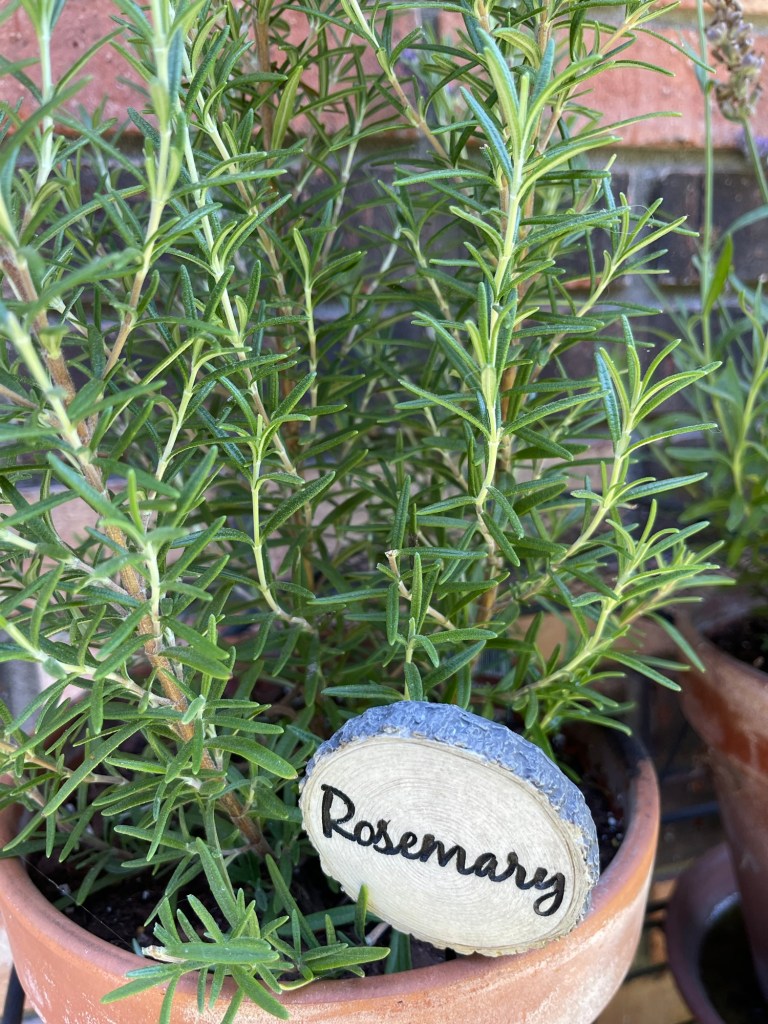
Potted rosemary
Rosemary and lavender in early spring.

Rosemary is an aromatic herb that is a versatile herb we use for a wide-variety of things from cooking to spray for linens. I also like to add a few sprigs of rosemary to my bath water. In the following link I give more useful information about this wonderful aromatic herb. My Top Ten Herbs (Part Six; Rosemary Recipes included)

Orange mint used for hot and cold teas

The orange mint I harvest today will be used for teas. This aromatic herb makes a delicious cold or hot tea. To dry the mint, I clean the cut leaves, pat dry with a towel, and allow to air dry until crispy. The dried leaves are then stored in a glass jar in the pantry. I always label and date the lid for quick identification and freshness. Dried herbs typically last two to three years in the pantry. Once the date has exhausted, I like to make a weak tea to water plants with and then compost the leaves. I think you’ll love this fresh tasting mint.

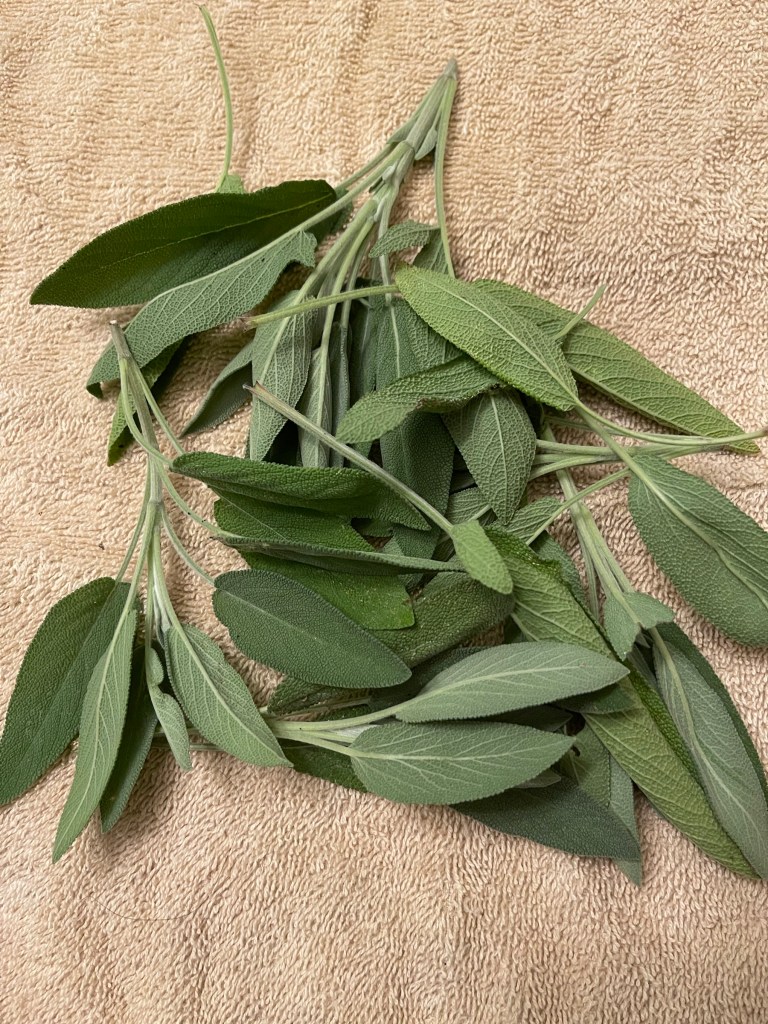
Sage is another favorite herb of ours.

The sage that is harvested today will be dried and added to my sage jar in the spice cabinet. Fresh dried sage is delicious and there is no comparison to store bought sage! Once you’ve tried fresh sage, you will not want to go back to the sage on the store shelves. Yes, it’s a more work, but well worth it!

Oregano is grown in large quantities

My Top Ten Herbs (part five-oregano) this link will take you to a post with some valuable and useful information and oregano recipes. The oregano harvested today will also be added to our spice cabinet.

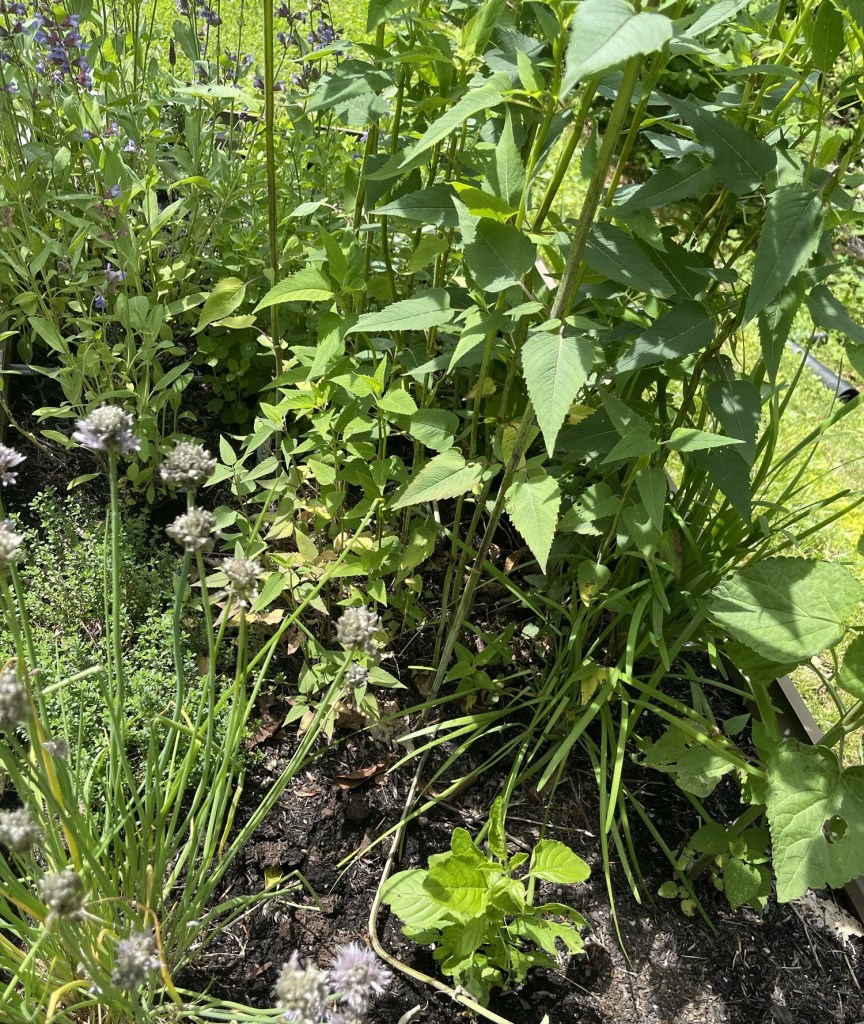
Lemon thyme with a few onion chives sharing the photo

Lemon thyme is great in desserts, in meat marinade, and it makes an attractive addition to the herb garden. The bees love its blooms… almost as much as I do. The lemon balm that is harvested today will be added to our spice cabinet to use when baking lemon brownies, scones, and added to teas.

Potted basil! Basil is a favorite of all our family.

My Top Ten Herbs ( Part Two Basil) basil is one of our favorite herbs. I love to add it to salads, eggs, in spaghetti sauce, pizzas, and more. The link above provides a multitude of information on the herb, how to dry it, and a few recipes. The basil I harvest today will be dried and added to our jar of dried basil for spices. I may add a few fresh leaves in our omelets this morning!

Anise

This anise is loved by the pollinators! The hummers love it as well. It also makes an excellent tea!

Chive blooms amongst the mint.
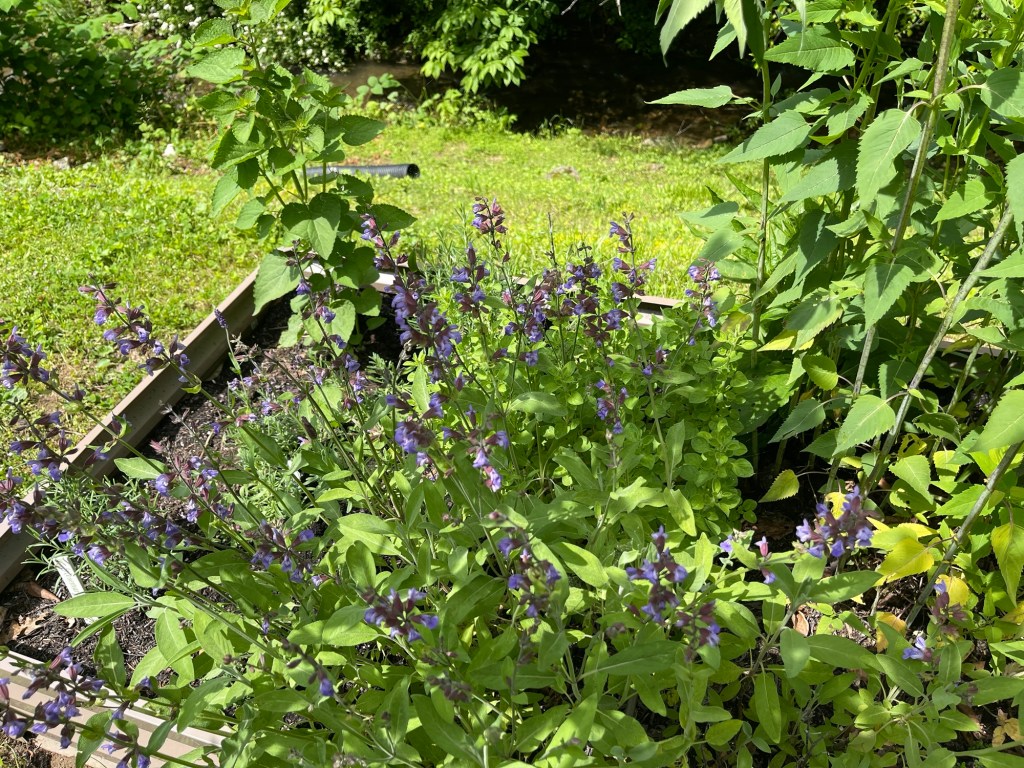
More blooming sage in one of the beds.

The bees love the blooms of the anise herbs.

Echinacea in full bloom!
Yarrow blooms!

Yarrow is an herb that all farms need to grow. It produces beautiful flowers and is a beneficial medicinal plant. It’s quite tasty in salads as well. My Top Ten Favorite Herbs: (Part-Seven: Yarrow)

Chives, holy basil, garlic chives, anise and bee balm.
My favorite for tea!!! Chocolate mint!

This is a wonderful herb for teas both cold and hot, and great for baking. My Favorite Top Ten Herbs (Chocolate Mint part 3)

Georgia the garden goose.
Mint is a versatile and favored herb in our household.

My Favorite Top Ten Herbs (part one – mint) we love mint for teas, baking, and for candies.

More yarrow with a few sprigs of chocolate mint peeping through.
Young oregano plant amongst sage. They pair well together.
My favorite birdhouse that houses martins. Yarrow blooms are seen peeking out in the background.
Bee balm in full bloom. Bee balm makes a great first aid ointment.
Herbs cut from the walk this morning.

Other herbs that we grow that is not pictured in our walk include, tarragon, a couple of varieties of thyme, more basil, oregano, chamomile, mullein, and a few more varieties of mint. We also love to harvest from the wild around us.

I hope you’ve enjoyed our walk through the herb garden. The garden brings me joy, relaxation, a closeness to the earth, In upcoming days, I will take you on a walk through our vegetable garden. Feel free to comment, follow, or share. For now, God bless from our homestead in the mountains of Kentucky. Happy homesteading!

Challenges and Rewards on the Homestead

Hello, from the mountains of Kentucky! How is the weather in your neck of the woods? It’s a bit soggy on the homestead and has been most all spring and now still soggy into the first weeks of summer. This brings me to the purpose of this post, challenged on the homestead.

Rain is one of the biggest challenges we have faced this year. As a result of the continuous rain, we are quite a bit later than usual getting all of our garden planted. We’ve had potatoes out since Good Friday. We have been eating spring onions and have finally planted the cabbage, kohlrabi, squash, zucchini, tomatoes, peppers, watermelons, cantalopes, and cucumbers planted. The zucchini is blooming and the squash is coming along nicely but some of the tomato plants are struggling. We’re taking extra care with them to nurture them through the strange weather patterns to ensure we have tomatoes to eat and preserve.

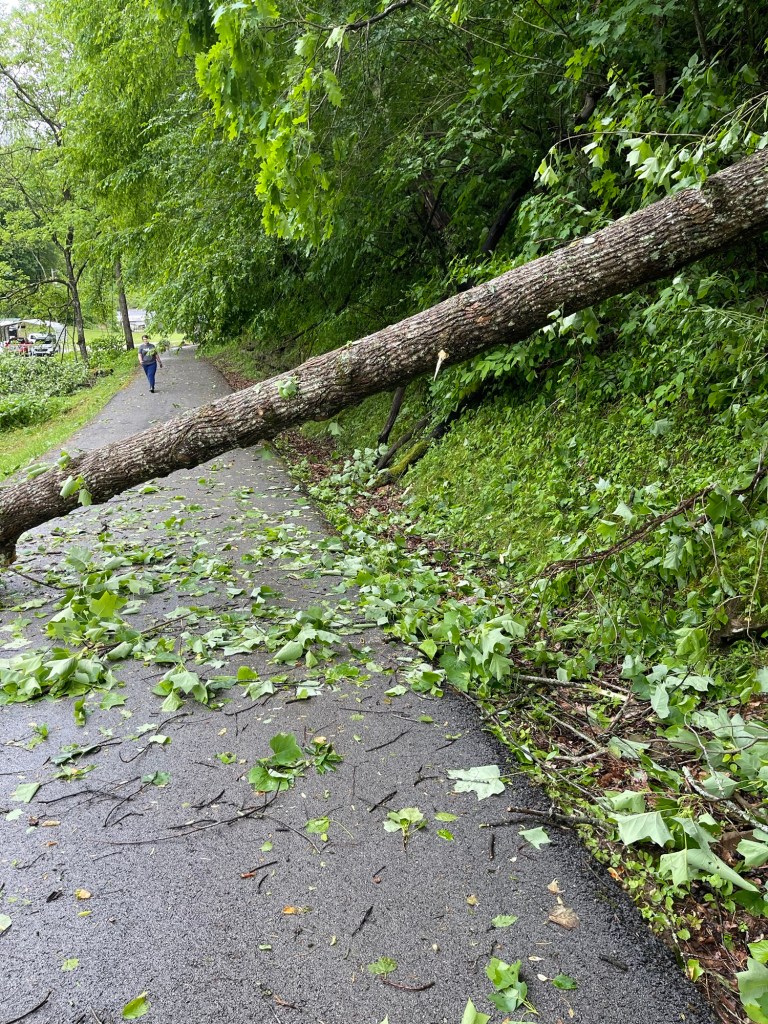
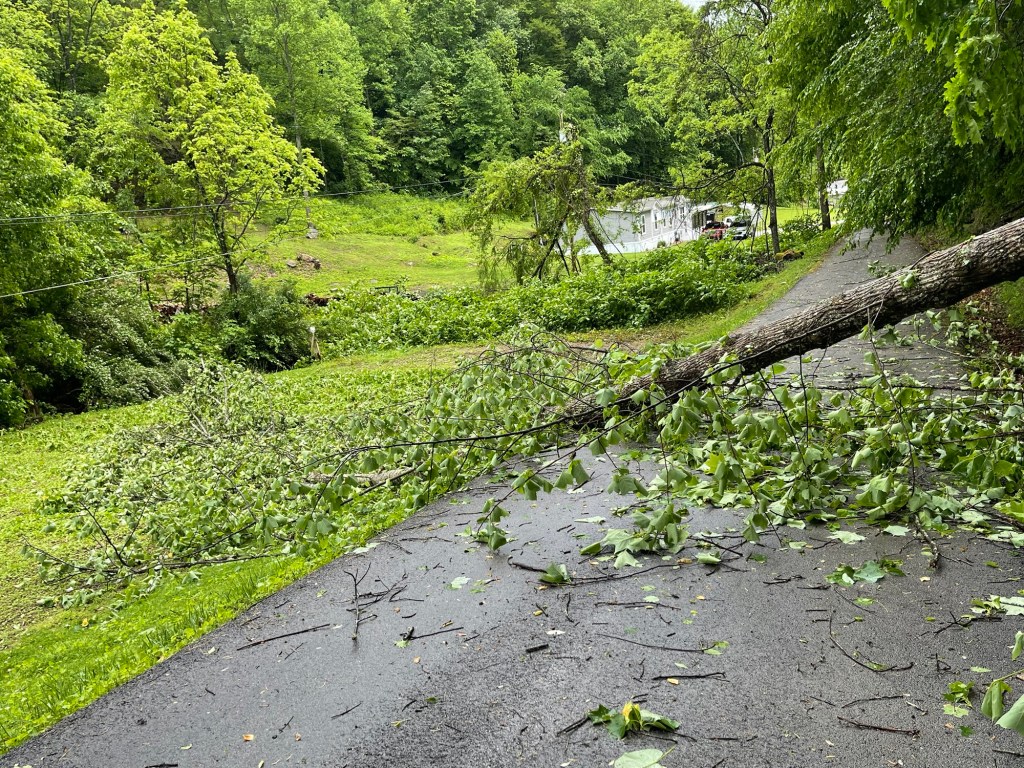
With the excess rain we’ve also had numerous thunderstorms that have brought straight line winds so fierce they uprooted very large trees. Unfortunately, the largest tree fell across our driveway one tree ended up across the driveway and fell into our potatoes. We were blessed it wasn’t a tree that fell on our house. But, it sure wreaked havoc on the potatoes. Now weeks after the tree fell and the branches and limbs have been cleared away, the potatoes vines have all greened back out. We’ll see how potatoes beneath ground endured the damage when we dig them in the fall.

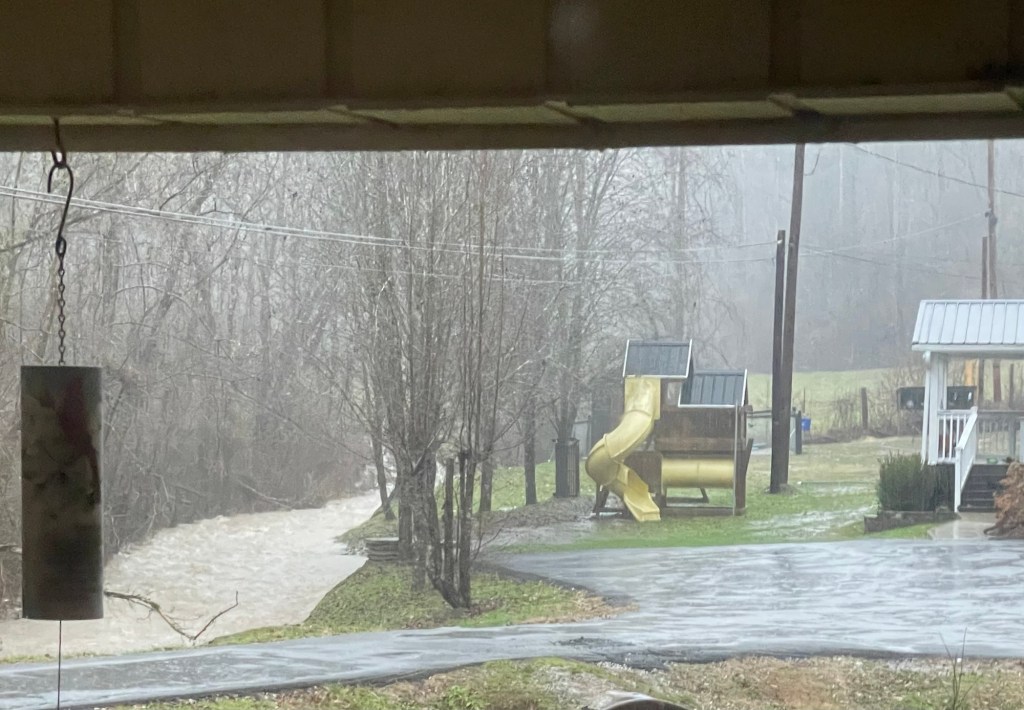
Rain has also caused quite a bit of flooding, which has resulted in the creek banks washing out. To help anymore erosion, we’ve planted a weeping willow tree, which roots deep, which should help protect the bank from further damage.

The abundance of rain turned a small stream to a river!
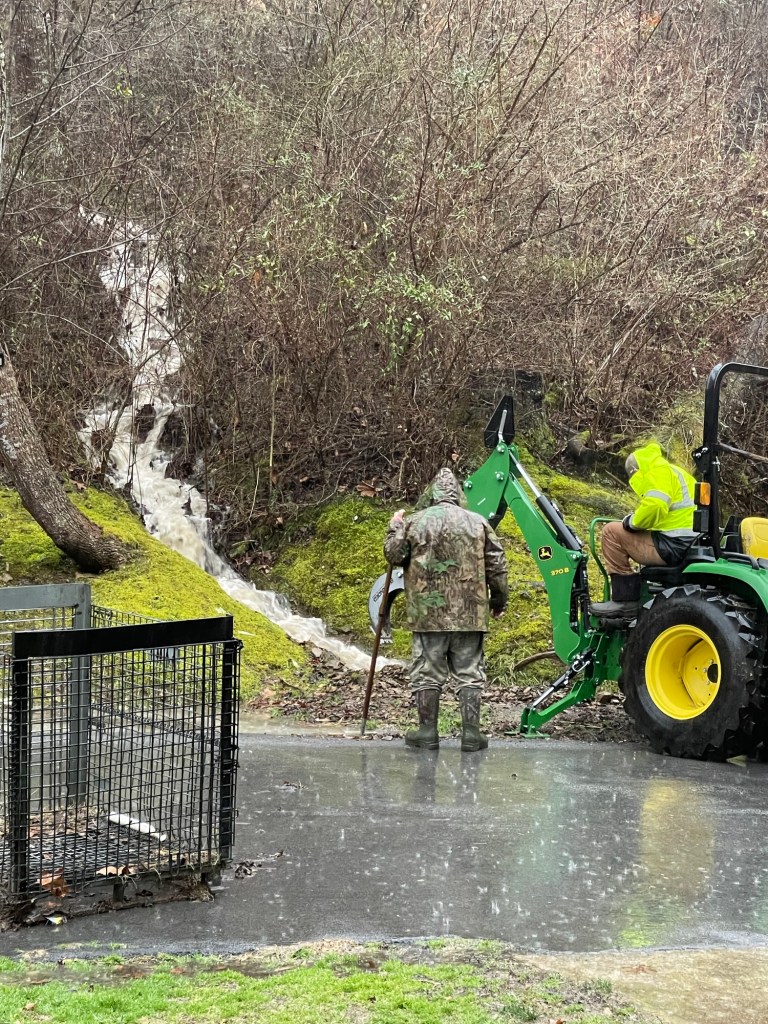
Building up a retainer wall to help guide the runoff water to the creek.

With all the rain, ditching to prevent flooding has been more frequent than most years. The mowing has been a challenge this year as well. It feels like a never-ending job of mowing and weeding on days it’s not raining. Dry days are filled with diligent work mowing, weed eating, and weeding in the garden. Rain and wind has created most of the challenges for us this year, but along with the tremendous amount of rain, we have had to baby plants to prevent them from rotting in the ground. It feels strange to not be picking vegetables this time of the year.

The weather has created a challenge with our chickens as well. They do not like to get out to pick in the green grass when it’s raining. With the lower picking and sunning also comes a decrease in eggs. This leads to more laying mash, handpicking greens for them between rain showers, and providing them ground oyster shells to keep them healthy and maintain egg production.

Once the unusual amount of rain subsided, the challenges of heat arrived with a vengeance. We were able to fence the cucumbers, finish the second raised strawberry bed, and plant six long rows of beans and more peppers before the extreme heat arrived. As the heat index rose, we’ve had to decrease the amount of time spent planting, hoeing, and tilling. That work has been replaced by late evening watering the garden by hand. With temperatures up to 96 and the heat index even higher, it’s taking a toll on our beans. But I think they will survive. It has truly been a roller coaster of unusual extreme weather. Finally, the heat index lowered and it looked like rain was in the forecast again. We were able to get twelve rows of corn planted minutes before the rain arrived again. With the late corn, we have hopes that maybe we have missed the majority of the storms that include wind that often damages our corn. We are hopeful we’ve endured the majority of the storms this season and our corn will grow free from wind damage.

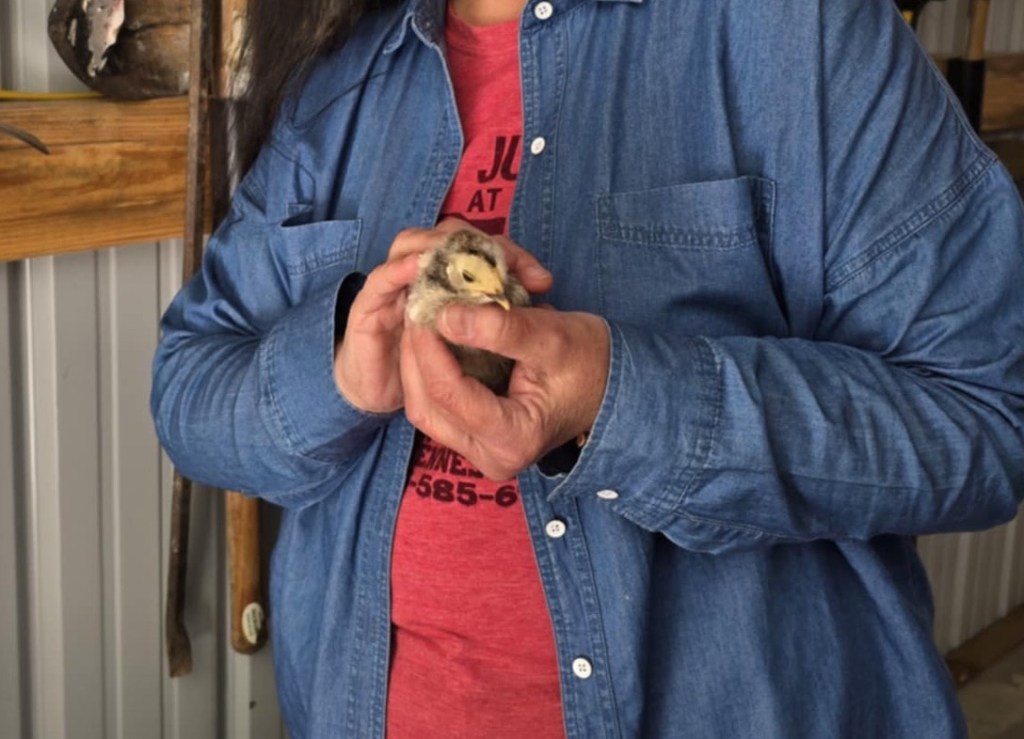
We faced the challenge of losing one of our mommy bunnies this season. It was sad as she was a favorite. But, on a happier note another mommy bunny gave birth to ten more baby bunnies with eight of them still thriving. We also lost two of our best laying hens, but gained twenty two doodles. The Lord has a way of easing the loss with the gain and miracle of new life. Just when I was ready to replace our precious barn cat, Harry, who we lost in September, with an adopted cat from the pound, a new feline showed up one evening. He was desperate need of a home. He is now a happy and healthy kitty on our homestead who loved doing his part by catching ground squirrels who quickly can become pests in the garden.

Meet peaches, our newest addition to the homestead.
Meet owl one of the many new doodles.

The challenges of homesteading are real, but so are the victories! On the upside, the rain has helped our herbs flourish. I’ve already been drying basil and eating herbs for a few weeks. I will harvest sage, oregano, basil, lavender, a couple variety of mints, and lemon balm this week when the heat decreases. Again the rain has increased the growth in our cucumbers, squash, and zucchini and has been good for our flowers as well.

Our roses bloomed more this year than any other.
Iris’s are still blooming!
The flocks are loving the sunshine!
The bees love our sage blooms!

With homesteading comes both challenges, rewards, failures, and success. But most of all comes the rewards of satisfaction in planting, harvesting, preserving, and eating our own food, loving the land that the Lord has provided, sharing our bounty with others, and caring for the animals that we’ve been blessed to care for are the best rewards. Homesteading rewards far outweigh the challenges, and it’s nice to remember that with challenges comes the rewards of learning and overcoming hardships.

Our garden is later than usual coming in… but we are overcoming the challenges the weather has presented this season.

I hope you’ve enjoyed this short post and enjoyed learning more about our life on the homestead. Feel free to subscribe, like, comment and share with others. For now, God bless and happy homesteading from the mountains of Kentucky.

Keeping a Garden Journal

Hello from the mountains of Kentucky! I don’t know how the weather is in your area, but it’s been really wet in Kentucky. With the amount of rain we’ve had this spring, we’ve been working more in raised beds than our vegetable garden. We did, however, get our potatoes in the ground the week of Good Friday. They’re up and beautiful! If the potatoes grow as well as the vines, we’ll have loads to dig this fall. Our onions are thriving as well, but otherwise, our garden is plowed and desolate of plants. We’re not the only local homestead or farm that hasn’t planted much, which makes me feel some better about the delay. I think this might be the rainiest spring season that I can remember. This is the year of the seventeen year cicada’s as well. Even with the rain, they’re still singing. With that being said, it has been a good time to work in our raised beds, herb beds, flower gardens, and update our garden journal.

Bee balm, hyssop, lemon thyme, garlic and onion chives, and sage.
One of my herb beds. The sage is in full bloom.

I started keeping a garden journal many years ago. I was prompted to do this when we had a crop of beans that was an epic failure. When we realized the beans were tough and not easy to cook, we tried to recall the kind of beans we had planted. After much thought, scouring bean containers, and wracking our minds, we finally recalled the kind of beans we had planted. We had accidentally planted white half runners and greasy beans side by side. This resulted in the beans crossing and creating a leathery hulled type of green beans. Needless to say, we learned a valuable lesson. Don’t plant two different beans near each other and to always record what we planted, the dates we planted, fertilized, weather occurrences, etc. The wondering, worrying, and the unknown nearly drove me nuts! I had always kept a journal for my herb garden and even my flower gardens. They had proven beneficial. I don’t know why I hadn’t thought to maintain a journal for our vegetable garden. So, I extended my journal with a section devoted to our vegetable garden, and most recently added a section for our berry bushes and fruit trees. Each have proven to be a resourceful tool.

Our extended vegetable garden journal has helped with crop rotation, planting times, seed purchases, plant identification, fertilization, and with learning what crops grow well together and those that do not. Keeping our journal has also been a blessing. I like to add notes and pictures as a future keepsake for our children and grandchildren. Our journals can be a diary of our lives as homesteaders for generations to come.

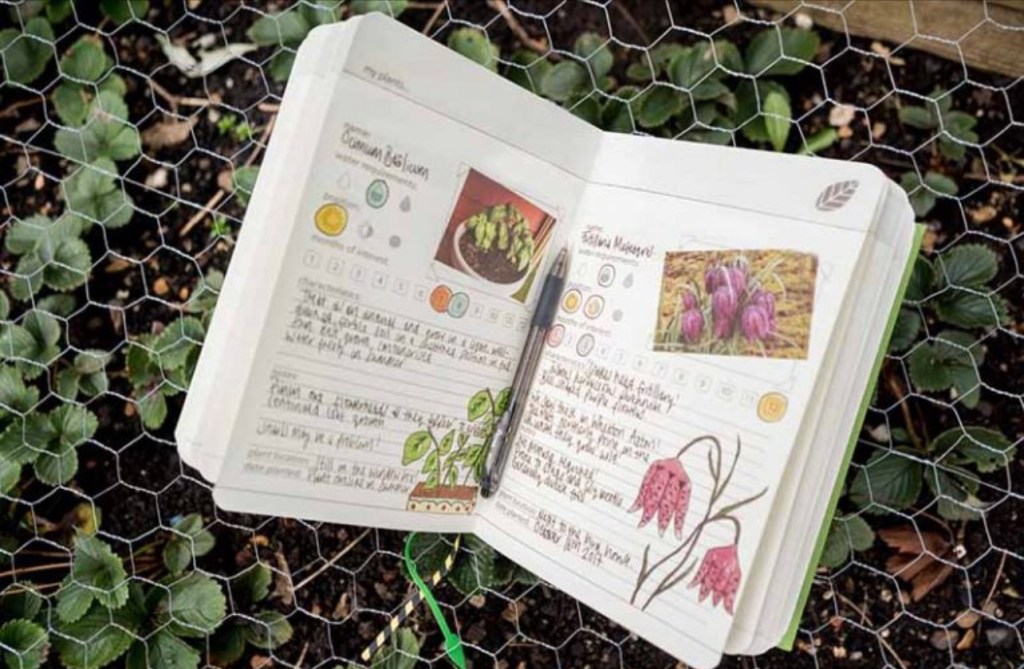
Garden journal

I encourage you to begin keeping a garden journal for all your gardens. Our journal has been a blessing and a fun way to record our family traditions and way of life between the covers of a simple journal that can be handed down for generations to come.

For now, God bless from the mountains of Kentucky! I welcome comments! Feel free to like, share, and follow. Also, feel free to check out our podcast, Homesteading in the Mountains, on Apple Podcasts. Coming soon… a post of the benefits of red clover!

Helpful Homesteading Skills

Hello, from our homestead in the mountains. Spring is so close I feel like we could almost reach out and touch it! I don’t know about you, but it’s been a pretty rough winter here. We’ve gone from snow, to spring like temperatures,to flooding, to ice and snow, back to massive flooding, and snow again. But the good news is spring is less than month away! That and planning for our vegetable and herb garden helps make the lingering days of winter tolerable. Not to mention, a lot of reading and crocheting.

I was recently interviewed about our homestead. Many questions were asked about wby, what does it take, what advice can I give, and many more. I was a little surprised at the misconceptions that many people have about homesteading. That interview helped inspire this post. I am excited to bring to you ten skills that we use on our homestead in everyday life. These are skills that have been handed down from generations past, learned from fellow-homesteaders, and some we learned ourselves through trial and error.

Gardening is a plus for homesteaders. Having your own garden can eliminate or decrease buying from farmer’s markets, farms, or grocery stores. Don’t get me wrong, we love to shop our local farmer’s market for produce that we don’t grow. We buy some things from the grocery, but not to the extent we would buy if we did not have a garden. Gardens can be overwhelming for some and some may not have room for a large garden. I know some people who raise a large amount of produce for their families. Follow our blog and head over to our podcast, Homesteading in the Mountains, on Apple Podcasts for a tips, ideas, and gardening posts.

Our garden last spring.

Saving seeds has been a part of homesteading in our family as long as I can remember. I recall my grandparents shelling bean seed and many other types of seeds to dry for the next season. That tradition has been handed down through the generations to me. Saving bean seeds, seed potatoes, tomato and cucumber seeds mean we do not have to buy seeds, we know how the plants were grown where the seeds originated from, saves money, and ensures we have seeds for the next season.

One of our seed boxes

Herbs are my favorite! I love working in our raised herb beds. We grow lots of basil, chives, oregano, thyme, lavender, bee balm, echinacea, Mullein, yarrow, peppermint, chocolate mint, strawberry mint, spearmint, lemon balm, and more. Do you have to grow this many different herbs? The answer is no. Grow what you will use and what you like. I use our herbs to make spices for culinary purposes and many of them for teas, while other herbs are used for balms, herb and oil-infused oils for a medicinal and cooking. We also use them for wide-variety of medical rubs, cleaning supplies, and repurpose them for compost and fertilizer. I love to gift herbs and teas as well. Follow our blog and podcast for more information. My Favorite Top Ten Herbs (Chocolate Mint part 3) This is one of many links to posts about our herbs. Herbs have the ability to make food taste better, makes great teas, and can be used for many medicinal purposes.

Harvesting Mint for Teas

An early mint bed from a couple years ago. Future tea!
Chocolate mint drying to be used as tea.

Baking bread is making a huge comeback. Take a few minutes and look at the ingredients in your favorite store bought bread. Then, look at the price. Finally, think about the preservatives that have been added to prevent mold. With that being said, there is no comparison to the taste of fresh baked bread. I enjoy baking a variety of styles of bread. I love artisan bread, my husband loves sandwich bread. I also enjoy baking sourdough bread, wheat bread, and high-fiber seeded bread. Recently, I branched out to making sourdough tortillas and sourdough crackers. We enjoy baking all types of cakes and cookies. Homemade has less ingredients, is healthier, and tastes better. Give Us This Day Our Daily Bread: Homemade Crusty Vegan Bread This is one of many posts about baking fresh bread.

Artisan seeded bread.
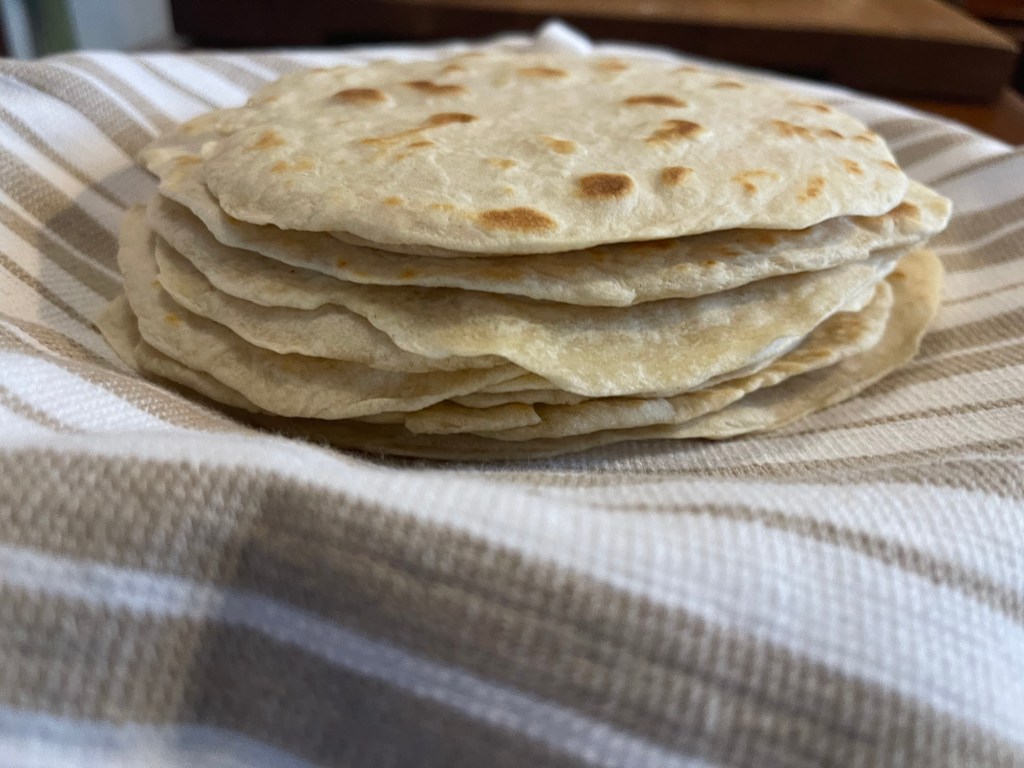
Fresh homemade tortillas.

Sourdough Tortillas

Sewing is something I grew up with. My mom was a seamstress, my grandmother sewed clothes and was known for her quilting skills. My sister inherited the love for quilting. I can, and have a made a few quilts, dresses, shirts, and pants. I use my sewing skills more in hemming, sewing a button on, or mending clothes that need repaired. Nevertheless, learning to sew can save a nice chunk of change for hemming and mending. It is also a skill that that produces very nice gifts, and can become a nice side income.

Just a few of my sister’s homemade quilts I have used and now display as a keepsake.

Canning, Dehydrating, & preserving canning vegetables helps to ensure we have food for the winter, saves money by decreasing store bought food. Having our own canned or preserved food ensures we are eating healthy garden food, even in the winter. And garden food allows us to share our bounty with others. Canning Green Beans the Time-Tested Way (updated) This is only a few of the wonderful things we can and preserve for our family.

Fresh zucchini and squash
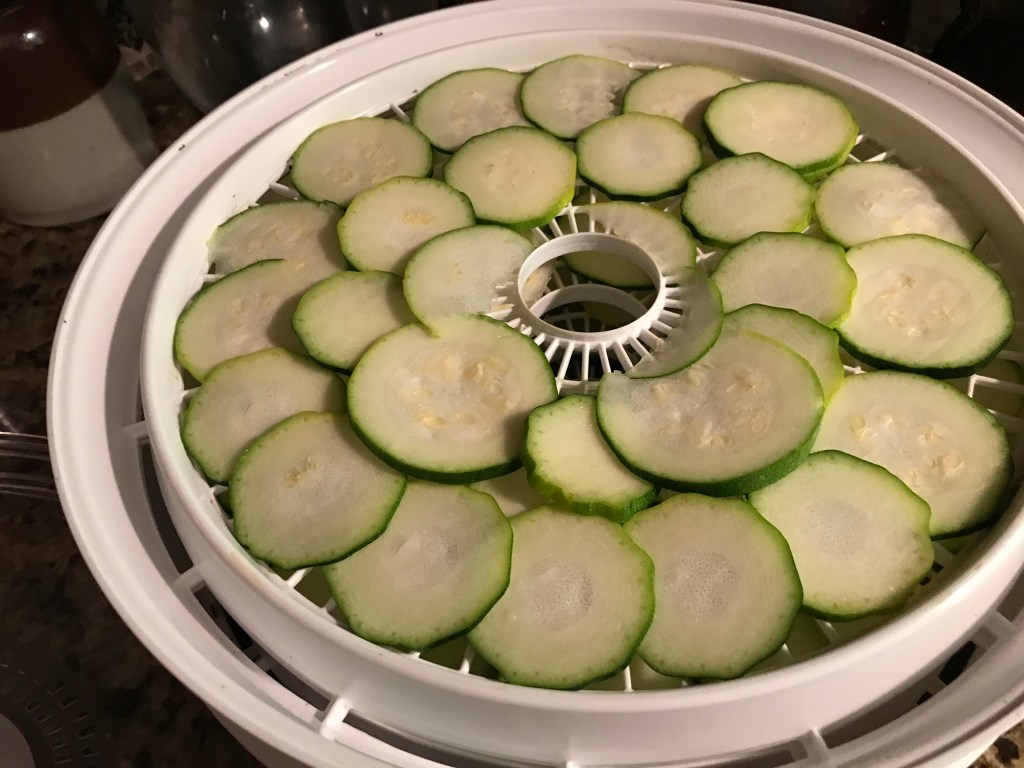
Dehydrating zucchini that can be rehydrated later.
Green beans from the garden canned and ready for winter.
Corn from the garden to the freezer and ready for winter.
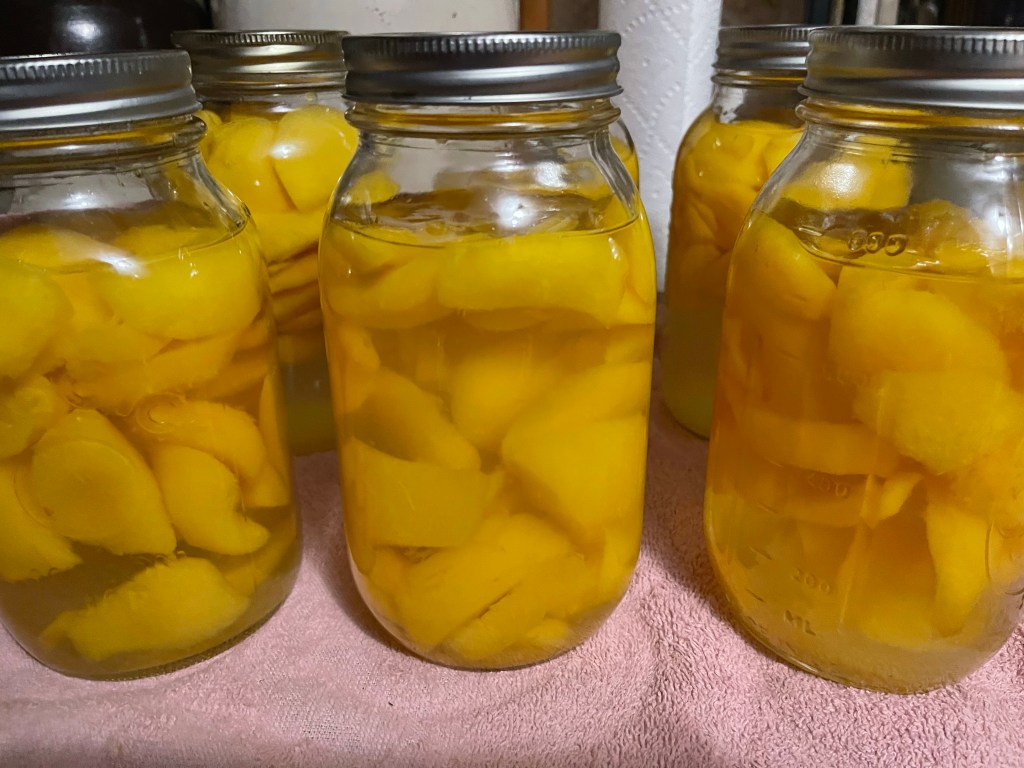
Fresh peaches canned and ready for cobblers or bread.

Canning My Favorite Peaches

Crocheting or knitting is not a necessity, but it is a great skill to have when making blankets to share as gifts, for family, and as a business. My favorite of the two is crocheting. I have made a nice little stash of cash by creating ponchos and afghans. It also provides a means of relaxation late evenings, and in during the dark days of winter.

Crocheted afghan in process

Chickens bring eggs to our family. With the prices of eggs lately, our girls are appreciated more than ever before. They also provide an extra income. We sell eggs at a much better price than the over priced eggs in the grocery store. Chickens also provide meat for the freezer, they help decrease insects in the yard, and the rooster’s early morning crow prevents one from oversleeping. Our chickens help us to friends and flail who cannot pay the high price of store bought eggs.

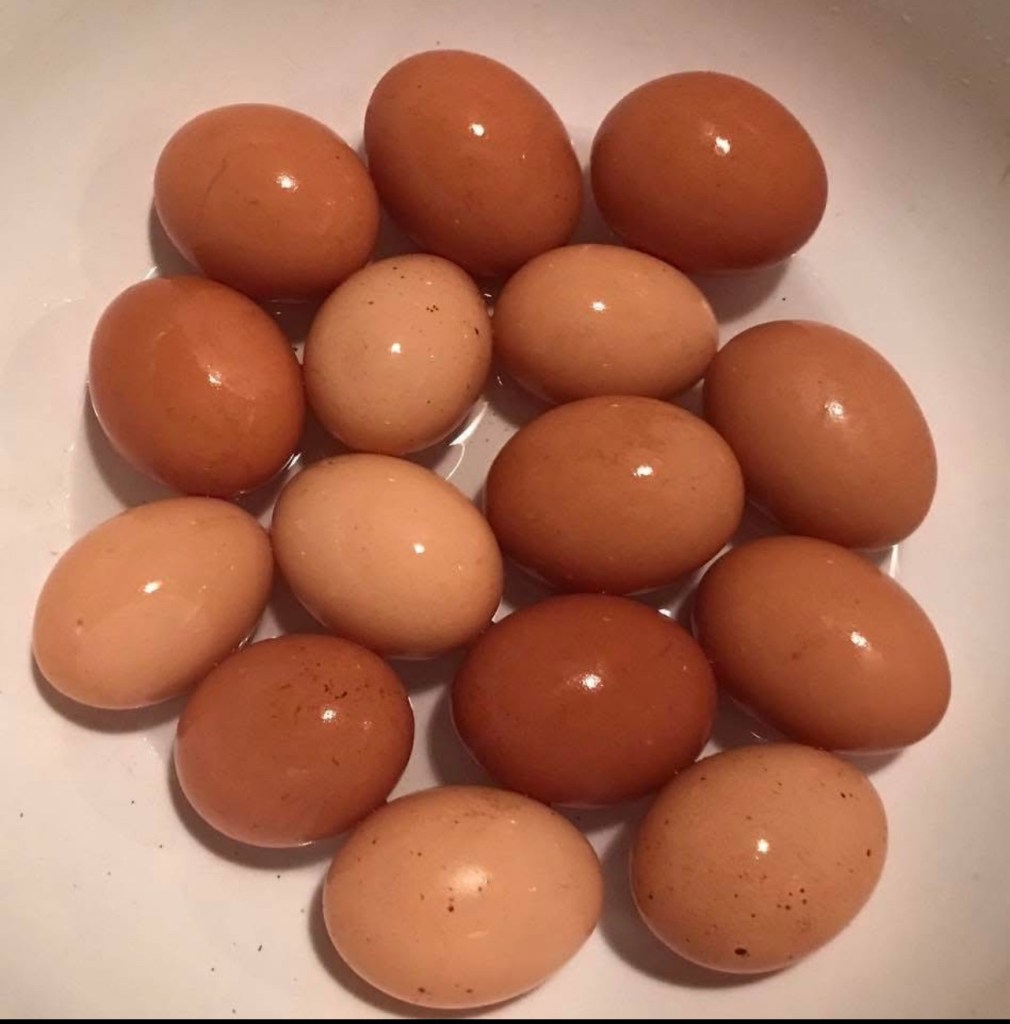
Fresh eggs!
A few of our layers.

Composting is a way of repurposing what most people throw away into fertilizer. Some people buy a gadget that allows them to compost their leftovers in the house. They’re nice and work if you do only have the space outdoors for a compost bin. We chose to build a compost bin from used concrete blocks that would have otherwise been sitting unused in a pile, or sent to a landfill. The compost bin is basically three outside walls with an open front and top. It is open in the front to allow the tractor or shovel access. The top is open to allow easy dumping and to allow the weather elements to reach the compost, helping it to decompose. Once the raw vegetables, fruits, egg shells, tea leaves, fruit and vegetable peelings, dried leaves, and other organic decomposable additives have decomposed, and it is totally dry, it is added back to the gardens as organic fertilize and around the fruit treats. Composting reduces waste, fertilizes, and ensures our plants are not being exposed to toxic fertilize.

Thank you for stopping by and spending a little time reading about our life on our homestead. Please feel free to leave comments, like, follow and or share. Happy homesteading from our homestead to your home. God bless!

Sourdough Tortillas

Hello, from the mountains of Kentucky! I hope your February is going well! It’s hard to believe that we spring is so close! Where does the time go? So, I recently started a new journey on the homestead. Our daughter was always the only sourdough baker on our homestead… until she gifted me a starter of sourdough. My initial reaction was that I did not have time to babysit this starter. I thought I would forget to feed it and it would die. I wasn’t sure that I wanted to learn a new process of bread baking. Well… I was wrong on all counts.

I discovered that I have a few minutes each day to discard from the starter and feed the remaining starter. It wasn’t a very difficult process to fall into routine with. What I didn’t realize was that each day I would have the gift of the sourdough discard to do something with. I didn’t realize that I could make pancakes, muffins, breads, cakes or gift it to others. I also learned that I could save my discard in the fridge, and I learned to make tortillas with it! This sourdough starter turned out to be the gift that keeps on giving. Let’s get started with making sourdough tortillas!

INGREDIENTS:

  • 1 cup of sourdough discard
  • 3 cups of unbleached all purpose flour
  • 1 1/2 tsp. Salt (I use organic pink fine Himalayan salt)
  • 1/4 cup extra light extra virgin olive oil
  • 3/4 cup warm filtered water (70 – 75 degrees)

Add the ingredients in a large glass bowl. Mix with either a large wooden fork or with your hands. I prefer to work the ingredients into dough by using my hands. I find working dough with my hands to be a satisfying experience. Once all the ingredients are in the bowl, work the dough into a ball. Knead and stretch the dough and fold it several times.

When the dough is no longer shaggy and feels soft to the touch, put the dough on a floured parchment paper, or floured surface. Work the dough by kneading it a few more times. Cut it into six pieces then divid each of the six to make twelve total balls of dough.

Next, heat a skillet over medium heat until it very hot. I used a ceramic coated cast iron skillet to fry the tortillas in. It worked fine. While the skillet was heating on medium heat, I rolled each of the six pieces of dough into small balls. I floured the parchment paper and then rolled one ball at a time until I reached the desired size and depth of each the tortilla.

Rolling the small balls of dough for tortilla.

I fried each tortilla for approximately one minute on each side. I adjusted the heat of the skillet after about six of the tortillas to prevent burning the bread. The tortillas fried equally as fast as the first tortillas as the skillet remained hot.

I used unbleached coffee filters to separate the warm tortillas. I had a box of the filters I had purchased that are too large for our coffee pot. So instead of wasting them, they acted as a great vessel to prevent the tortillas from sticking to each other. Once all twelve tortillas were fried, I allowed them to completely cool and then stored them in a gallon zip lock bag. The tortillas can also be stored in a large bowl with an air tight seal. The second time I made tortillas I did not use the coffee filters to separate. Instead, I stacked them and wrapped them with a clean cotton dish towel. Once they were all fried, I wrapped the stack of them in wax paper and put them an air tight container. Both ways worked well.

We have used the tortillas as wraps, to dip hummus with, and for fajitas. One thing to keep in mind is the taste of the tortillas do not take on a strong taste of sourdough unless you let the dough rest for several hours prior to rolling and frying. Allowing it to stay covered for several hours ensures the starter/dough ferments. If you make the tortillas as soon as you mix them, there will be a slight sourdough taste on the backside of each bite. If you rest the dough, the tortillas will have a strong sourdough taste. Either way, they’re delicious!

I hope you and your family enjoys this recipe as much as we do. The temperature is frigid in the mountains today’ it’s a low 25 degrees this morning. Knowing that it’s 29 days until spring makes me happy! I’m ready to get out and work in the gardens. Don’t forget to head over to our podcast, Homesteading in the Mountains, on Apple Podcasts. God bless from our homestead! Feel free to follow, like, or comment!

My Top Ten Favorite Herbs: (Part-Seven: Yarrow)

Hello from the mountains of Kentucky! I hope each of you had an amazing Christmas. We had a wonderful Christmas on the homestead with family and friends. God is good. Anyone that knows me knows that when Christmas is over… I start counting down the days till spring. I know, we shouldn’t wish our time away. I keep reminding myself of this. Take each day, savor it, as it is gift we never get back. However, I still get excited to see how many days till planting time! As of today, 78 days till calendar spring!

That being said, I am excited to bring another of my favorite herbs to you today. Last year, I completed the courses to finally earn my herbalism certification. During my studies, I learned about the common wild plant, yarrow.

Close up picture of yarrow leaves.

Achillea millefolium, more commonly known as yarrow is a perennial herb that is a member of the daisy family. It is found in growing in the wild and sometimes will in your yard as birds carry the seeds far and wide. It grows up to three and a half feet tall. The leaves are dark green, fern like, but yarrow is more feathery. See above picture. It has been used for centuries for nose bleeds, minor cuts, thus becoming known in son areas as the nose-bleed plant. The blooms are more commonly white with tiny yellow centers. Some yarrow blooms are yellow in color. We grow both and both are beautiful in flower beds and landscaping. Both are equal in quality.

Pictures above is our yellow tallow in full bloom.

Yarrow leaves are safe to mix in salads and are quite tasty. The leaves can also be dried for teas. Yarrow is considered to be a safe herb, however it is not advised to ingest large amounts of yarrow on a regular basis as yarrow contains thujone, which can be toxic if consumed on a regular basis in large quantities.

Cut yarrow drying. Preparing for yarrow salve.

Yarrow is versatile and very useful as a topical herb. It can be used in topical oils, salves, or even just by picking the leaves and crushing them or chewing them to apply to a wound to help slow and even stop bleeding. As always seek medical attention for wounds that might require stitches.

Drying yarrow is not difficult. I dry it during the summer and fall. You may dry the blooms and the leaves for external use. Stay with the leaves for internal. I dry it in small batches by cutting it in the early morning hours while the air is cool. Rinse the leaves and pat them dry. Place the leaves and or blooms on a white cloth or paper towel and spread them out to allow air to circulate. Place them out of direct sunlight and allow to dry until the leaves are crumbly. Once dried the herb can be stored in a glass container away from the light to be used as needed.

Dried yarrow can be added to jojoba oil or fractionated coconut oil for an external oil to help heal wounds. I add a couple of heaping tbs of the dried herb to a half pint jar of either organic extra virgin olive oil, fractionated coconut oil, or jojoba oil. I prefer to use amber colored glass if possible. I allow the dried herb to stay in the oil of choice for two to three weeks in a dark cabinet. I then strain the oil into either a small spray bottle or dropper bottle, which makes it easier to carry with me. This oil is great for helping to heal scrapes, minor cuts, sooth burns, as a rinse for mouth sores, and other small abrasions.

I also like to add the oil to equal parts of shay and cocoa butter to make a slave that absorbs through the skin and can carried in small containers for emergencies. I will post this recipe and details of how to make the salve in an upcoming post.

I hope you have enjoyed reading about how we use yarrow. Feel free to comment, like, or subscribe. God bless each of you. Happy New Year, from the mountains of Kentucky!

My Top Ten Herbs (Part Six; Rosemary Recipes included)

Hello from the mountains of Kentucky! I hope your Thanksgiving was amazing and your Christmas will be even better. It’s been busy in our little part of the world as we finish our Christmas shopping, and decorating for our family celebration as Christmas is only days away. With preparing for the festivities I decided to bake some rustic herb bread using two of my top ten herbs, rosemary and thyme. I love experimenting and trying new flavors, new breads, and new recipes. I am excited to share a few of my favorite recipes and uses for my sixth favorite herb in my top ten posts, Rosemary. But first a little information about Rosemary.

One of our smaller pots of rosemary .

Rosemary is an evergreen type of perennial herb that derives from the Mediterranean region. It is reasonably hardy in cooler temperatures as well. I usually pot some each year for quick access for recipes. I also grow several plants in our raised bed that winters over very well as we cover our bed during the winter months. It is easier to start the plant a plant than from a seedling. Rosemary is difficult to start from seed, but not impossible. This aromatic plant also withstands drought quite well. Keeping the rosemary pruned prevents the plant from becoming woody and stiff. Pruning will also help the plant to become more bushy and promote new growth.

Rosemary is a member of the sage family. It has a wonderful aroma that unique and pleasant. It flowers in the summer, but can flower more often in warmer climates. The flowers are small and light pinkish or white blooms. The height of this woodsy plant can vary in size, depending on the location and the amount of pruning. It’s fairly easy to grow, dry, and store. Its aromatic needles have many culinary and medicinal uses as well as uses for personal hygiene. Let’s get started with a few ways that we use rosemary on the homestead.

Rosemary can be used fresh or dried. I dry my rosemary by pruning the plant and washing the sprigs well to remove soil and possible insects that might be hiding. Gently pat to dry and place the herb on a white cloth in a shallow pan. If I have a larger amount, I add the herbs to my hanging rack, which hold much more. Place the herb away from direct sunlight and leave to dry until the sprigs are crisp. I store my dried rosemary on the stems in quart jars and strip the leaves as I need them.

One of my favorite recipes for dried rosemary is my crusty herb bread. A small amount of this delicious crusty bread packs a punch of flavor. I use the following basic bread recipe Give Us This Day Our Daily Bread: Homemade Crusty Vegan Bread and add a tablespoon and a half of finely chopped rosemary and a tablespoon of dried thyme finally chopped as you add the seeds. The dried herbs work great as they are already dried and do not add any moisture to the bread as fresh herbs have the potential to do. This delicious bread is great toasted with most any Italian meal, or toasted to use as a dipping vessel for red pepper hummus. The possibilities are endless.

Seeded herb bread

A second recipe that includes rosemary is our clean vegan summer squash soup. It is delicious year round, but tend to enjoy it most early fall or in the summer months when summer squash is at its peak. The following link will take you to this light , yet hardy soup. The herb bread above is a wonderful addition to this delicious soup. Clean Vegan Summer Squash Soup I also like to melt a slice of plant based provolone cheese on the herb bread for a little extra rich taste.

Summer squash soup

Rosemary makes a great flavoring for salt as well. This is an easy way to preserve the final sprigs of rosemary of the season and make a few stocking stuffers or gifts for those who love to cook with herbs. This delicious recipe can be prepared several ways, but my favorite is simply equal parts of fresh-cut rosemary and course kosher salt. Strip the leaves from the rosemary and add salt, pulse the mix in the food processor 8-10 times or you may use a spice grinder. You may also substitute the kosher salt with course sea salt. Pink Himalayan salt can also be used, but the shelf life doesn’t seem quite as long.

Once you add the fresh rosemary with the salt and grind set it aside on a parchment lined pan for about six hours to air dry. Add to a jar with a lid. Keeps indefinitely. Another method is to use dried rosemary pulsed in the spice grinder until desired consistency is achieved and add the mix to the preferred salt. This eliminates the drying process with fresh rosemary. Using this method allows you to use the salt immediately as the rosemary is already dried. Rosemary salt is a great addition to tofu scrambles, soups, and potatoes. For those that don’t follow a plant-based diet rosemary salt is great on eggs, pork, chicken, or lamb. The possibilities are endless. The ratio of salt to rosemary can be modified to taste.

I like to hand chop the rosemary. I’m a bit old-school.
For this recipe I used 1/4 chopped rosemary.
Shake the rosemary salt before each use to ensure it is distributed evenly.

Finally, rosemary has been thought to be a nourishing herb for strengthening and thickening hair. Rosemary can also be used in a variety of ways cosmetically. However, hair care is one of our favorites. Sprigs of dried rosemary can be added to a spray bottle of filtered water for rosemary water that can be sprayed daily on hair dry or damp hair to promote thickening and shine. Using dried herbs helps prevent mold from gathering in the bottle. I also prefer to use amber glass spray bottles. The dark color helps preserve the water and protect it from sunlight while also helping to eliminate plastic. Once you add the sprigs of dried rosemary to the water, allow it to sit for at least a week to intensify the aroma and the water to absorb the nutrients from the herb. Use as a refreshing spray to your hair, scalp, or skin.

Rosemary oil can be made from dried rosemary as well. Using throughly dried rosemary, add the sprigs to a glass bottle of oil. I prefer organic fractionated coconut oil for topical use. Seal the bottle and place in a dark cabinet for at least two weeks. After two weeks, strain the oil using cheesecloth adding the oils to either an amber colored glass spray bottle or dropper bottle. The rosemary oil can be used directly on then scalp to nourish the scalp and help promote hair growth. Once the oil is applied, massage scalp evenly for five-minutes then wrap hair with a towel or shower cap. Leave the oil on the hair for at least thirty minutes. Wash and rinse hair as usual. You may also spray hair lightly throughout to help mange dry or damaged hair. Finally, you can add a few drops of the rosemary oil to your favorite shampoo and or conditioner.

These are only a few of the great ways to use this powerhouse of an herb. Because of its diversity, I think a book could be written about rosemary. Other uses of rosemary include adding it to homemade body butter, laundry detergent, sachets, teas, and more. I hope to add more rosemary recipes in upcoming days. For now, God bless and Merry Christmas from the mountains of Kentucky. Feel free to like, share, subscribe and or follow our blog. Your support is appreciated. God bless!

Merry Christmas from our home to yours.

The Gift of Time

Hello, from the mountains of Kentucky. The leaves have fallen, the mountains are bare, now void of their glorious fall attire. I tend to get a bit emotional this time of year as the vibrant colors of summer and fall disappear. This year more so than ever before. I have fallen into the yearly routine of Christmas shopping for our family, preparing to end another semester, while preparing for a new one. Life has been hectic, which helps me deal with the many emotions that flood my mind and fill my heart. I have found that a little quiet time with Jesus, a good cup of chamomile tea, and a spiritual read helps calm my racing mind and allows peace and precious memories to ease the pain.

Even still a busy week faces us on the homestead. It will be busy both inside and outside our home. As I prepare for our Thanksgiving dinner with family, I find myself reflecting on the empty spot in my life. I find myself missing my mom more each day. I look around my home and I see small reminders of her everywhere. From her delicate teacup that I cherish, to her favorite lamps that now adorn my nightstand and fireplace. From her favorite blanket, to her beloved Afghan. From the plant sent from friends in her remembrance, to her favored china cabinet that holds her favorite dishes, now in my living room. From her Bible on my shelf, to the handwritten notes she journaled daily. From the pictures she left behind, to her smile in the memories I will forever cherish in my heart. However hard it is to deal with loss, just as the peace lilly thrives and blooms, so must we.

My peace lilly a friend bought me after mom passed.

As the cold weather approaches, we are also busying ourself outside with cutting the last of the lavender, to be used in homemade body butter, as sachets, for tea, and for lavender cookies. Vegan Lavender Butter: A Sweet Herbal Treat From the Mountains… Extra sprigs of rosemary are cut for rosemary oil, cooking, and for shampoos. We are zipping up the covers on the raised herb beds to ensure the lavender, rosemary, and other perennial herbs last as long as possible this winter, while also ensuring their return next year. We had hoped to leave the ferns on the porch through Thanksgiving, but bitter cold temperatures are on the horizon, so they will make their usual journey to the basement for their winter stay. The ferns do well in the basement through the winter. I water them a little about once a month and bring them out in the spring. I usually give them a quick trim, and before long they are thriving and full of life.

Three year old fern thriving has been weathered over each winter thriving in the summer heat.

With my mind occupied with memories with our mom, I find it difficult to grasp just how quickly time passes. I feel as though we were planting a garden a short time ago. It seems as only a couple months ago we were taking down Christmas decorations, and now here we are preparing to put the Christmas tree up. Where does the time go? In the Bible, life is compared to a vapor on water. It’s true. Life has a way of vanishing right before our eyes. As I pondered the gift of time, the Lord impressed upon my heart that time was a mystery to His children. I was reminded that His time is not our time and our time is not His time. I know He has a plan for our future and His plan is perfect and we must trust His time, not our own. Sometimes we find ourselves trying to perfect His plan due to lack of understanding. My prayer is to acknowledge His plans, trust His Will, press forward, embrace each day, love deeply, reflect on the wonderful memories of my mom that I cherish in my heart, and live each day embracing life as my mom would want me to, for I know He has a plan. We must keep pressing forward.

As I am preparing the dough for our weekly bread, I find myself reflecting on days gone by when I helped my mom bake cookies for Christmas. I think I was five years old when we baked cookies for everyone, or so it seemed to a wide eyed five year old with visions of Christmas morning growing closer. Mommy always had a way of making the holidays special every year. As the years passed and our mother aged, she wasn’t able to cook and host big dinners any longer. Then a new tradition was birthed. She would take turns going from one siblings house to the other on Thanksgiving. It was a full day for her, but one that allowed her spend time with each of her children and their family. The day came when she was no longer able to drive and visit as much as she wanted to or had before. It was time, yet again, for a new tradition that lasted for more almost ten years. We would take Thanksgiving to her. She never went without, my sister, brother, and myself always brought her a smorgasbord of food from each of our dinners. We would visit and usually have a cup of coffee and reminisce with her while she ate her fill of her favorites. She always had had enough leftovers to last over the course of the next week. I laugh as I recall how she would run out of desserts first. She definitely had a sweet tooth.

Yes, Thanksgiving will be different this year. I will miss her as I prepare the dishes, adding extra love to ensure the sweet potato casserole is prepared just the way she liked it. As I scour my recipe books for a new and tasty dessert that she would have enjoyed. I will miss going to visit her. It will not be same not enjoying a cup of coffee while she enjoyed the dressing and the dark meat from the turkey. Dessert will not taste the same knowing she will not share it with me. But, just as the working of the dough brings life to the yeast, so must we keep working and looking up to Him. Give Us This Day Our Daily Bread: Homemade Crusty Vegan Bread He is our high tower, or refuge, and our all.

The beginning stage of the dough.
Stage two rising.
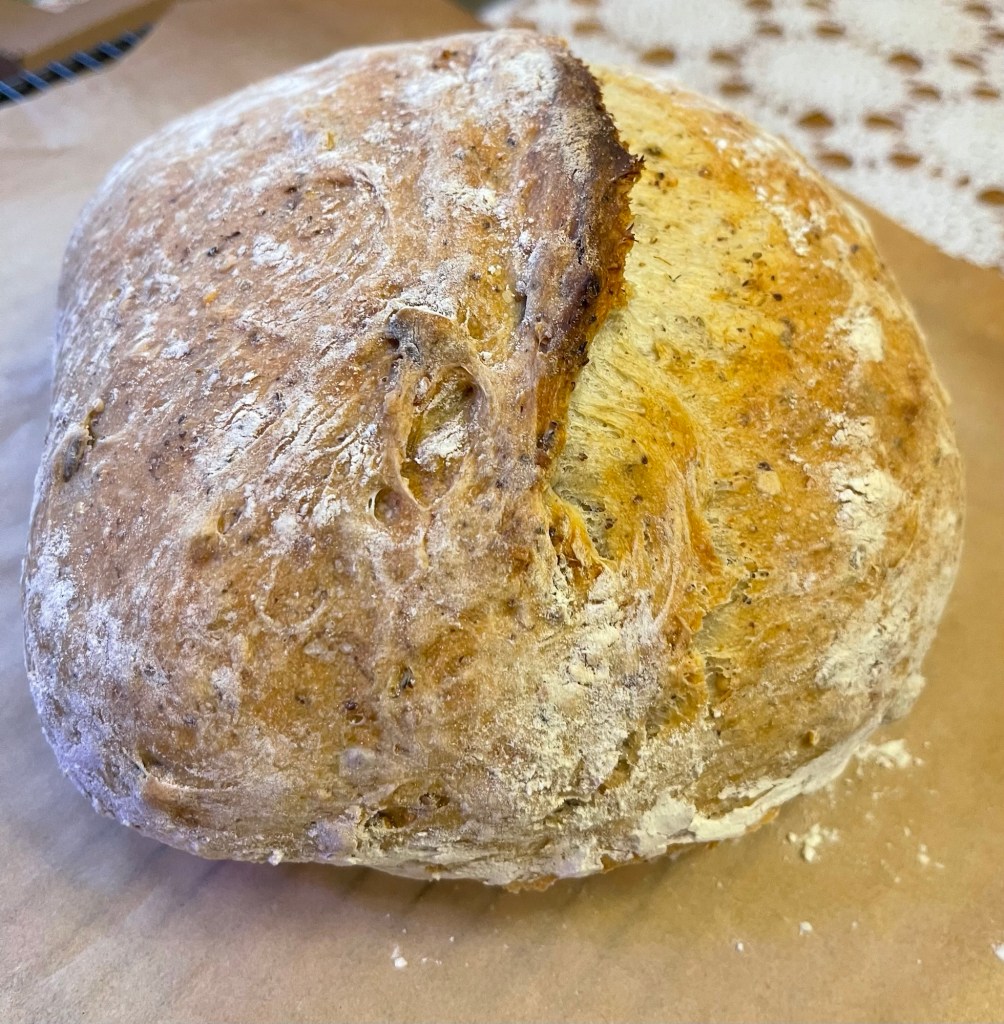
The finished product; seeded crusty artisan bread.

Even though the loss and void in my heart are vast, I am thankful that our mom is no longer sick. I have the confidence knowing that she made it home to be with Jesus, and that we will see her again where we will live for eternity in Heaven where sickness does not exist. Even still, my heart aches for her each day. For now, I’ll cherish the memories of days gone by and keep working for the days to come. They say that time takes care of the pain. I haven’t found that to be true yet. But, I do know that my time is not God’s time and His timing is perfect, just as His plan for us is perfect.

In memory of our mom. Artist credit goes to my niece, Sabrina Smith.

God bless from the Mountains of Kentucky. This post is dedicated to the memory of our precious mother. We love and miss you, mommy. I pray that each of you have a wonderful and memorable Thanksgiving.

Canning Carrots

Hello, from the mountains of Kentucky! It’s a beautiful time of the year in the mountains. The trees are alive with beauty! I try to savor the gorgeous leaves as long as they cling to the trees before the freezing temperatures bring them down. Every season in the mountains brings unexplainable beauty, but I think spring and fall are my favorite seasons. Enough about the beautiful bounty and onto the topic at hand, canning carrots.

The beauty of the mountains! It never gets old.

Carrots are versatile and can be prepared in many ways. We love them raw, glazed, in stews, breads, soups, and as carrot soup. We grow enough carrots to enjoy, but not always enough to preserve. With the prices of groceries soaring, that will change in upcoming seasons. We were recently gifted with an abundance of carrots that would be nigh to impossible to eat raw, so we decided to can them! It was too easy not to do! we had several large bags of carrots. I’m not sure on the weight or amount.

Ingredients:

  • Carrots (we had several large bags)
  • Kosher salt or sea salt (do not use table salt as it may cause cloudy water to form in the jars.
  • Filtered water.
  • White vinegar

Preparation:

  • Remove leaves and tips from the carrots.
  • Scrape and rinse carrots.
  • Slice carrots however you desire. We sliced ours for soups and stews.
  • Add the carrot slices to a large bowl of filtered water.
  • Cover and refrigerate over night.
  • Remove the next morning and rinse the carrots.
  • Add carrots to filtered water in a large stock pot. Bring to a slow boil. Boil for five minutes.
  • While carrots are boiling wash and sterilize jars, rings and flats. We used pints.
  • Add water to canner and allow it to begin warming. We used a water bath canner. You can use the method of pressure canning.

Process:

  • Using a funnel in the top of the jar, add hot carrots and hot water from the stock pot to jars. Add 1/2 tsp of salt.
  • Wipe the rims of jars and rings with a white towel soaked in vinegar.
  • Add seal and ring.
  • Place hot jars in the warm water in the canner.
  • For water bath canning, allow jars to come to a slow boil and process for two hours. Allow jars to sit in the water when the stove is turned off for at least thirty minutes. Pressure canning time would be much less than water bath. Someone told me for pressure canning carrots they allowed theirs to process for thirty minutes.
  • Remove the jars with a jar lifter and set the carrots aside on a towel to protect the surface of the cabinet or table.
  • Once cooling process begins you should hear the coveted ping of the jars sealing.
  • Add dates to the lids or labels. Allow to cool and store with your other canned goods.
Canned carrots

The rabbits enjoyed the tips and pieces of carrots that we removed. The chickens enjoying the remains that were scraped away from the carrots. Everyone enjoyed some raw carrots and we will enjoy the canned carrots in many ways. I hope your family enjoys your canned carrots as much as we enjoy ours. Remember, when you find a sale on carrots, stock up and can them for the future! Thank you for stopping by! Remember to like, comment, and or subscribe! I am headed back to the kitchen to work up and preserve three large bags of kale! Recipe coming soon. Before you go, check out the following canning recipes that are time-tested! Canning Green Beans the Time-Tested Way (updated). We have canned beans like this for more than thirty years. Canning Savory Indian Relish this is a family favorite!! More recipes coming soon. Feel free to like, comment, subscribe or follow. God bless from our homestead in mountains of Kentucky!