
Gluten Free Plant-Based Carrot Cake

Hello, from the mountains of Kentucky. Snow still covers the ground on the homestead. While it has melted in a lot of places, it lingers here. Our farm lies down between two mountains resulting in us being behind the north side of the mountain. Our farm is located in what Appalachian people call a holler! We don’t mind it… I can’t imagine living anywhere else. Our homestead is the property in the end of the holler. No one above us, in front of us, or behind us. We love the privacy and lack of a of seeing traffic passing by. We have one neighbor who can see the lower end of our land, which helps with insurance and to keep an eye on our property if we’re gone. All that being said, I am excited to bring a new recipe that is gluten free, dairy free, and vegan it can easily be changed to non-vegan as well.

I was challenged with creating a dessert for our daughter’s birthday, that our youngest grandson could eat. He has recently become gluten and dairy intolerant. He tested negative for celiac disease and allergy tests are scheduled to help diagnose the problem. Until an official medical diagnosis is made, we’ve strived to remove both dairy and gluten from his diet, as this is what seemed to give him the most trouble. Our efforts seem to be working. We also discovered while on this gluten free journey that many spices contain gluten. I have used organic spices for years and was happy to learn that the majority of organic spices are gluten free. However, we must always read the labels to be for sure. With all that being said, I am excited as we move forward to post gluten free recipes that are also dairy free and vegan in upcoming posts. Here we go with a first, which was a huge success! Carrot Cake!!!

Cake Ingredients:

  • Egg substitute equaling 4 eggs ( I like just egg)
  • 1 1/2 cups of organic cane sugar
  • 2/3 cup of organic light brown sugar
  • 2 tsp of pure vanilla extract
  • 1 cup of melted organic unrefined coconut oil
  • 1/2 cup of sweetened almond milk with a tsp of organic white vinegar (you may sub for buttermilk if not following a plant based diet)
  • 1/2 cup drained crushed pineapple in pure juice no sugar added
  • 2 tbs of pineapple juice from pineapples
  • 2 1/4 cup of gluten free King Arthur’s organic flour (may sub for all purpose flour)
  • 1 1/2 tsp good quality non caking baking powder
  • 1 tsp non caking baking soda
  • 1 tsp organic cinnamon
  • 1/4 tsp organic ginger
  • 1/4 tsp of organic nutmeg
  • 1/2 tsp non caking salt (I like pink Himalayan)
  • 2 1/2 cups finely grated organic carrots
  • 1/2 cup organic pecans finely chopped (optional)
  • 1/2 cup choice organic raisins (optional) I like dark raisins but you may use golden

Frosting Ingredients:

  • 3 cups sifted organic confection sugar
  • 1 stick (equals 1/2 cup) of Country Crock plant butter
  • 8 ounces of organic plant based cream cheese (I like the Simple Truth brand)

Ingredients can be substituted for non-vegan cake.

Process:

Preheat oven to 350, spray and line a 13×9 glass baking pan with unbleached parchment paper. Mix vinegar into milk and set aside. Mix sugar, eggs or egg substitute, oil, vanilla, pineapples, milk, and juice. In a separate bowl mix dry ingredients and then fold the dry ingredients into the wet ingredients. Fold in the carrots, pecans, and raisins. Gently stir and when well mixed pour into the prepped cake pan.

Gently tap the pan of batter on the counter top to decrease air bubbles. Bake on the middle rack. Bake for forty minutes. Due to difference in oven temperatures test at 30 minutes with a skewer for doneness. If the skewer comes out clean, the cake is done. If the cake is not ready, return to oven and check again at 35, etc. Bake until the skewer comes out clean when resting for doneness. I baked in a Pyrex glass baking pan, which is thicker. My cake was done at 42 minutes.

Unfrosted cake

When the cake is baked, set it on a cooling rack. Wait until cake is completely cool before frosting. While the cake is cooling, make the frosting.

Process:

Mix room temperature plant-based butter, room temperature plant-based cream cheese, and three sifted cups of confection sugar on slow in a stand mixer. Once the sugar is incorporated, speed the mixer up to create a fluffier frosting.
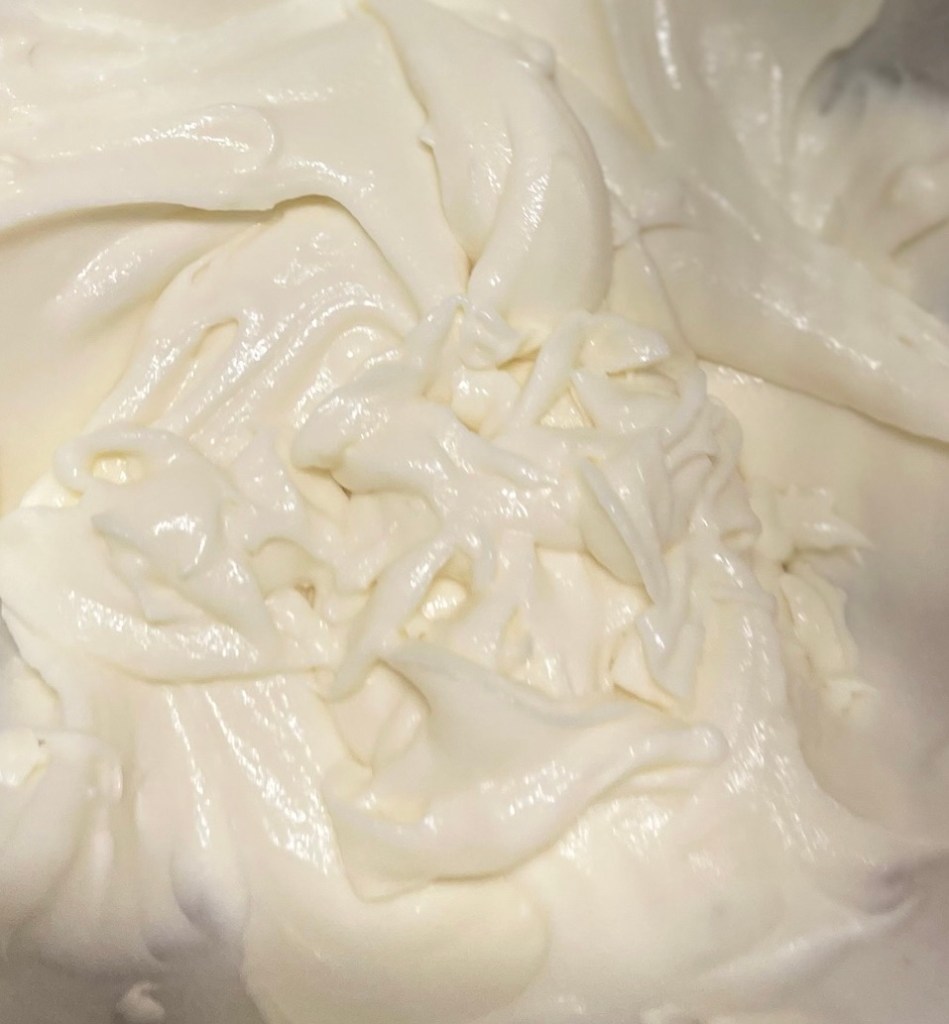
Frosting is ready for the cake!

When the cake is completely cooled, using a rubber spatula, frost the cake. (Optional) Sprinkle chopped pecans over the top.

Top of frosted cake. I didn’t add pecans to the top.

I was amazed how creamy the frosting turned out. It is smooth, creamy, and tart enough to be delicious. The frosting didn’t have a phony taste like store bought frosting often has. I couldn’t wait to taste the cake after it was frosted. I actually didn’t wait until our daughter’s birthday dinner. I tasted the corner of the cake and was super happy with the results! I explained to her why a tiny little piece was missing from one of the corners. She understood and said she would’ve done the same.

Plant-based gluten free carrot cake.

The cake was a success! Everyone enjoyed it and loved the addition of the raisins. I had additional chopped pecans for those that wanted to add nuts to the top of their cake. The moisture level was off the charts! Had I not told everyone the cake was non dairy, plant-based, organic, and gluten free, they would have never known. Eating healthy doesn’t mean that you have to scrimp on taste.

I hope you and your family enjoy this cake as much as our family has. It is a great sweet treat for evening coffee, after dinner dessert, or even a breakfast treat. For now, God bless from the mountains of Kentucky. Feel free to like, share, subscribe or comment. If you’re enjoying our recipes and adventures in homesteading, go check out our podcast, Homesteading in the Mountains on Apple Podcasts. Have a wonderful week and weekend!
Vegan Italian Spinach Wraps

Good morning from the mountains of Kentucky! I hope your day is a blessed one. I am excited to bring to you my new spinach wrap recipe that I’ve been working with for a couple of weeks. Saturday’s wraps were the success that I’ve been working toward! I hope you enjoy them as much as we do!

Ingredients:

  • 3 cups fresh organic baby spinach
  • 3 cups all-purpose flour (I prefer King Arthur unbleached or wheat)
  • 1 1/2 teaspoon pink Himalayan salt
  • 3-4 tablespoons organic extra virgin olive oil
  • 1/3 cup cold filtered water (this can be modified if needed)
  • 1 teaspoon fresh ground oregano
  • 1 teaspoon fresh ground basil
  • 1 teaspoon fresh ground parsley
  • 1/2 teaspoon fresh ground black pepper
  • 1/2 teaspoon organic ground garlic

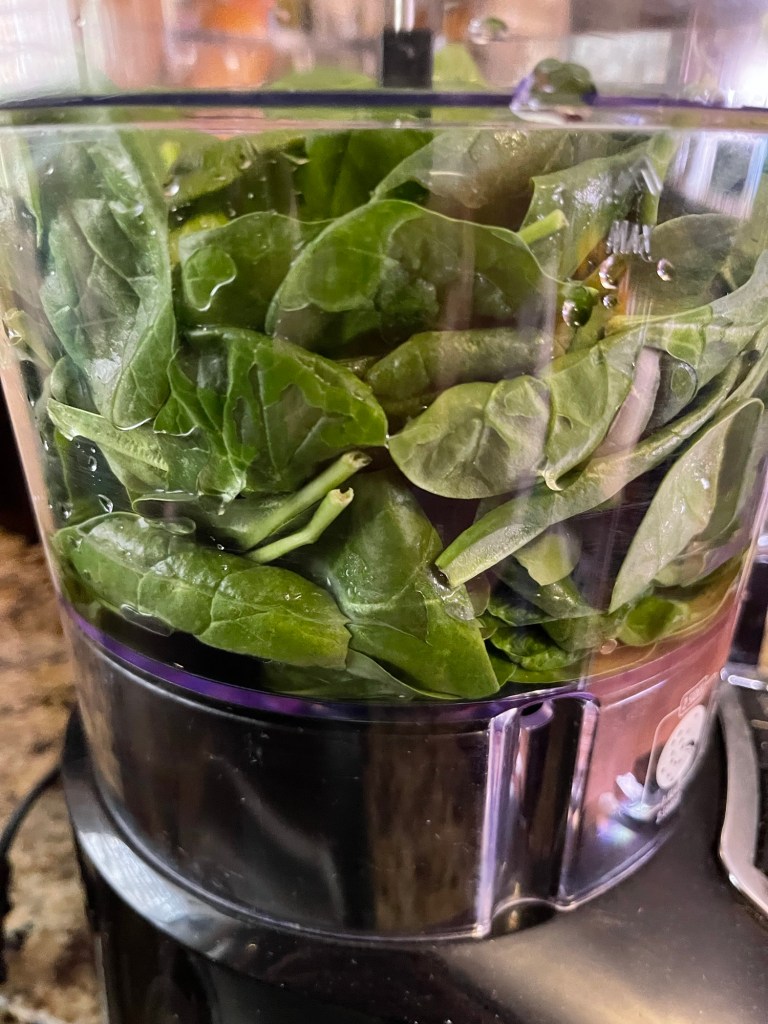
Add one cup of spinach and one cup of flour to a food processor dicing it to allow room for an additional cup of each. Dice again and add the remaining spinach and flour. Add spices, and process adding oil slowly as the mixture mixes. Add water until you have a dough consistency. Sometimes the amount of water varies. Only add what you need. If the mixture is too wet, add an additional spoon of flour and mix. You can’t go wrong on this mixture if you achieve a doughy consistency. You can play with the oil as well. If you need more, add a tiny bit.

Fresh spinach is the best!!

Preheat a cast iron skillet. I use ceramic cast iron for this and it works great. Add a tiny spray of organic extra virgin olive oil to the pan to heat. While the pan is heating spoon out a large spoon of the mixture onto a floured dough sheet or parchment paper. Using flour on your hands roll the dough into a ball and then begin rolling the dough flat.

Ball of spinach dough.
Second rolling of the wrap.

A second rolling of the wrap ensures the desired thickness of the wrap. You can sprinkle flour over the wrap to prevent it from sticking. Once you have achieved the desired thickness, lay your bread in the hot pan. It only takes about 1 1/2 minutes per side. While my bread is browning, I usually roll another piece of dough. Parchment paper, coffee filters, cheese cloth, or white paper towels between the wraps will help prevent them from sticking until they’re cooled.

Preparing the wrap!
This is the thickness that I like!

Remove the bread and place on your choice of liner. Once the wraps are completely cooled, I place mine in an airtight container and keep them in the fridge for fresheners. This recipe usually yields eight to nine wraps. They taste great warmed with fresh veggies, a smear of peanut butter, as a side for Italian dishes, and extremely good with no dairy cheese melted on them.

You may substitute seasonings for Mexican seasonings, plain with a little salt and pepper, or with curry seasonings. The possibilities are endless. I hope you enjoy these as much as we do. I look forward to posting new wraps. I am currently working on a high fiber flax wrap. I would love to hear how you eat yours! Feel free to like, share, comment and follow. For now, God bless from the mountains of Kentucky!

Depression Potato Cakes

If you’ve shopped for groceries lately, you have felt the pain of the price of groceries when you checked out at the register. It’s ridiculous how the price of food has increased. So, what are we expected to do? Clip coupons? Use savings apps? Grow as much of our food as possible? Yes, to all the questions above and also learn to be frugal with what we have.

I grew up in the sixties and seventies in a single parent home with two siblings. We didn’t know it at the time, but our mom, who was also a working mom, was very frugal and could make delicious dishes from leftovers. Left over vegetables became delicious vegetable soup. Popcorn was transformed into delicious caramel corn. The list could go on and on. But, one of my favorite transformations was left over potatoes, which became scrumptious potato cakes! I am excited to share my version of my mother’s delectable potato cakes.

After our children married and left home, we have more leftovers than ever before. Leftover mashed potatoes and the dread of emptying them to the dogs, or just going to waste inspired me to make potato cakes! My mom always made what she called depression potato cakes. I remember watching her in the kitchen mix the delicious mix and then frying it to perfection! After pondering on the delectable cakes, I determined that I could make a heather version. As the mix started coming together, I was sure this transformation dish would quickly become a renewed favorite. And so, the experience had begun with cherished memories, a desire, and a little creativity. Finally, the cakes were complete. I was too eager to wait for dinner to try the golden potato cakes. Yummo! They were delicious! I am so excited to share this delicious recipe with you. I hope you enjoy these delicious plant-based or vegetarian potato cakes as much as my family.

Ingredients:

  • Leftover cold mashed potatoes ( I used two cups)
  • Two tbs diced sweet onion
  • 1/2 cup self rising flour of choice
  • 1 cup yellow corn meal
  • Either one egg white or a flax egg (flax egg is I tbs finely ground flax seed and 2 1/2 tbs water mixed)
  • Salt and pepper to taste

Process; mix all ingredients together. The mix will be stiff. The stiffer the better. Add a little meal and flour if your mix is not thick enough. Once mixed, set aside and add a little extra virgin olive oil to the frying pan. Allow the oil to heat, and then either form a patty or drop a large spoonful into the pan. Allow to fry on one side while adding extra pepper or salt. I like to add a sprinkle of turmeric because I love the flavor and it’s good for you! It also gives the potato cakes a nice color. Flip, season, and fry the other side until golden brown on both sides of the potato cake

This is a delicious side dish for pinto beans and green beans and also makes a great side for breakfast. My family loves them with ketchup as a side. You can add diced bell pepper to the mix for a bit of Mexican potato cake. I also like to add a little plant-based cheese for a cheesy potato cake. The possibilities are endless, and it allows you to use leftovers to make delicious food that saves money all the while.

I hope our renewed favorite will become a new favorite of yours! God bless from the mountains of Kentucky! As always feel free to leave feedback, ideas, and or comments. Have a blessed week!

Making Organic Vegetable Broth. Mountain Life…Is the Best Life.

Early June morning in the mountains.

I, like most everyone, have spent a lot of time at home since early March. I’m not going to complain about being at home. I love and believe the old cliche, there’s no place like home, especially during the spring, which is planting time for our family.

Our grandson learning to till while planting beans!

During this time of uncertainty I find myself reflecting a lot about days of my youth and also being even more thankful for my heritage. We grew up learning how to plant, harvest, and preserve. We were taught how to be frugal, make a dollar stretch, and also how to enjoy and reap the bounty that our beautiful mountains gift us with.

Our mid-May garden.

Growing up in a low socioeconomic area can be hard, but it can also be a blessing in disguise. Many years ago when the economy was unstable, I watched my family work a farm, harvest crops, reap the delicious bounty, preserve the goodness, and also sell their produce and goods.

Even during my adult years when the economy was thriving, I found it difficult to depart from our way of country living. My family has enjoyed continuing the tradition that was handed down to us from our parents and grandparents. We continue to work the land, plant a large garden, labor lovingly over the many rows of vegetables, enjoy the tasty bounty that our garden produces, and also preserve and put away for the winter and seasons to come. It was a good life the and is still a good way of living. It was and is a lot of sweat and hard work, but well worth it.

Hard work truly pays off! There’s nothing quite as tasty as fresh-picked green beans, freshly dug potatoes, and a crisp ear of golden yellow corn from the garden that you’ve worked, nurtured, and watched grow from a seed to a bounty of deliciousness. As for me and my tastebuds, a meal is not complete without a side of sliced ripe tomatoes, cucumbers, and green onions from our garden to make the dinner complete. Who needs meat? Not me! I love vegetables and fruits of all kind. But, for the meat-eaters in our family, we are blessed to keep a freezer of locally grass-fed beef readily available.

As a little girl, I remember watching my mom create savory dishes from leftovers, re-purpose leftover veggies into tasty soups, create awesome potato cakes from left over mashed potatoes, and also turn stale popcorn into delicious sweet caramel corn. During our quarantine time at home, I too, have learned a few new tricks that has made my life easier, our pantry fuller, and also our stomachs happier. I am excited to share a few ideas that I have tried and also to share a new recipe that I created for an unctuous and delicious apple tea bread. Get ready, that recipe’s coming tomorrow! For today, let’s talk about making homemade vegetable broth!

One of my favorite quarantine discoveries was learning how to make homemade vegetable broth! Let me add, delicious homemade vegetable broth. Have you ever heard the expression, waste not…want not? I grew up with that being repeated often, and have encouraged our children, and grandchildren to do the same.

Are you faced with the dilemma of what to do with leftover vegetables, vegetable peels, and scraps of veggies that’s not big enough to use? So, what do you do with all those vegetables and veggie scraps? We either feed ours to the chickens to ensure they are getting enough protein, or we add them to the compost pile. Either of the above is a great method of useful disposal, but I found myself in need of organic vegetable broth and wasn’t able to find it when many of the store shelves were emptying. So, I figured out a way to turn my veggies scraps into vegetable broth. I’m anxious for you to give this simple recipe a try!

Shopping during a pandemic can be a challenge.
Veggies being prepared for the vegetable broth.

Process: First, you will need to begin saving vegetable scraps such as celery stalks, leaves, herb stems, and bulbs. You can also save onion skins, peppers, herb leaves, leeks, onions, zucchini, cucumbers, carrots, turnips, and etc. Basically, the only vegetable that you would not want to include in your broth is tomatoes due to the acidic level. You may not want to add hot peppers, unless you want your vegetable broth to be spicy. Also, do not add decaying or withered vegetables to your bag of scraps. Place your vegetable scraps in a gallon zip lock bag and keep it in the freezer until you have enough vegetables to process. I found that a full gallon bag of vegetable scraps made four full quarts of vegetable broth.

Once you have enough vegetable scraps, thaw them and add them to a stock pot of water, The water should cover the vegetables by at least three to four inches. I prefer to use filtered water or spring water rather than tap water. I used a large deep stock pot to make my broth. Add vegetables to pot, cover with water (water should be three to four inches above vegetables) allow the mixture to come to a rolling boil on medium heat. Once the mixture comes to a boil, cover with a lid, reduce the heat to medium low, and allow it to gently simmer for at least an hour. Uncover and allow it to simmer fifteen more minutes on low heat. You may do a taste-test at this point. If your broth is more bland than you would like, you may add more herbs and allow to simmer for an additional ten to fifteen minutes. I added a pinch of salt to mine to add a little flavor, but this optional.

Adding spring water to the veggie scraps.

Allow the broth to cool. Once the vegetables have settled to the bottom of the pot and the broth is cooled, you may use a colander to strain the vegetable broth into a large pot or bowl. Once you’ve drained the vegetables well, they can be added to the compost pile or used for feed your fowl. Pour the broth into clean canning jars, seal with a lid, and place in the refrigerator. The broth keeps well for up to six weeks. The color of your broth will vary depending on the type and color veggies that you use. I used some red onions in my first batch of broth. It was delicious, but darker than the second batch in which I used pieces of yellow onions. Both broths tasted delicious! I think this recipe for homemade vegetable broth fits the description of, waste not want not, while also satisfying saving money, and reducing waste.

Delicious homemade organic vegetable broth!

With so much going on in our world today, from riots, protesting, people dying from COVID-19, and many losing their jobs, life can feel very unsettling. Think about it, life as we know it has literally been turned upside down. Social distancing has created a sad year for our seniors from high-school to college. Prom dresses that were carefully chosen remain in their zippered bags, and services inside the church looks much different than before. Even the process of laying loved ones to rest changed. Through it all, We are still blessed! We had the opportunity to attend church via the zoom app until we were once again able to attend church services. We had food for our family prepared from food we preserved in recent years. We’ve had time to complete some home improvement projects, while also planting our garden. I’ve also been able to teach my courses from home.

During this crazy time, I decided that life does not have to be a doom and gloom situation amidst this horrible pandemic. Also, instead of complaining and worrying, I was determined that I would search for the positive and quit watching the number of people affected by the virus, quit worrying about the economy, and watching the news so much. I decided it was time to set social media aside and dust off that book that I’ve had shelved for too long. I made time to work and improve my herb garden, expand our vegetable garden, do some deep down spring cleaning, enjoy my family, and also make sure to take time to be thankful for the wonderful things that we’re blessed with, and share our blessings with neighbors and friends. But, most of all…it was time to quit living in fear, but time to live and enjoy life!

A glimpse at my herb garden!

It feels good to be posting again. I am pumped about sharing my Apple Tea Bread recipe with you tomorrow. In upcoming posts I’ll share my crouton recipe, new pickle recipe, a ew strawberry vinaigrette dressing, and a garden tip or two. Through it all, we’ll carry on and be thankful for our blessings, health, and family…all the while finding new ways to recreate and re-purpose wonderful dishes from leftovers and what once would have gone straight to the compost pile.

Feel free to leave feedback or ask a question. New followers are welcome. I love to share ideas of organic clean eating, vegan recipes, whole food plant based ideas, and also some vegetarian recipes. I also love to share our story from the mountains of Kentucky, the mountains we call home. God bless and happy Friday.

I love to take a walk in the morning after it rains. God’s beauty is everywhere!