A walk in the Herb Garden

Good morning from the mountains of Kentucky. The sunshine has been a welcome sight this week. The heat has been extreme but I’m not going to complain. I’m glad it’s not raining! The heat presents a challenge with collecting herbs from the garden. Herbs should be pruned in the cool of the morning, and this week the mornings are still quite warm. But today, it’s tolerable and I’m anxious to spend a little time amongst the herbs I love so good. I enjoy cooking with herbs, making teas, baking with dried herbs, making oils, ointments, and using them medicinally. They’re also beautiful in bloom!

Come and take a walk with me in our herb garden. We have herb beds, potted herbs, and herbs in the garden. Let’s start with lavender! The lavender that’s harvested today will be dried for tea and some of the blooms will be used to make lavender butter. Vegan Lavender Butter: A Sweet Herbal Treat From the Mountains… one of our favorites on homemade bread and great on pancakes. This butter can be made with plant butter as the recipe explains or regular dairy butter. I like the dairy free butter and my husband prefers dairy butter. It’s great either way! To make lavender tea. I dry the blooms and leaves and store in glass jars to later be steeped into a delicious tea. My Top Ten Herbs (Part Four Lavender) sew

Pots of common lavender
Pots of Spanish lavender
Common lavender plants in the herb bed. Also shown is rosemary, oregano, and sage.

Rosemary is one of our family’s favorite herbs. I like to dry rosemary to make rosemary salt, spray for my hair, dried stems for a savory addition to meats, and sprigs for bath water. The rosemary that is harvested today will be used to make rosemary spray for my hair. My Top Ten Herbs (Part Six; Rosemary Recipes included)
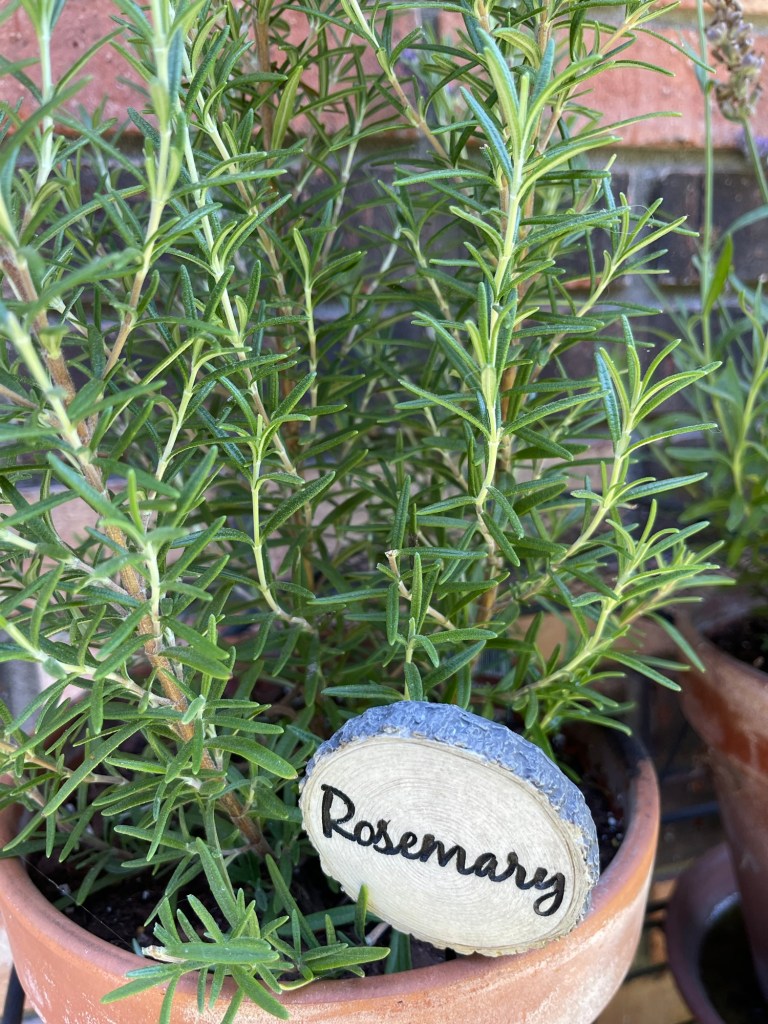
Potted rosemary
Rosemary and lavender in early spring.

Rosemary is an aromatic herb that is a versatile herb we use for a wide-variety of things from cooking to spray for linens. I also like to add a few sprigs of rosemary to my bath water. In the following link I give more useful information about this wonderful aromatic herb. My Top Ten Herbs (Part Six; Rosemary Recipes included)

Orange mint used for hot and cold teas

The orange mint I harvest today will be used for teas. This aromatic herb makes a delicious cold or hot tea. To dry the mint, I clean the cut leaves, pat dry with a towel, and allow to air dry until crispy. The dried leaves are then stored in a glass jar in the pantry. I always label and date the lid for quick identification and freshness. Dried herbs typically last two to three years in the pantry. Once the date has exhausted, I like to make a weak tea to water plants with and then compost the leaves. I think you’ll love this fresh tasting mint.

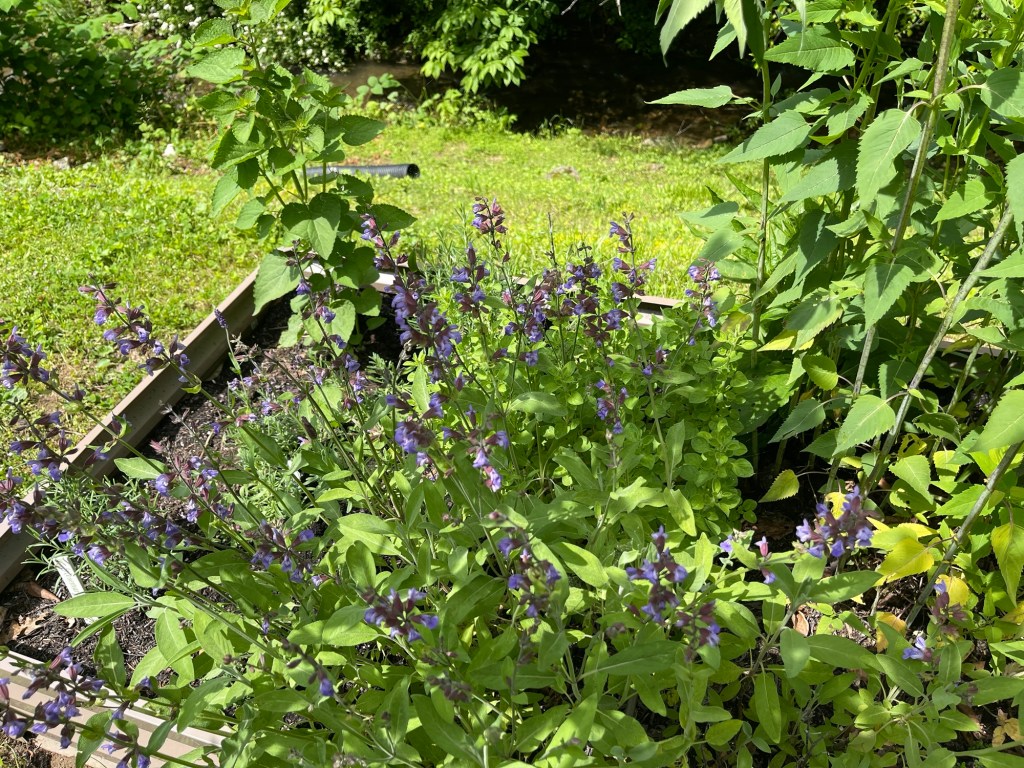
Sage is another favorite herb of ours.

The sage that is harvested today will be dried and added to my sage jar in the spice cabinet. Fresh dried sage is delicious and there is no comparison to store bought sage! Once you’ve tried fresh sage, you will not want to go back to the sage on the store shelves. Yes, it’s a more work, but well worth it!

Oregano is grown in large quantities

My Top Ten Herbs (part five-oregano) this link will take you to a post with some valuable and useful information and oregano recipes. The oregano harvested today will also be added to our spice cabinet.

Lemon thyme with a few onion chives sharing the photo

Lemon thyme is great in desserts, in meat marinade, and it makes an attractive addition to the herb garden. The bees love its blooms… almost as much as I do. The lemon balm that is harvested today will be added to our spice cabinet to use when baking lemon brownies, scones, and added to teas.

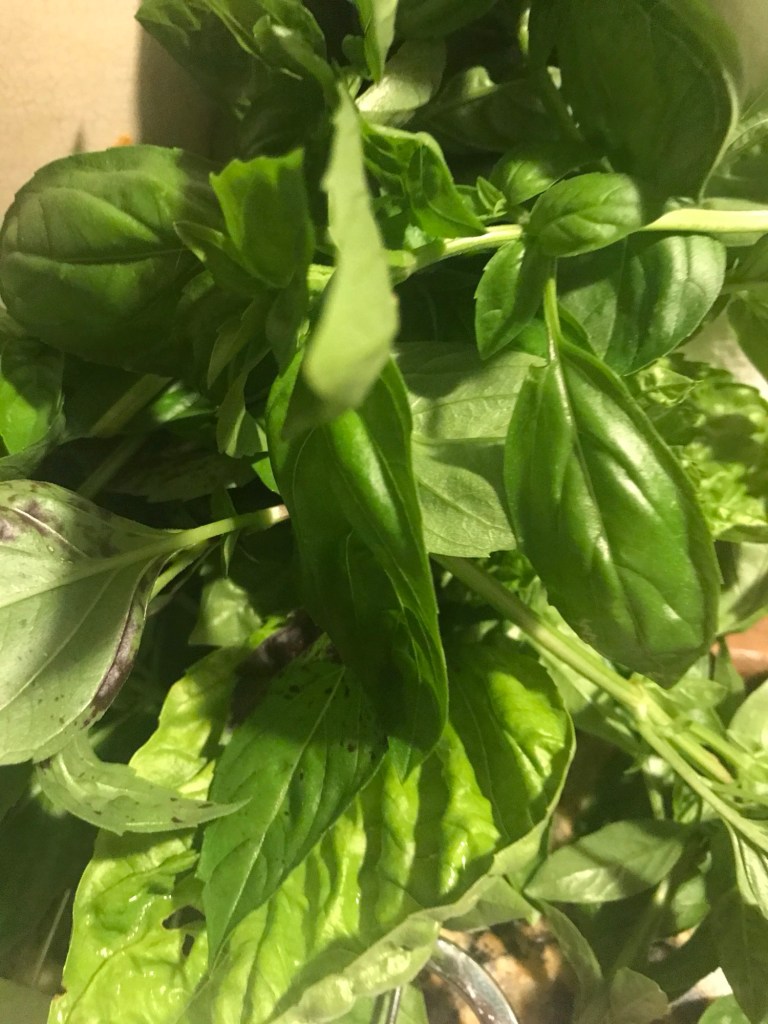
Potted basil! Basil is a favorite of all our family.

My Top Ten Herbs ( Part Two Basil) basil is one of our favorite herbs. I love to add it to salads, eggs, in spaghetti sauce, pizzas, and more. The link above provides a multitude of information on the herb, how to dry it, and a few recipes. The basil I harvest today will be dried and added to our jar of dried basil for spices. I may add a few fresh leaves in our omelets this morning!

Anise

This anise is loved by the pollinators! The hummers love it as well. It also makes an excellent tea!

Chive blooms amongst the mint.
More blooming sage in one of the beds.

The bees love the blooms of the anise herbs.

Echinacea in full bloom!
Yarrow blooms!

Yarrow is an herb that all farms need to grow. It produces beautiful flowers and is a beneficial medicinal plant. It’s quite tasty in salads as well. My Top Ten Favorite Herbs: (Part-Seven: Yarrow)
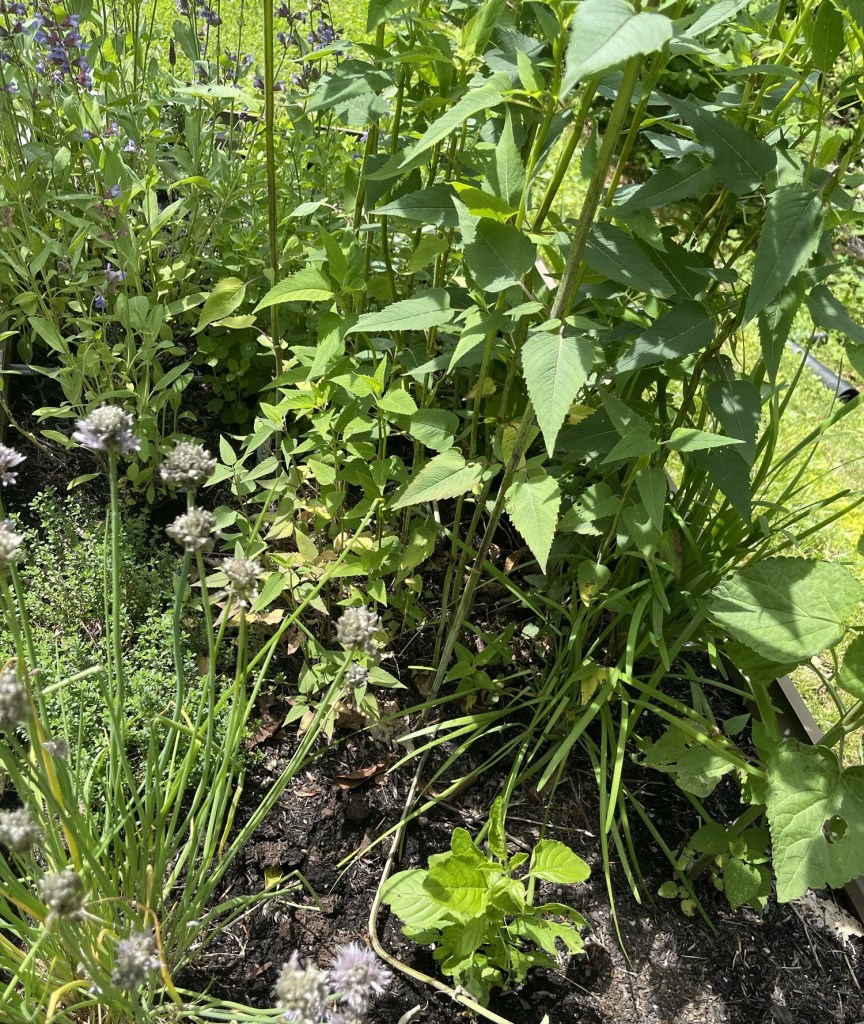
Chives, holy basil, garlic chives, anise and bee balm.
My favorite for tea!!! Chocolate mint!

This is a wonderful herb for teas both cold and hot, and great for baking. My Favorite Top Ten Herbs (Chocolate Mint part 3)

Georgia the garden goose.
Mint is a versatile and favored herb in our household.

My Favorite Top Ten Herbs (part one – mint) we love mint for teas, baking, and for candies.

More yarrow with a few sprigs of chocolate mint peeping through.
Young oregano plant amongst sage. They pair well together.
My favorite birdhouse that houses martins. Yarrow blooms are seen peeking out in the background.
Bee balm in full bloom. Bee balm makes a great first aid ointment.
Herbs cut from the walk this morning.

Other herbs that we grow that is not pictured in our walk include, tarragon, a couple of varieties of thyme, more basil, oregano, chamomile, mullein, and a few more varieties of mint. We also love to harvest from the wild around us.

I hope you’ve enjoyed our walk through the herb garden. The garden brings me joy, relaxation, a closeness to the earth, In upcoming days, I will take you on a walk through our vegetable garden. Feel free to comment, follow, or share. For now, God bless from our homestead in the mountains of Kentucky. Happy homesteading!

My Top Ten Herbs ( Part Two Basil)

Hello, from the mountains of Kentucky. It’s a beautiful day in the mountains today. The sky is clear, which I’m so thankful for. It’s been a very rainy May in our part of the world. Hard storms wreaked havoc on our mountains Sunday. Many are still without power, cable, telephone, and Internet. Ours was restored yesterday. One thing about loss of Internet… is it’s a great time to catch up on reading, writing, housework, and yard work. Today’s post is the second post of my top ten herbs. Keep in mind that these posts are not in any particular order. Check out my first post My Favorite Top Ten Herbs (part one – mint)

Pictured above is Italian basil

Basil is a must have for our pantry and spice cabinet. It is low maintenance, easy to grow, tastes great fresh, easy to dry for spices to use when cooking, fresh it adds wonderful flavor to dishes, makes great tortillas, makes great aioli, delicious pesto, it helps repel mosquitos, it tastes great in salads and so much more. Let’s get started!

Basil is a spicy herb that is commonly found in Italian dishes. It is actually a member of the mint family. It is a native plant of Africa and Asia. It loves plenty of sunshine, rich soil, moderate watering, and it loves to be pruned! It can tolerate some shade as well. Its wonderful taste can be identified in spaghetti sauces, pesto’s, on pizza, and in lasagna and many more delicious cuisines such as Italian tortillas. Vegan Italian Spinach Wraps. There are many types of basil. Believe it or not there are over one hundred types of basil. However, my two favorite types of basil are Genovese also known as, Italian basil it is often confused with common basil. The leaves of common basil is typically lighter than Italian basil. Another favorite of ours is lemon basil. I will address them in this post and might make a post about other types of basil at a later date.

Basil of all kinds is fairly easy to grow. It is an annual plant, which means it will need to be replanted each year if you live in a zone that has cold winters. In Kentucky, I plant basil each spring after the last frost. Don’t worry about expense. A good quality organic basil plant is only a couple of dollars. I typically purchase three to four plants per year, which is still more economical than buying fresh basil at the grocery store. One small packet of fresh basil, that may or may not be fresh, can cost nearly five dollars. I would prefer to have enough basil to enjoy fresh from spring until fall, and then harvest it for the winter.

I harvest and use it throughout the year and harvest the remaining plant before the hard frosts come to the mountains. Basil grows well in the ground, or in large pots. I prefer to plant mine in large pots within my herb garden. I also keep a pot of basil on my back porch for easy access for fresh basil. And again, it also helps deter mosquitos. Your basil will require good drainage, if you grow it in pots. I water my basil when the soil feels dry. I typically water daily when the temperatures are high. If the soil is damp, skip the watering. Over watering can be detrimental for basil. I like to add a looser potting mixture in the bottom of the pots. I enjoy caring for and growing orchids. So, I normally have an extra bag of the orchid potting mid on hand. It is a great addition to the bottom of the pot, and it helps the soil drain. I prefer to use a good quality organic potting soil for my potted herbs. If I’m going to eat them, I don’t want toxins from additives in the soil. Both lemon and Italian basil love and thrive in sunshine! I give my herbs an occasional spritz of Neem oil to prevent insects from building nests, primarily spiders, in the herbs. I also feed my herbs an occasional drink of weakened herb tea. The antioxidants are a great fertilizer. I do not add traditional fertilizer due to the additives in the fertilizer. Natural is always best!

Italian basil.
Close up of lemon basil.

Again, basil likes to be pruned. Trimming your basil on a regular basis allows the basil to become fuller and less leggy and promotes lots of new growth. I also keep the blooms pinched back on my basil to help promote growth and prevent a bitter taste in the herb. If you are not harvesting to eat, basil blooms a pretty white flower that is a nice addition to a flower garden. I harvest basil throughout the season by clipping stems of leaves to add to a glass of water, much like you would flowers, for fresh basil for cooking. I usually only do this if I do not want to harvest to dry but want to prune the basil. For dying, I prune the stems, rinse well, and pat dry, then pick the leaves from the stems, and allow them to air dry on cookie sheets that are lined with white or unbleached paper towels. If i want to dry the basil by hanging it, I prune the stems, rinse, pat dry, and tie small bunches of the herbs together and hang from a drying rack or hook in my kitchen. Either way that you choose to dry basil, the aroma will fill your house. Herbs can be dried in a dehydrator, the oven, or even in an air fryer. It’s quicker, but I find that it lowers the quality of taste. Air drying is my personal preference.

Basil typically takes at least two or three weeks to completely dry. Once the basil is dry, I add the whole dried leaves, which will be much smaller than fresh leaves, to a glass jar. I prefer amber jars, but clear will work. The jars are then added to a dark corner of my spice cabinet. I add the dried basil to dishes by using a mortar and pestle to grind it as I need it. I also grind some of the leaves into a finer powder using a coffee grinder. This method of storage eliminates a step in the cooking process, but still packs great flavor. The shelf life of fresh dried basil is one to two years. I usually have almost completely eliminated my dried basil from spring to spring, especially if I make many of the spinach Italian tortillas. See the link above.

A few clippings for cooking. I’ll add them to a glass of water after removing any damaged leaves.

Both Italian and lemon basil are great for pesto’s, aioli’s, makes a nice additions to salads, great on pizza, and delicious fried for a crispy bite of deliciousness for any Italian dish, or a salad topper. I also like to add fresh basil to omelets or tofu scrambles, spaghetti, and lasagna. I find that it adds an interesting taste to fresh baked bread, especially with the addition of garlic. Lemon basil is also a great addition to Asian dishes. I will try to add the recipe that is pictured below soon.

Vegetable stir fry with basil and garden veggies.

Basil not only helps deter mosquitoes and other unwanted pests on or near the porch, but it makes a great companion in the vegetable garden to help deter pests from tomatoes, and other plants. Crushing the leaves can also act as soothing compress for bee stings.

These are only a few ways that I use basil at our house. I could write a book on basil alone. I hope to include a post soon about the other types of basil that we use on frequent basis. The smell of fresh basil is intoxicating. I love to brush my hands over the basil and enjoy the vibrant invigorating aroma.

Feel free to leave a comment or question. Check back next in upcoming days for my third herb post. Also, feel free to subscribe or follow. For now, God bless from the mountains of Kentucky!